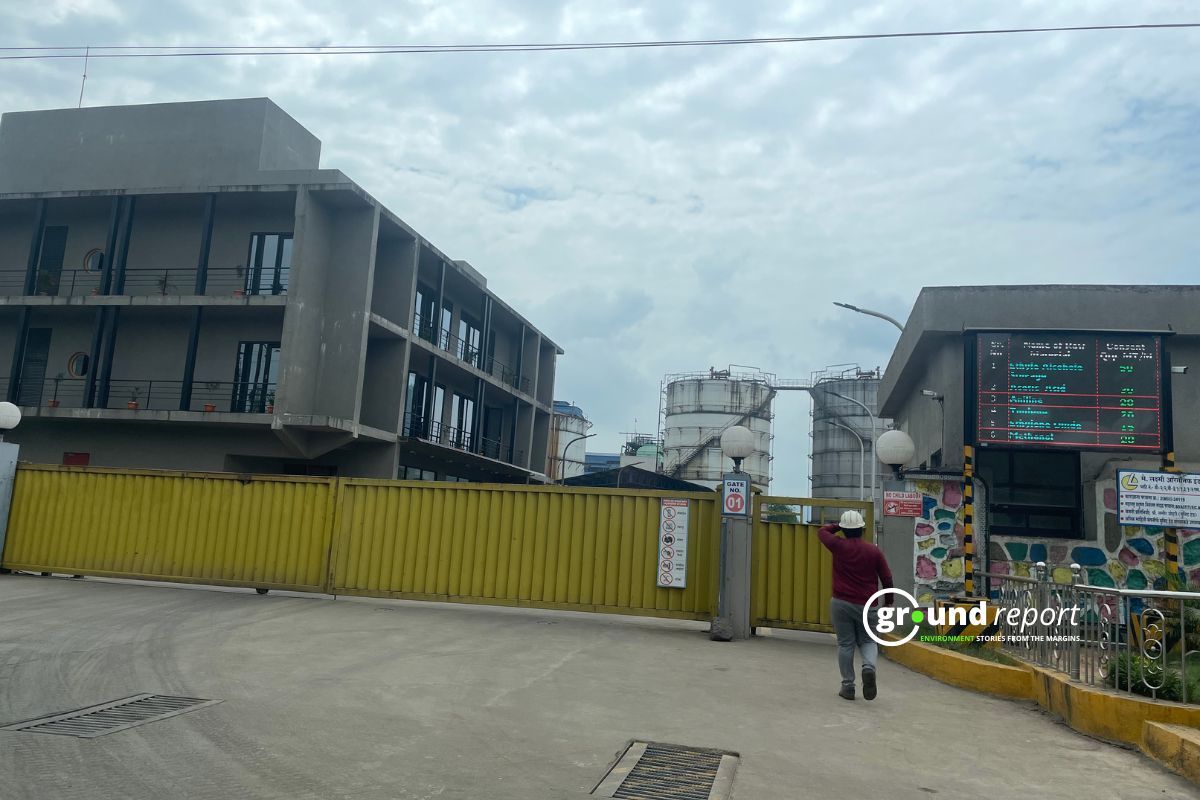
Nearly 24,000 industrial units across India were found violating environmental standards, prompting enforcement actions including 3,600 closure orders, the Lok Sabha was informed on February 9, 2026.
Kirti Vardhan Singh, Minister of State in the Ministry of Environment, Forest and Climate Change, provided these figures while responding to questions from Dr. Mohammad Jawed about industrial pollution during Parliament’s Budget Session.
Scale of Industrial Operations
India currently has 609,886 registered industries, of which 544,364 are operational. State Pollution Control Boards and Pollution Control Committees identified 23,981 non-compliant units among operating industries.
“Actions by SPCBs and PCCs included closure orders for 3,600 industries, show-cause notices for 13,718, legal cases in 229 instances, and 6,434 directives,” Singh stated in his written response. “These steps were taken to protect the environment from pollution.”
The Central Pollution Control Board monitors water quality at 4,922 locations nationwide, including 2,265 river sites. The board identifies polluted river stretches based on Biochemical Oxygen Demand levels exceeding 3 mg/l.
Polluted stretches are classified into Priority Class I through V, with Priority I representing the most severe pollution with BOD values above 30 mg/l. All state governments and union territory administrations have formed River Rejuvenation Committees to develop action plans for these identified stretches.
Enforcement Along Ganga Basin
Closure directions against Grossly Polluting Industries along the Ganga and its tributaries showed significant enforcement activity over five years. Bihar issued closures for 26 industries between 2019 and 2024, while Uttar Pradesh ordered 693 closures during the same period.
Uttarakhand’s enforcement increased dramatically from two closures in 2019 to 80 in 2024. West Bengal ordered 19 closures, and Jharkhand issued one closure during this period.
Nationwide, 4,498 industries are classified as Grossly Polluting Industries. Among 3,637 operational GPIs, 601 were found non-compliant. Enforcement actions included 29 closure directions, 571 show-cause notices, and one directive.
Legal Framework for Water Protection
The Water (Prevention and Control of Pollution) Act, 1974, and the Environment (Protection) Act, 1986, provide the legal foundation for pollution control. These laws mandate that industrial units comply with stipulated standards before discharging effluents into rivers and water bodies.
The Environment (Protection) Rules, 1986, establish general discharge standards and industry-specific effluent standards. Penalties for violations are prescribed under Chapter VII of the Water Act and Chapter III of the Environment Act.
River Rejuvenation Committees operate under Principal Secretary Environment supervision at state level, while a Central Monitoring Committee chaired by the Secretary of Ministry of Jal Shakti reviews progress centrally.
Support Us To Sustain Independent Environmental Journalism In India.
Keep Reading
Highway Halt Puts Kashmir’s Fruit Economy at Risk
Railway line expansion plan put Kashmir’s apple orchards at risk
Warmer winters in Kashmir raise concerns over apple and crop yields