Delhi is heading into an unusually warm spell, with daytime temperatures expected to reach 34°C by March 4 — the day the city celebrates Holi. The India Meteorological Department (IMD) says maximum temperatures will remain 4 to 5 degrees Celsius above normal over the coming days, with no rainfall in sight.
Where the Heat Is Coming From
February has been persistently warm and dry across the capital. The maximum temperature exceeded normal levels on all but two days this month — February 2 and 18. On February 16, Delhi recorded 31.6°C, making it the earliest in four years that temperatures crossed the 30°C mark.
IMD data from 2010 to 2025 shows temperatures have breached 33°C only twice in February — 33.6°C on February 21, 2023, and 33.2°C on February 26, 2021. The all-time February record stands at 34.1°C, set on February 26, 2006.
Why Rain Will Not Help
A western disturbance is expected to move through the region from March 2, but meteorologists say it will not bring relief to Delhi.
“The western disturbance will mainly impact the western Himalayan region. The plains are unlikely to witness any significant change in weather conditions,” an IMD official said.
Meteorologist Mahesh Palawat confirmed the outlook. “Winds will briefly weaken, allowing the maximum to climb to around 33°C by Holi. This will still be about 5°C above normal,” he said.
The long-period average maximum temperature for March 2 to 6 is 27.4°C. Forecasts now put that figure at least 5 degrees higher.
Who Is Affected
Delhi residents woke to a misty, warm morning on Friday as night temperatures also began climbing. Minimum temperatures are expected to rise gradually, settling between 15°C and 17°C by Holi.
Air Quality Offers Brief Relief
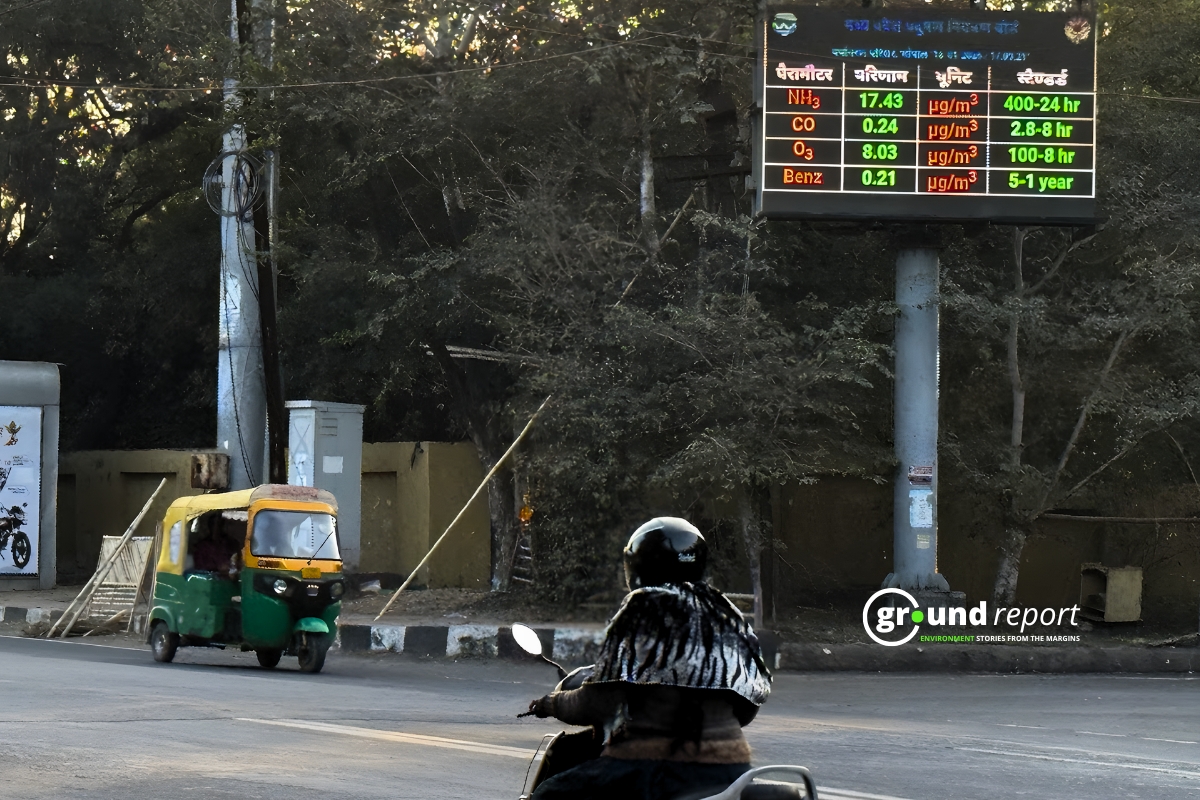
After 12 consecutive days of poor air quality, Delhi’s Air Quality Index dropped to 186 on Friday morning, placing the city in the moderate category. However, the Centre’s Air Quality Early Warning System warns that AQI levels could slip back into the poor range from Friday and persist through the weekend.
Anand Vihar recorded the worst air quality in the city at an AQI of 284, while Sri Aurobindo Marg recorded the cleanest at 120.
Support Us To Sustain Independent Environmental Journalism In India.
Keep Reading
Highway Halt Puts Kashmir’s Fruit Economy at Risk
Railway line expansion plan put Kashmir’s apple orchards at risk
Warmer winters in Kashmir raise concerns over apple and crop yields