The world needs more clean power. Fossil fuels still supply about 80% of global energy, but they are heating the planet and driving climate change. The International Energy Agency projects global energy demand will rise by 25% by 2040. That means new solutions are urgent.
Offshore wind and tidal energy stand out. The ocean is powerful and constant. Strong winds and steady tides provide a source of renewable power that is close to major cities and coasts. If used well, this could be a cornerstone of the clean energy transition.
Offshore Wind Power
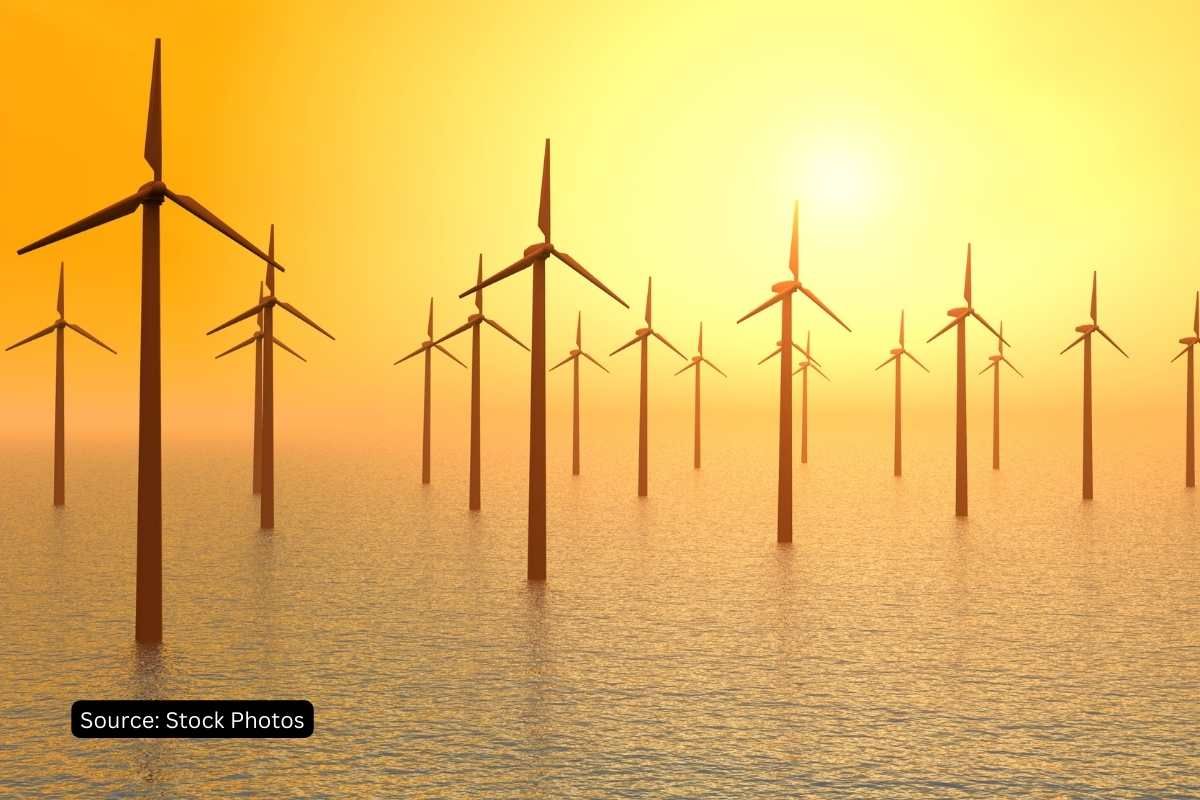
Offshore wind is already proving itself. Europe leads the way. The United Kingdom now gets about 15% of its electricity from offshore wind farms. China has expanded even faster, building more capacity in 2023 than the rest of the world combined.
These turbines are massive. The newest designs are taller than the Eiffel Tower. Each one can power thousands of homes. Engineers keep pushing limits on size and efficiency.
Offshore turbines also take advantage of stronger and more consistent winds over the sea. This means they produce more power than onshore systems. But storms, waves, and saltwater create tough engineering challenges. As one engineer put it during a project off the coast of Denmark, “The sea is the best partner and the worst enemy at the same time.”
Tidal Energy
Tides are different from wind. They rise and fall twice a day like clockwork. This predictability is tidal energy’s biggest advantage.
Scotland is home to one of the world’s largest tidal farms. It uses underwater turbines that resemble windmills placed on the seabed. These spin with the movement of water. Unlike wind or solar, tides can be forecast with near-perfect accuracy.
The challenge is durability. Underwater turbines face high pressure, heavy currents, and saltwater corrosion. Building and maintaining them is expensive. A test project in Nova Scotia saw equipment damaged by ice and strong tides. The failures provided lessons for better designs but also highlighted how costly mistakes can be.
Combining Wind and Tides
The real power may come from combining systems. Offshore wind farms can supply strong output when winds are steady. Tidal systems provide backup during calm conditions. Together they can balance the grid more reliably.
Hybrid projects are being tested in Europe. The idea is to use the same offshore area for both turbines and tidal systems. This reduces infrastructure costs and maximizes energy output from one location.
Obstacles to Growth
High Costs
Offshore projects are more expensive than land-based ones. Foundations, subsea cables, and specialized ships drive up costs. While prices for offshore wind have dropped by almost 60% since 2010, tidal energy is still at an early stage and remains expensive.
Environmental Impact
Any project in the ocean has ecological risks. Offshore wind farms can disrupt bird flight paths. Tidal turbines can affect fish and marine mammals. Careful design and monitoring are needed to limit harm. In some pilot projects, sensors track fish behavior around turbines, but long-term impacts are still being studied.
Community Concerns
Coastal communities often worry about changes to their environment. Fishermen fear losing access to waters. Residents complain about turbines spoiling the view of the horizon. Without open conversations, resistance can slow projects.
Infrastructure Challenges
Energy must be moved from sea to land. Subsea cables are costly and difficult to repair. Some regions lack the grid infrastructure needed to handle large offshore power inputs.
Opportunities on the Horizon
Despite these challenges, the potential is enormous. The World Bank estimates that offshore wind alone could supply 18 times the world’s current electricity demand.
Tidal and wave projects, once scaled, could provide steady baseload power. This would balance intermittent solar and wind. Offshore projects also create jobs. Building turbines, laying cables, and maintaining equipment requires skilled workers. Coastal communities can benefit if projects are managed fairly.
Mark Andrew Kozlowski, a marine technology entrepreneur, described one test in Nova Scotia. “We strapped sensors on turbines during a winter storm,” Mark recalled. “Half of them failed in the ice. But the ones that survived gave us breakthrough data on how to design tougher gear. It was expensive, but we learned more from that failure than from any calm-weather test.”
Actionable Steps
Governments
- Provide subsidies for early tidal projects to bring costs down.
- Build stronger grid infrastructure to handle offshore inputs.
- Enforce strict monitoring of ecological impacts and share results publicly.
Businesses
- Invest in hybrid projects that combine wind and tidal.
- Develop smarter sensors and self-repairing materials for long-term use.
- Partner with fishing groups and coastal communities to avoid conflicts.
Communities
- Engage in public hearings and push for fair local hiring.
- Explore community-owned offshore projects to keep profits local.
- Support shoreline restoration to complement offshore efforts.
Consumers
- Choose energy providers that invest in offshore renewables.
- Learn where electricity comes from and advocate for cleaner sources.
- Support policies that make offshore projects easier to build responsibly.
The Future Outlook
Offshore wind is scaling quickly. Tidal energy is advancing more slowly, but it holds steady promise. Combining them could unlock new levels of reliability in clean power.
The ocean is not an easy environment for machines. Saltwater corrodes, storms destroy, and ice crushes. But each setback teaches new lessons. The failures of early projects are shaping the breakthroughs of tomorrow.
As one engineer said during a test in the North Sea, “If a turbine can survive out here, it can survive anywhere.” That resilience will define the future of offshore energy.
The sea is powerful, relentless, and unpredictable. Harnessing that power will never be simple. But the payoff—clean, steady energy for millions—makes it worth the effort.
Disclaimer: This content is sponsored and does not reflect the views or opinions of Ground Report. No journalist is involved in creating sponsored material and it does not imply any endorsement by the editorial team. Ground Report Digital LLP. takes no responsibility for the content that appears in sponsored articles and the consequences thereof, directly, indirectly or in any manner. Viewer discretion is advised.
Keep Reading
Highway Halt Puts Kashmir’s Fruit Economy at Risk
MP brings back Bhavantar as farmers lose soybean harvests
Follow Ground Report on X, Instagram and Facebook for environmental and underreported stories from the margins. Give us feedback on our email id greport2018@gmail.com.
Don’t forget to Subscribe to our weekly newsletter, Join our community on WhatsApp, Follow our Youtube Channel for video stories.