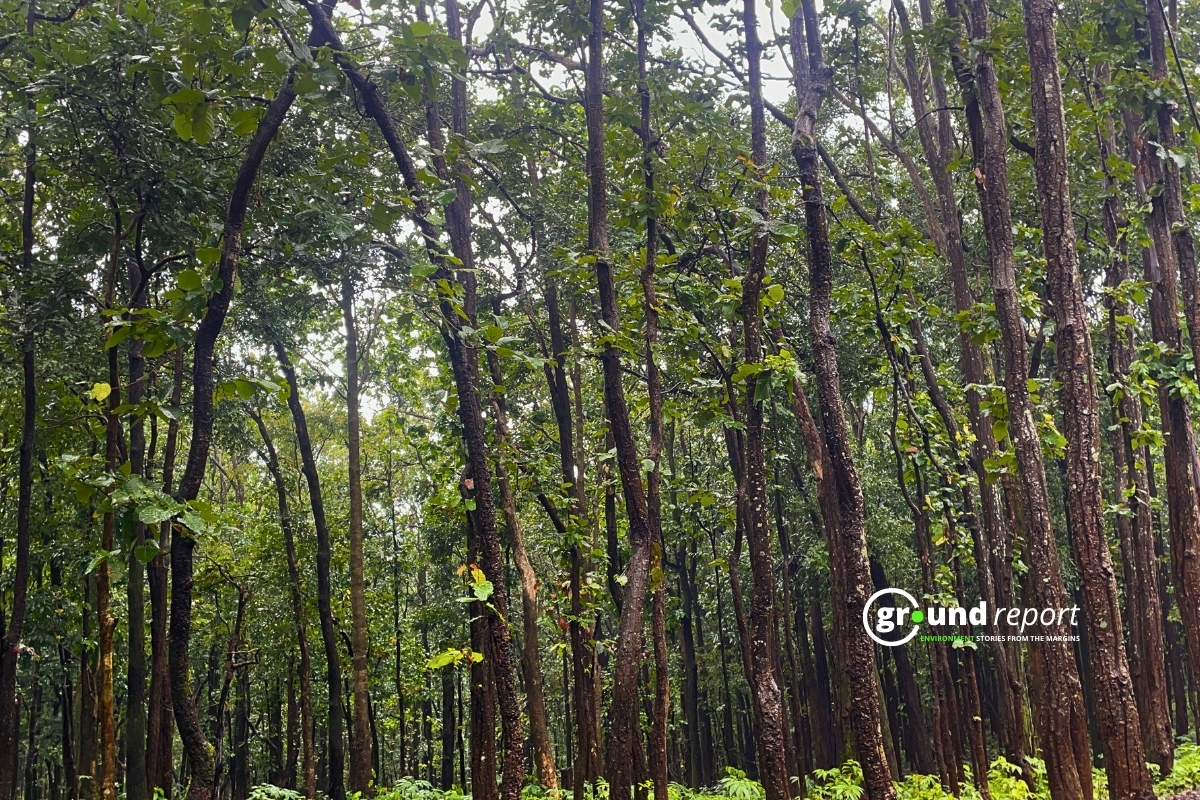
Every morning at 8 AM, a group of people climb the hills of Jhiri village in Raisen district. They carry no government orders and receive no pay. By noon, they come back down, leaving behind small stone dams on the hillside. They came from Bhopal, Vidisha, and Indore, entirely at their own expense.
This is where the Betwa River begins its journey. Starting at about 470 meters above sea level in the Vindhya region, the Betwa flows roughly 590 kilometers before merging with the Yamuna near Hamirpur. But in recent years, the river has been slowly dying at its very source. For the second year in a row, the spring at Jhiri, known as Gomukh, ran completely dry. The Madhya Pradesh Pollution Control Board has noted that the river now breaks into scattered pools in its upper stretches.
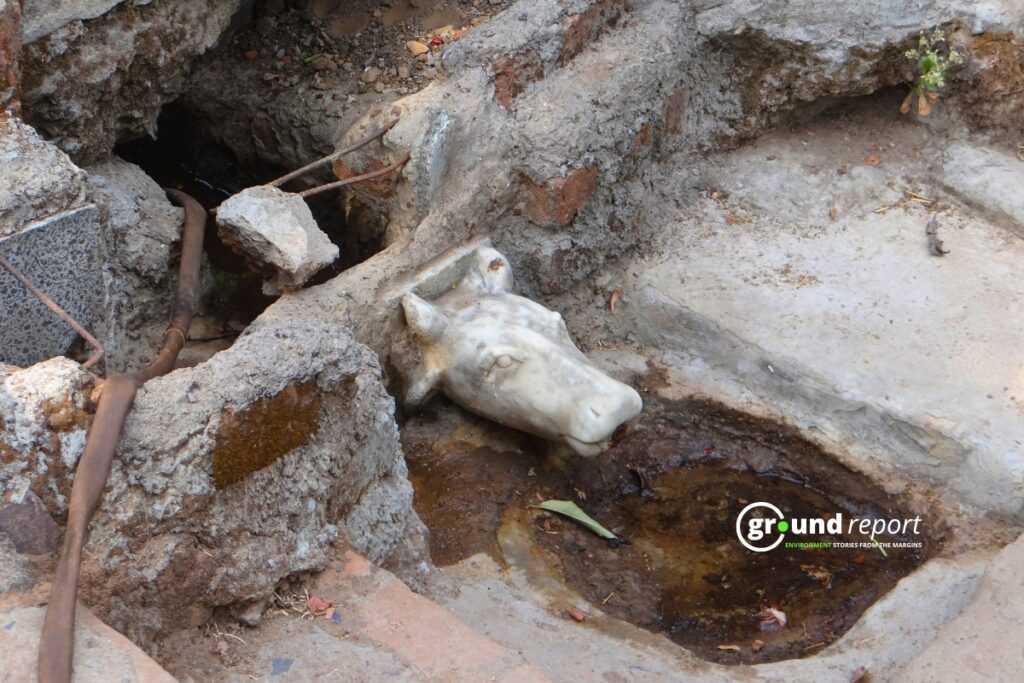
A year ago, the Forest Department sent an ₹11 crore proposal to the government to protect this area. It hasn’t been approved yet. So these volunteers decided not to wait.
Stone Dams, Big Impact
This week-long volunteer effort began on May 10, bringing together scientists, retired officials, social workers, and local villagers. By day five, they had built 30 new stone check dams and repaired 55 built last year. On one particularly hot afternoon, just a dozen people built 22 dams in a single day.
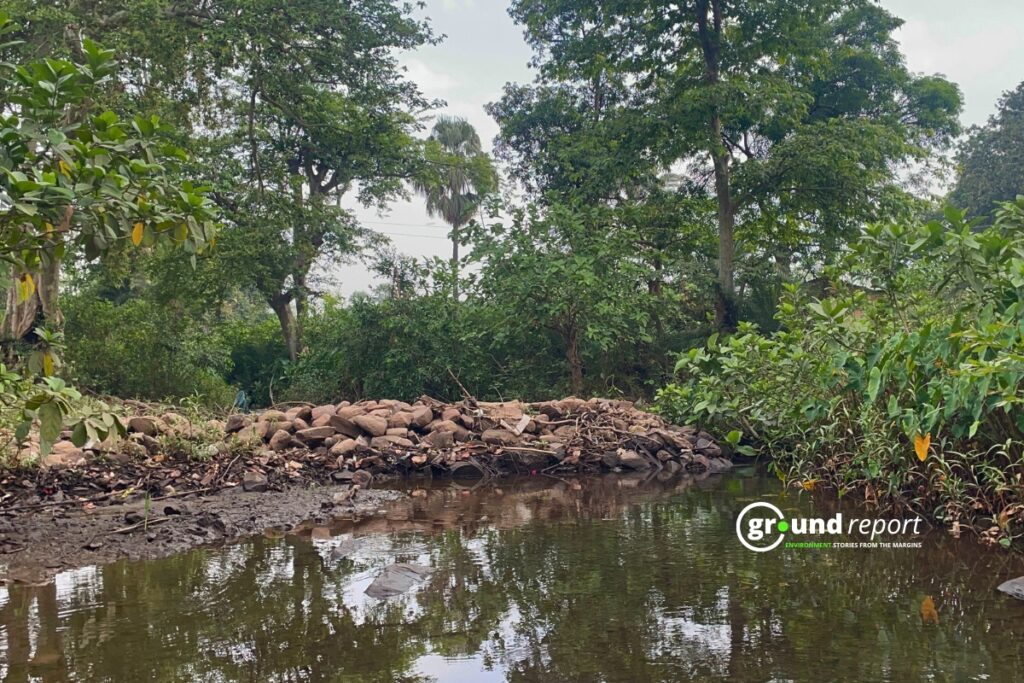
Volunteer Vinay Pateria explains the logic simply: “When it rains, water rushes downhill and disappears. These small stone dams slow it down. The water seeps into the ground, becomes groundwater, and that groundwater keeps the river alive.”
A Hidden Spring Rediscovered
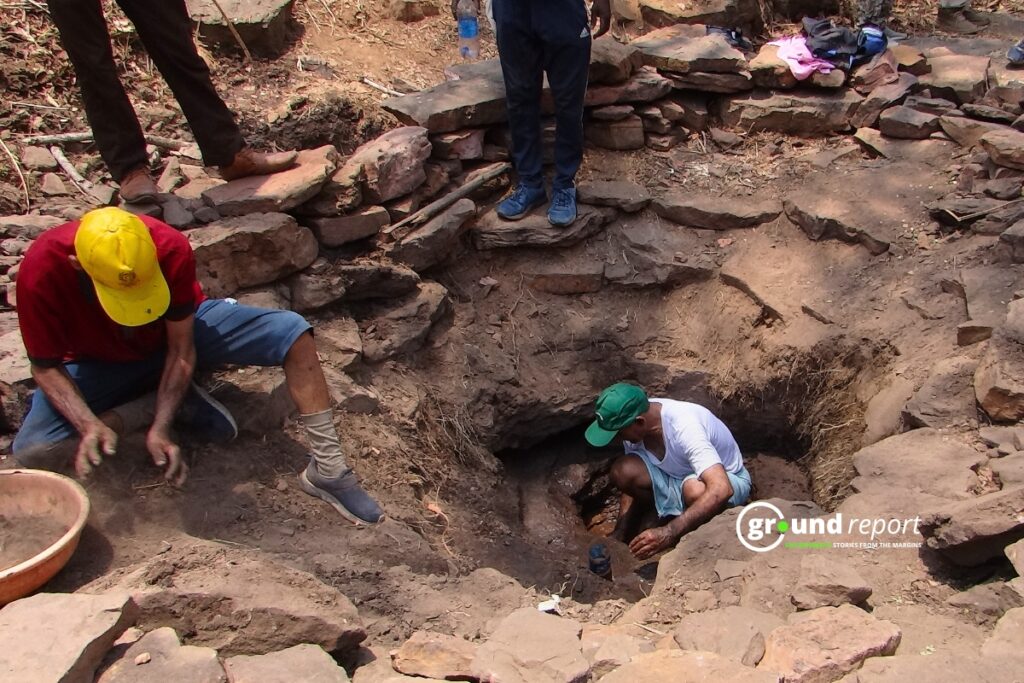
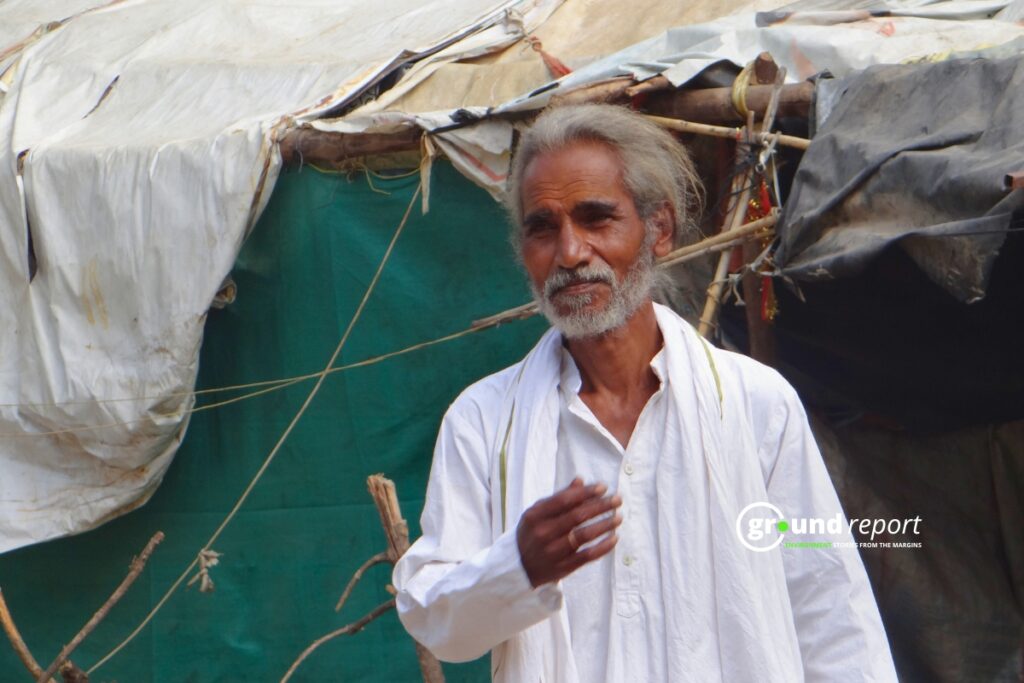
On day four, a local priest named Gopal Das led the group to an ancient natural spring near the hilltop. He remembered water being there long ago. As volunteers cleared away mud and rocks, water began seeping out. Within moments, the basin filled up. They named it Parvati Kund. The next morning, it held over a foot of water, and local animals had already found it.
Dr. Kapil Khare, Chief Scientist (Water Resources) at the MP Council of Science and Technology, with over 30 years of experience, says this spring is proof that groundwater still exists beneath the hill. The water that seeps through the check dams will slowly recharge those underground reserves and that is what truly sustains the Betwa.
Why This Matters
Unlike Himalayan rivers fed by glaciers, peninsular rivers like the Betwa depend entirely on rainfall and groundwater, as scientist Sunil Chaturvedi points out. That makes protecting the source area absolutely critical.
The campaign, held inside the newly declared Ratapani Tiger Reserve, India’s 57th, ran until May 16. In the final two days, volunteers from Varanasi and Jaunpur also joined in.
Dr. R.K. Paliwal, who coordinated the effort, says the goal goes beyond this year: “This work must happen every year before the monsoon, so that groundwater at the source slowly recovers.”
Gopal Das, moved to tears, compared the volunteers to the mythical Bhagirath who brought the Ganga to earth. For him, seeing water return to a spring that had been dry for years felt like a miracle earned through devotion.
Support Us To Sustain Independent Environmental Journalism In India.
More Video Reports
India’s 24/7 Water Village ‘Kundibe’ Ran Dry in Just 5 Months
Risking Lives on Boats After Mohanpura Dam Submerges Their Only Road
Stay Connected With Ground Report For Underreported Environmental Stories.
Author
Support Ground Report to keep independent environmental journalism alive in India
We believe climate change should be the basis of current discourse, and our stories attempt to reflect the same.
Connect With Us
Send your feedback at greport2018@gmail.com
Newsletter
Subscribe our weekly free newsletter on Substack to get tailored content directly to your inbox.
When you pay, you ensure that we are able to produce on-ground underreported environmental stories and keep them free-to-read for those who can’t pay. In exchange, you get exclusive benefits.
Your support amplifies voices too often overlooked, thank you for being part of the movement.