Dengue has infected 27,754 people and killed 14 across Sri Lanka in the first four months of 2026, with cases confirmed in all 25 districts, the National Dengue Control Unit said Tuesday.
The numbers already exceed those recorded in the same period in 2025. Officials are watching the skies.
Monsoon Rains Raise the Risk
“The start of monsoon rains could further increase transmission,” said Priscilla Samaraweera, Community Medical Specialist at the National Dengue Control Unit, speaking at a media briefing at the health ministry in Colombo.
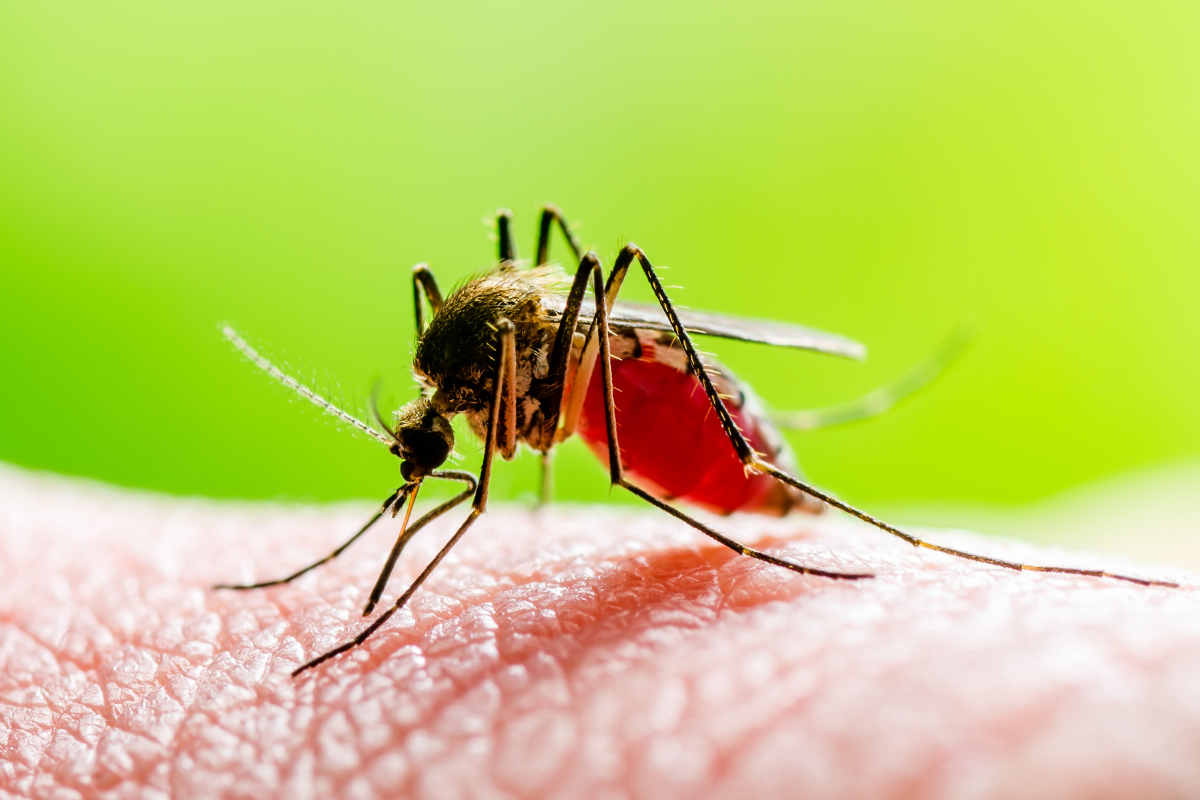
Standing water created by seasonal rains provides breeding grounds for the Aedes mosquito, which carries the virus. Officials say breeding has increased sharply in schools, workplaces, religious institutions, and government and private buildings — not primarily in homes.
Improper waste disposal is driving much of the spread, officials said, and they called for stricter public cooperation in prevention efforts.
The Western Province has recorded the highest number of infections. Matara, Galle, Ratnapura, Kalutara, and Kandy have also reported significant case numbers during the same period.
The geographic spread — covering every district in the country — signals that no part of Sri Lanka has been spared.
What Dengue Does to the Body
Dengue is a viral infection transmitted by mosquitoes and is most common in tropical and subtropical climates. Most people who contract it recover within one to two weeks. Symptoms include high fever, severe headache, muscle pain, nausea, and rash.
A smaller proportion develop severe dengue, which can be fatal. People infected for a second time face a significantly higher risk of severe disease. Warning signs — which often appear after the fever breaks — include severe abdominal pain, persistent vomiting, rapid breathing, and bleeding gums or nose.
There is no specific antiviral treatment. Doctors manage the disease through pain relief, hydration, and monitoring.
Officials advised the public to seek medical attention immediately if fever is accompanied by at least two symptoms such as muscle pain, headache, vomiting, nausea, or skin rash.
Sri Lanka’s outbreak sits within a wider global surge. The World Health Organisation recorded more than 14.6 million dengue cases worldwide in 2024 — the highest ever in a single year — along with more than 12,000 deaths. The disease is now endemic in more than 100 countries across all continents.
Cases reported to WHO have grown from just over 500,000 in 2000 to 14.6 million last year. Actual numbers are likely far higher, as most mild and asymptomatic cases go unreported.
The monsoon has arrived. Sri Lanka’s health system is bracing.
Support Us To Sustain Independent Environmental Journalism In India.
Keep Reading
How Solar Solutions Are Helping Protect Crops from Wild Animals
Pench Tiger Reserve: How a Man Survived a Tiger Attack