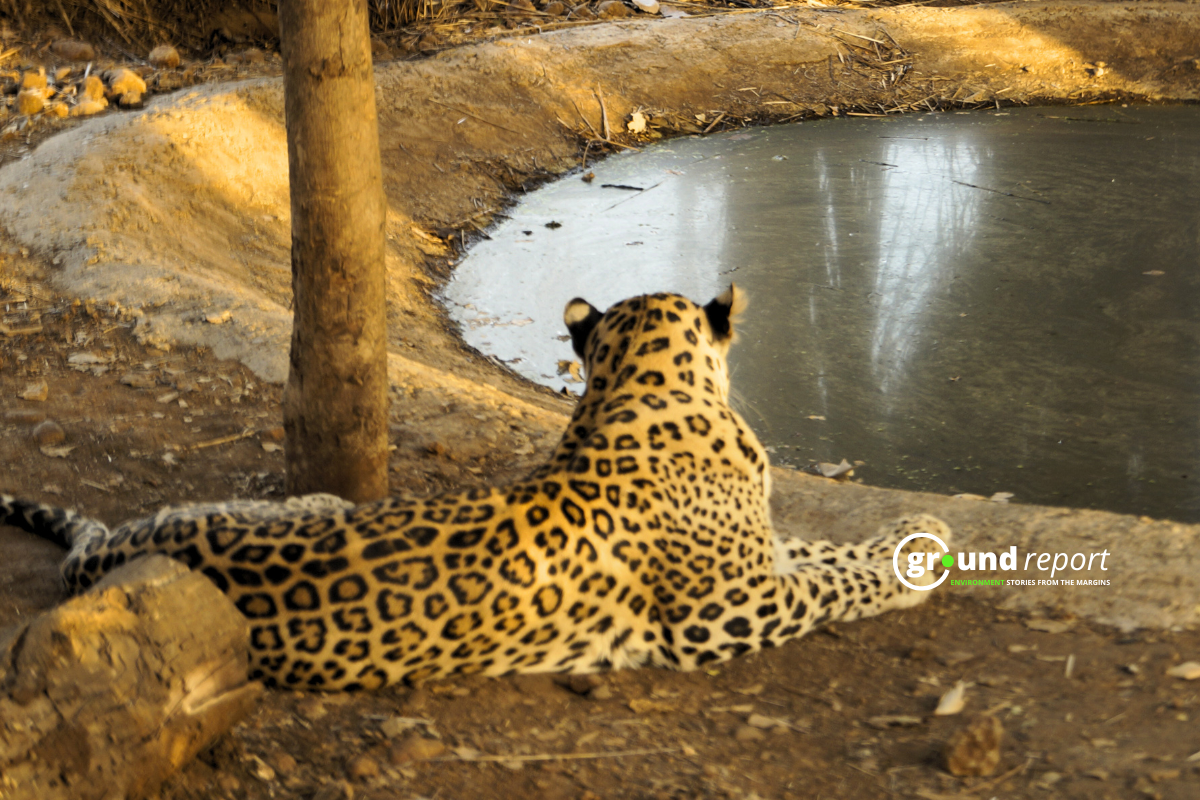
T-141, a tigress nicknamed “Super Mom,” was eight years old and raising four cubs in Kanha Tiger Reserve. Between April 21 and April 25, four of her cubs died in quick succession in Kanha’s Sarhi zone. Forest teams rescued the tigress and her last surviving cub.
They were moved to the Mukki quarantine facility. But both died within days.
A PCR test confirmed the cause: the canine distemper virus, a pathogen most people associate with domestic dogs. And, including the tigress, the virus had killed five tigers.
Madhya Pradesh is touted as the tiger state, with nine tiger reserves and the largest tiger population in India, with 785.
In 2025, India recorded 166 tiger deaths, and Madhya Pradesh had the highest fatalities. And, by May 2026, the total tiger deaths in Madhya Pradesh are 30, which some wildlife activists believe is a cause for concern. Add to that the concerns of the CDV virus.
For now, the forest officials have launched an emergency drive to vaccinate at least 1,000 dogs in villages surrounding Kanha, considering that the virus has no cure and only preventive measures can stop the spread.
What Happened in Kanha
When the first two cubs were found dead, Chief Wildlife Warden Samita Rajora directed her team to search for the mother and surviving cubs immediately.
“We were worried about what could have caused their death because two cubs of the same litter were gone,” Rajora, who also serves as principal chief conservator of forests (wildlife) in Madhya Pradesh, told Ground Report.
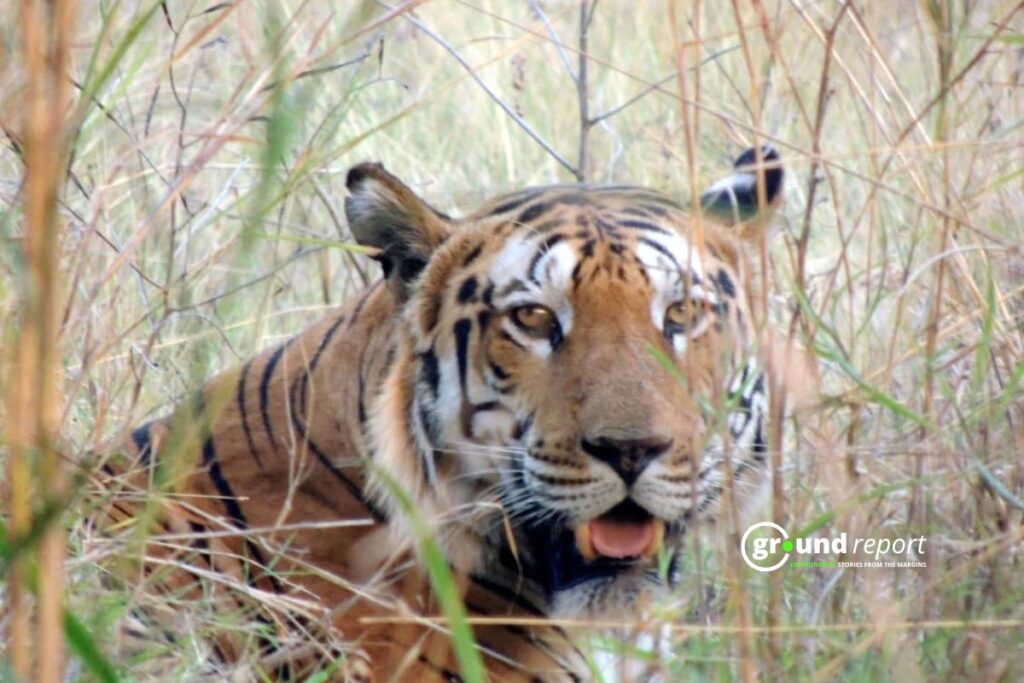
The third cub died before rescuers reached it. Forest officials believe T-141 contracted the virus after returning to a kill that a stray dog had also fed on. The dog’s saliva on the carcass infected her. Her cubs contracted it from her.
“The female [also] seemed sick… not hunting, because of which she isn’t eating enough.”
After the rescue, forest teams sanitized the area where the tigress and cub were found. Officials deployed 40 camera traps to monitor other carnivores across the zone.
Retired Additional Principal Chief Conservator of Forests R. Sreenivasa Murthy said, “This particular virus is very serious,” Murthy said. “Nobody can say when it will reach epidemic proportions or when it will not. A tiger in Panna died from canine distemper, and we have confirmed reports of that.”
What Is Canine Distemper Virus?
Canine distemper virus, or CDV, is a highly contagious pathogen that attacks the respiratory, gastrointestinal, and nervous systems of carnivores. It spreads through respiratory droplets, saliva, and close contact.
CDV moves through three distinct stages. In the initial phase, the virus targets immune cells. The animal may show only a brief fever. From the outside, it appears healthy. But its immune system is already collapsing. With no outward signs of infection, detection of any potential becomes difficult.
The second stage brings visible symptoms: coughing, diarrhea, loss of appetite, and discharge from the eyes and nose. The virus has spread through the bloodstream and begun attacking the respiratory and gastrointestinal tissues.
The third stage is nearly always fatal. The virus crosses into the central nervous system.
Ajay Dubey, a Bhopal-based wildlife activist, described it as “the animal losing memory… its natural behavior changes completely. Digestion is affected. It cannot hunt.”

He added, “And once infected, there is no cure. The only option is to isolate the animal and block the area for others, because even saliva or a shared water source can spread the infection.”
“This disease is present in India’s wild population,” Murthy said. It exists in wild dogs, jackals, hyenas, and other carnivores. Similarly, it can exist among all big cats, including tigers. Once it appears in one wild animal, it is difficult to say that others are completely safe.”
Infected tigers are not found until they have already died. “In reserves like Kanha, where tigers share overlapping territories, one infected animal can expose its cubs and nearby carnivores before rangers detect a single case,” Murthy said.
Prevention Is the Only Answer
India’s 2022 tiger census recorded 3,682 wild tigers, nearly 70 percent of the global wild tiger population. That recovery, built over five decades, now faces a threat.
In February this year, CDV combined with Mycoplasma infection killed 72 tigers at Thailand’s Tiger Kingdom facilities in just eleven days. In Russia, it has caused tiger deaths since 2003. Similarly in India, 34 Asiatic lions died at Gir National Park in Gujarat in 2018.
“In Gujarat during 2018, vaccines were brought from America, and lions were vaccinated,” Murthy said. “But lions live in prides and are more accustomed to humans, so vaccinating them is easier. Vaccinating wild tigers is a really tough task. Not every individual tiger can be vaccinated.”
The National Tiger Conservation Authority mandates year-round vaccination of domestic cattle and dogs around all tiger reserves. Its guidelines recommend vaccinating 70 to 80 percent of the local animal population, enough coverage to stop the virus before it reaches the forest edge.
Murthy said vaccination work follows a fixed seasonal pattern. “This is a very specific task. Not just CDV, there are other transmissible diseases like foot and mouth disease in cattle and other bacterial diseases. Vaccination work for cattle and dogs usually starts around March or April every year, before the season begins.”
Deputy director Prakesh Kumar Verma told Ground Report, “Forest workers have set a target of vaccinating at least 1000 dogs in villages surrounding Kanha tiger’s buffer and core zones. More than 400 dogs were vaccinated in the first five days in villages including Sarhi, Khatiya, and Khapa.”
“All tiger reserves are on high alert, not just in Madhya Pradesh but across India,” Dubey said. “It will take two to three months. If no new cases emerge in that period, then we can be somewhat satisfied.”
The deaths of tigress T-141 and her four cubs inside Kanha Tiger Reserve have exposed a growing threat that India’s tiger reserves may no longer ignore. A virus commonly linked to stray dogs has now entered one of the country’s most protected wildlife habitats, killing five tigers within days.
India now holds nearly 70 percent of the world’s wild tiger population. That recovery came after decades of conservation work. The Kanha outbreak shows how quickly disease can threaten those gains if buffer zone management, vaccination coverage, and wildlife health monitoring remain weak.
For conservationists, the message is clear: protecting tigers no longer means guarding forests alone. It also means controlling diseases at the forest edge before they enter the wild.
Support Us To Sustain Independent Environmental Journalism In India.
Keep Reading
How Solar Solutions Are Helping Protect Crops from Wild Animals
Pench Tiger Reserve: How a Man Survived a Tiger Attack