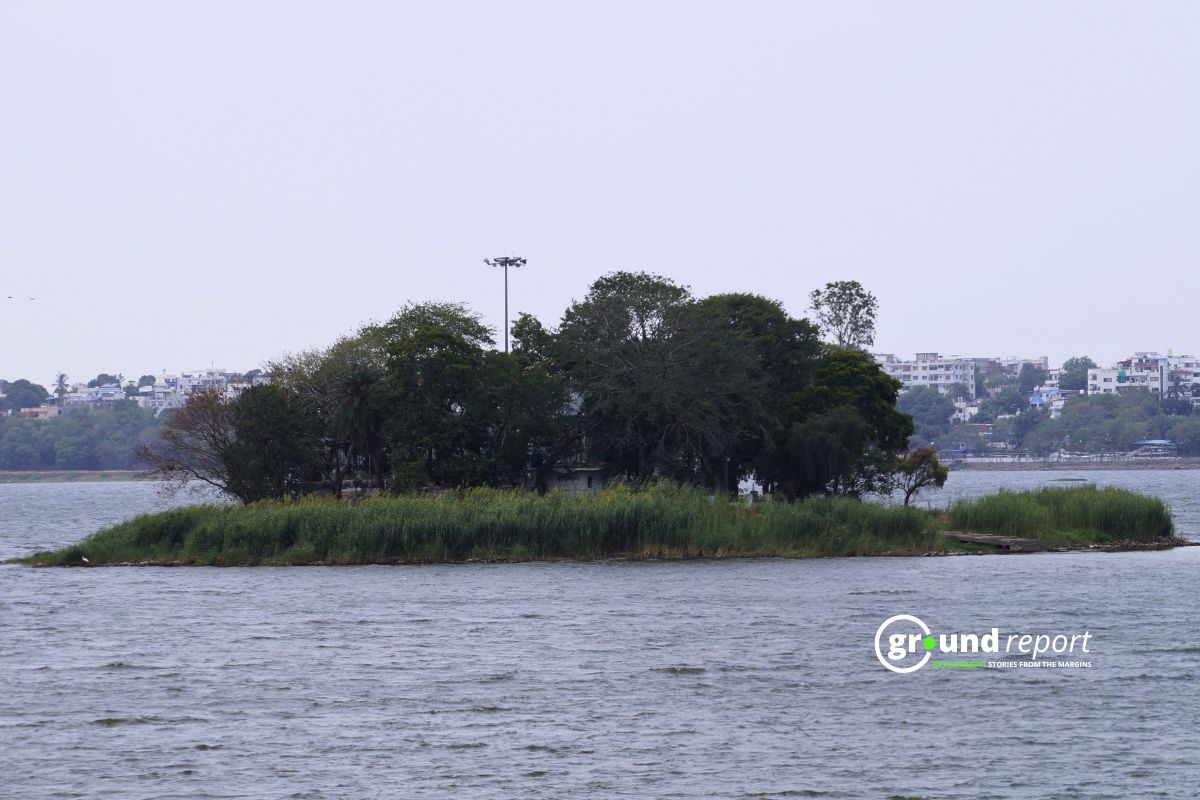
हिंदी में पढ़ें। In the Narmadapuram district of Madhya Pradesh, Pachmarhi hill station lies within the Pachmarhi Biosphere Reserve, which includes Satpura Sanctuary, Bori Sanctuary, and Satpura National Park. The town and its surrounding tourist sites are within the protected landscape collectively known as the Satpura Tiger Reserve.
Tourism is central to Pachmarhi’s identity. Hotels and resorts are in constant demand. But its location within a protected forest landscape has meant strict environmental safeguards. Only eco-tourism activities have traditionally been permitted here, while large concrete structures and luxury hotels have largely been restricted.
That balance shifted on January 27, 2026, when the Madhya Pradesh cabinet approved a decision to remove 395.939 hectares of Pachmarhi town from the sanctuary boundary.
According to a report published on the Madhya Pradesh Public Relations Department website, the cabinet approved the removal of government-controlled nazul land under the Special Area Development Authority (SADA) from the Pachmarhi Wildlife Sanctuary and its declaration as revenue land.
Nazul land refers to government-owned property that is typically leased to individuals or institutions but cannot be permanently sold.
With the decision, this land will come under the revenue department. Officials say the move will benefit around 1,200 local families, who will now be able to repair and rebuild houses as G+3 (four-storey) structures. The state government will also be able to undertake development work across the 395-hectare area.
The government has described the decision as the beginning of a new phase of development. Environmental activists, however, see it as a death warrant for Pachmarhi’s fragile ecosystem. They argue that relief for residents is merely a pretext, and that the real objective is to open the forested hill town to influential developers and large hotel businesses.
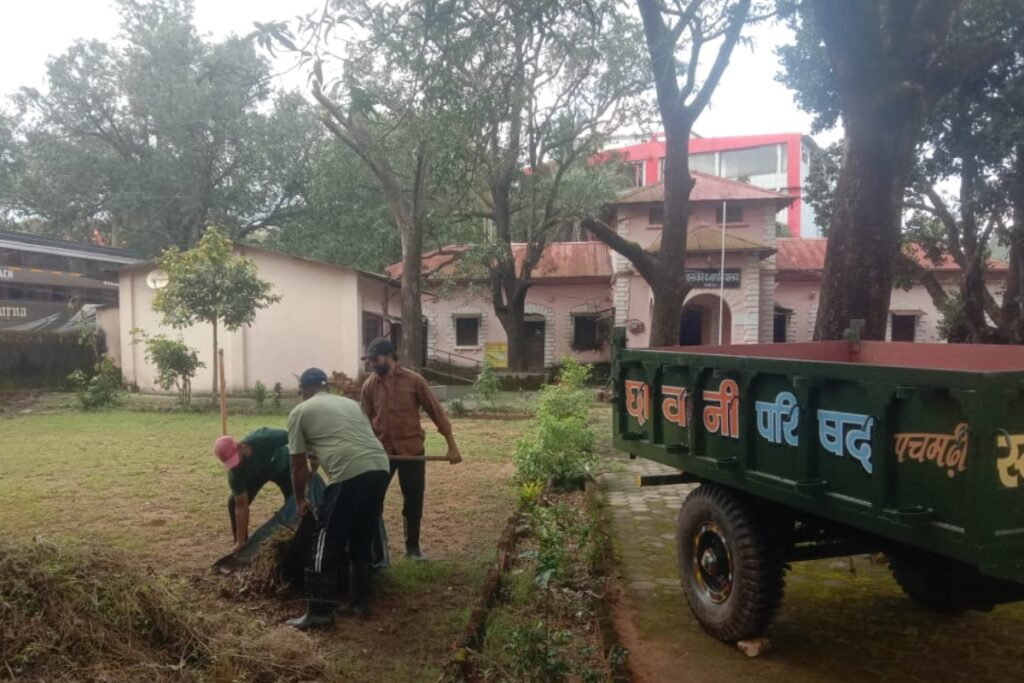
Environmental researcher Subhash C. Pandey warns that the decision could trigger unplanned urbanization. According to him, once construction is permitted, many hotels could emerge rapidly under the pretext of renovation. His concerns are not unfounded. Despite earlier restrictions, illegal hotel construction has already taken place in Pachmarhi.
In May 2025, a sessions court imposed a total penalty of ₹22 crore on six hotel operators for illegally constructing hotels in the name of building repairs. Pachmarhi Cantonment Board filed this case.
A Complex Administrative Landscape
The governance in Pachmarhi operates through several overlapping authorities. The town is primarily administered by the Pachmarhi Cantonment Board, which functions under India’s Ministry of Defence. The cantonment manages civic services for residents and tourism infrastructure.
Meanwhile, the Special Area Development Authority (SADA) oversees urban development, construction, and infrastructure planning. SADA works in coordination with the cantonment board. SADA itself operates under the Madhya Pradesh Urban Development and Housing Department, while the forest department has traditionally had a major role because the region falls within the Satpura Tiger Reserve.
With the removal of the 395.939 hectares from the sanctuary boundary, SADA’s authority will increase. The decision removes the requirement for forest department approval for construction and development projects.
From Court Relief to a Wider Opening
The roots of Pachmarhi’s construction restrictions stretch back nearly half a century. In June 1977, the state government notified the Pachmarhi Wildlife Sanctuary under the Wildlife Protection Act, 1972. At the time, inhabited settlements and the cantonment area were included in the notification. As a result, the entire town technically became part of the sanctuary.
From then on, even minor repairs or development work required approval from the forest department. In 2000, a petition was filed in the Madhya Pradesh High Court against the construction of hotels and buildings inside the sanctuary. The court imposed a complete ban on new construction and repairs in Pachmarhi.
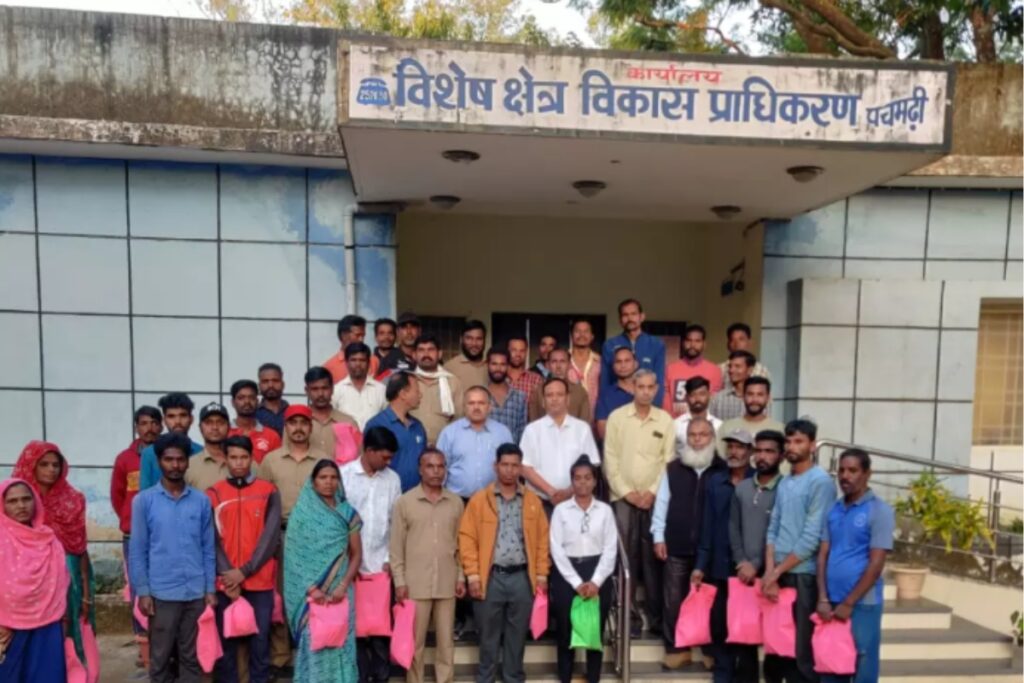
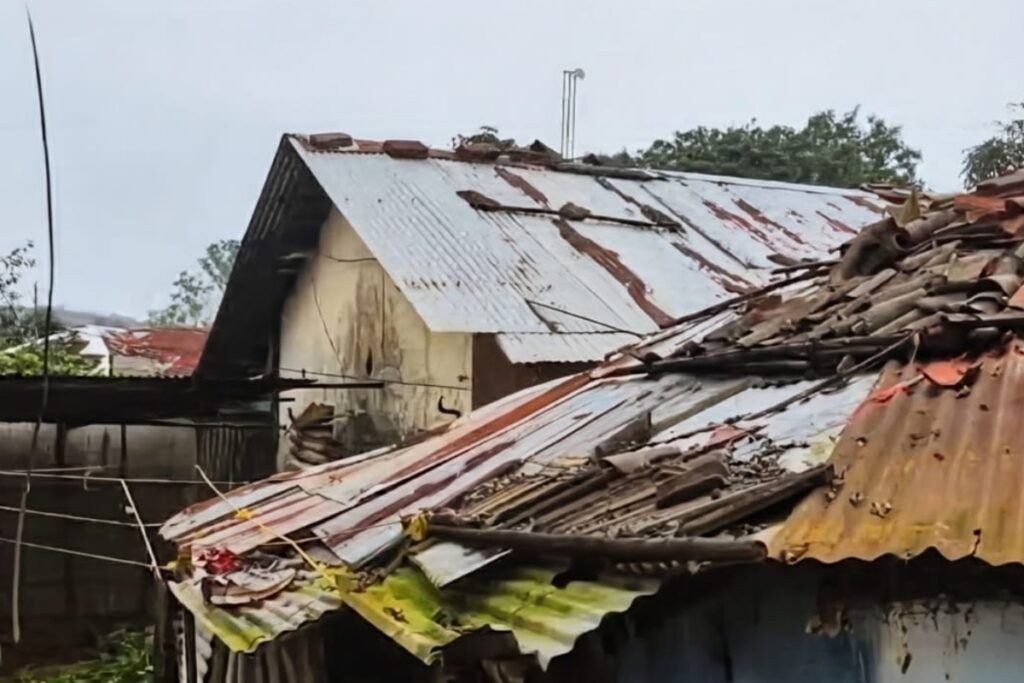
After years of legal battles, relief finally came in September 2025, when a Supreme Court bench comprising Justice B.R. Gavai and Justice K. Vinod Chandran ruled in favor of the residents. The ruling allowed families in the cantonment and SADA areas to rebuild their dilapidated houses as G+3 structures. This order concerned nearly 1,200 families, many of whom were unable to repair their deteriorating homes. Residents living on tiny 300-square-foot plots struggled for decades with the restrictions.
Environmentalists argue that the government has interpreted this order far more broadly than intended. Instead of limiting construction rights to residents, they say the state has effectively opened the entire 395.939-hectare area for large-scale commercial construction.
Concerns Over Eco-Sensitive Zone Rules
Activists also point to environmental regulations. On August 9, 2017, the Union Ministry of Environment, Forest, and Climate Change issued an Eco-Sensitive Zone (ESZ) notification. The rules prohibit new commercial construction within one kilometre of protected area boundaries.
Building resorts and new roads in the newly denotified land, activists argue, would violate these environmental safeguards. Wildlife activist Ajay Dubey, who is preparing to challenge the government’s decision in court, warned:
“This decision will destroy Pachmarhi’s fragile ecosystem. Water sources will dry up. It is a direct violation of environmental regulations. The purpose seems to be benefiting a few influential people.”
Every mountain town has a limited carrying capacity—a threshold beyond which its ecology begins to break down. Subhash C. Pandey fears that Pachmarhi may soon face pressures similar to those already seen in India’s crowded hill cities.
“Population and vehicle pressure in this sensitive hill region will rise sharply. Air quality will worsen, and construction noise will disturb wildlife,” Pandey said.
These concerns are supported by research.
A study by the National Institute of Urban Affairs (NIUA) titled “A Framework for Assessing Urban Carrying Capacity and its Impact on Sanitation Service Delivery in a Hill City” found that Nainital’s effective carrying capacity is just 8,422 tourists per day. Yet during peak seasons, the city receives far more visitors, leading to water shortages and landslides. According to the Madhya Pradesh Tourism Board, Pachmarhi received 287,000 tourists in 2024.
Shimla faces similar stress, with a population exceeding 800,000, straining its fragile ecosystem.
Urban regeneration professional Tanya Ahmed, a program officer at NIUA’s Sanitation Capacity Building Platform and co-author of the study, explains that Pachmarhi’s geology adds another layer of risk.
“The region’s geology is primarily hard sandstone. It is not suitable for heavy concrete construction or deep excavation.”
Water Crisis Looming
The Denwa River is the ecological lifeline of the Pachmarhi plateau. But human activity and deforestation are already placing heavy pressure on the river system. Scientific research on the Denwa basin has found rising pollution levels, while river flow becomes extremely weak during the summer months.
Dr. Abhilasha Bhawsar, a professor in the Department of Environmental Science and Limnology at Barkatullah University, who has studied the river, says:
“Pachmarhi sits on hard rock terrain where groundwater recharge is already very slow. If concrete spreads across the landscape, rainwater will no longer seep into the ground. In the future, this could lead to severe water shortages.”
The town’s waste and sewage infrastructure is also limited. Pachmarhi still lacks a centralized sewage treatment plant (STP). Most hotels and houses rely on septic tanks. Environmental activists warn that four-storey buildings could produce thousands of liters of wastewater daily, which may seep into the ground and eventually contaminate the Denwa River and local springs.
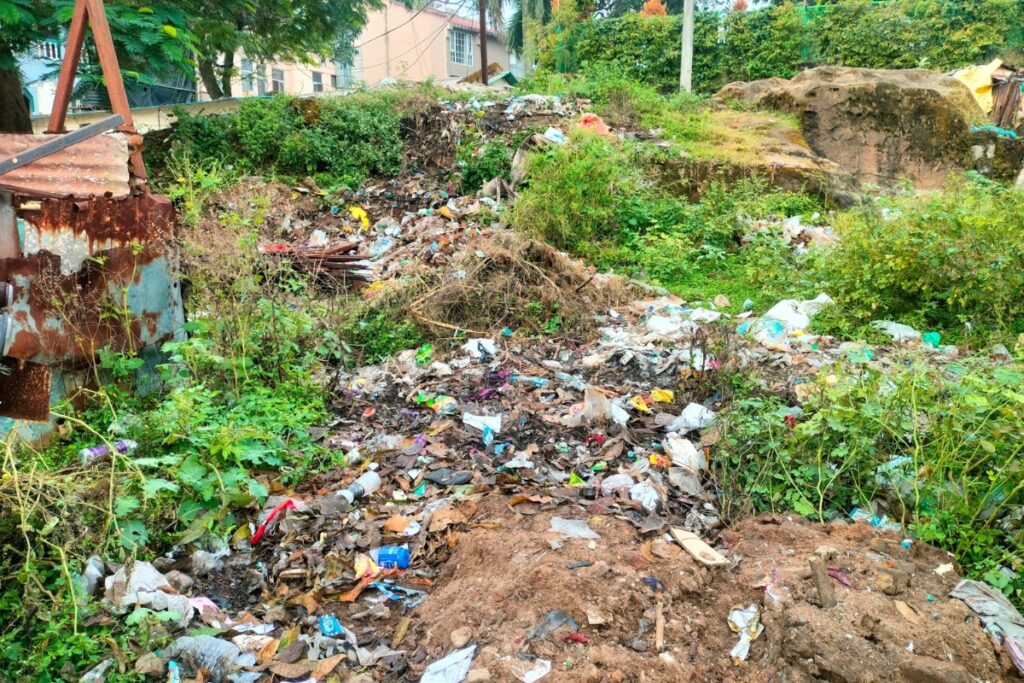
The cantonment board has also faced criticism for dumping garbage on forest land without authorization. Wildlife activist Ajay Dubey had earlier filed a case in the National Green Tribunal (OA48/2018) over this issue, and the board received strong reprimands.
Threat to Satpura Tiger Reserve and Rare Species
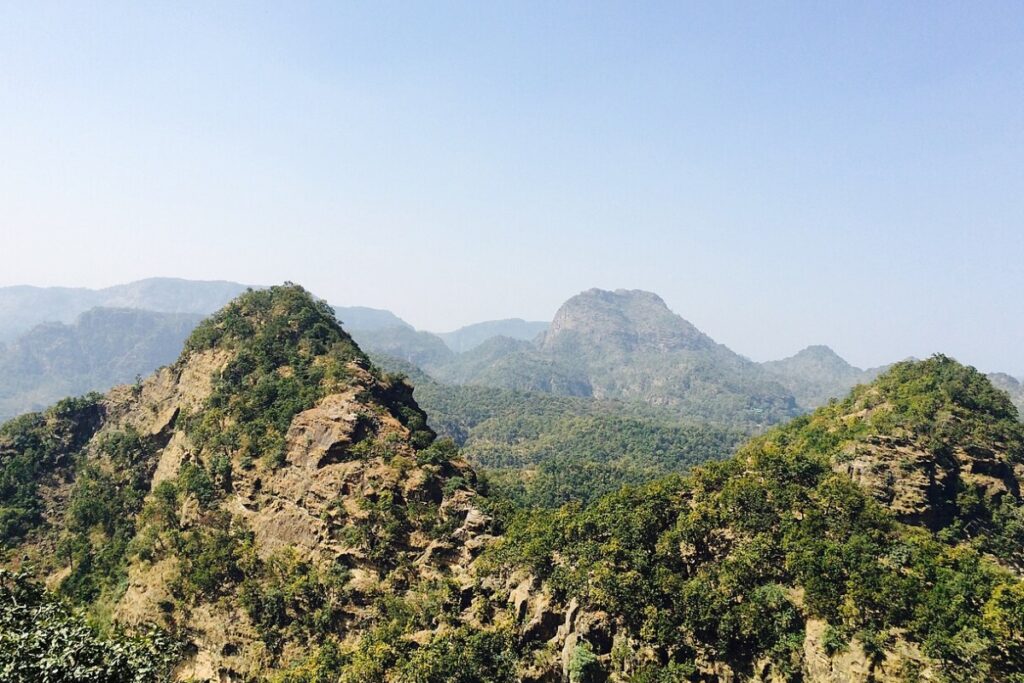
Pachmarhi town, which forms part of the Pachmarhi Biosphere Reserve, lies within one of central India’s most biodiverse regions. According to EPCO (Environmental Planning and Coordination Organization), the area hosts a high diversity of plant species, including wide, rare, and unique varieties. Because of this ecological richness, UNESCO (United Nations Educational, Scientific, and Cultural Organization) designated the region as part of the World Network of Biosphere Reserves on May 26, 2009.
The Pachmarhi Biosphere Reserve is also known as a “genetic express highway.” It connects two of India’s major biodiversity hotspots—the Eastern Himalayas and the Western Ghats—and is considered a meeting ground for northern and southern vegetation types.
The reserve supports remarkable botanical diversity. In total, 633 genera of angiosperms (flowering plants) belonging to 127 families have been recorded here. Additionally, 108 species belonging to 45 families have been identified in the region.
Environmentalists are also concerned about the impact on the Satpura Tiger Reserve. They warn that increased human activity could fragment wildlife corridors used by tigers, raising the likelihood of human-wildlife conflict.
The region is also home to several rare species, including the Indian giant squirrel. These squirrels live in the dense tree canopy and depend on interconnected treetops for movement. If large trees are cut down for construction, this natural arboreal highway could be broken. Environmentalists warn that such disruptions could threaten the long-term survival of the species in the area.
Government’s Justification
The state government maintains that the decision simply corrects an administrative error dating back to June 1, 1977, when the sanctuary was notified. Officials argue that the sanctuary boundaries were not demarcated at the time, and the entire town was mistakenly included in the protected area.
Environmental activists reject this explanation. Ajay Dubey questions the intent behind the move: “If this step is truly meant to help residents, why isn’t there a written guarantee that outside corporations and land mafias will not be allowed to build commercial projects here?”
The Supreme Court’s ruling was meant to provide relief to 1,200 local families struggling to repair their homes. Environmentalists say the ruling was not intended to open up the biosphere reserve to large-scale development.
Pachmarhi’s future now depends largely on SADA’s Zonal Master Plan 2031. The plan includes strict provisions on carrying capacity, eco-sensitive zone regulations, mandatory rainwater harvesting, and prohibitions on construction along slopes. But if those safeguards are ignored and unchecked construction begins, environmentalists warn that the fragile ecology of Pachmarhi could face irreversible damage.
Support Us To Sustain Independent Environmental Journalism In India.
More Ground Reports
Panna: Villagers Protest Irrigation Projects, Demand Documents, and Transparency
Fulkai Maai Demands the Return of Crèches for Malnourished Korku Children
Stay Connected With Ground Report For Underreported Environmental Stories.
Support Us To Sustain Independent Environmental Journalism In India.
Author
Support Ground Report to keep independent environmental journalism alive in India
We believe climate change should be the basis of current discourse, and our stories attempt to reflect the same.
Connect With Us
Send your feedback at greport2018@gmail.com
Newsletter
Subscribe our weekly free newsletter on Substack to get tailored content directly to your inbox.
When you pay, you ensure that we are able to produce on-ground underreported environmental stories and keep them free-to-read for those who can’t pay. In exchange, you get exclusive benefits.
Your support amplifies voices too often overlooked, thank you for being part of the movement.