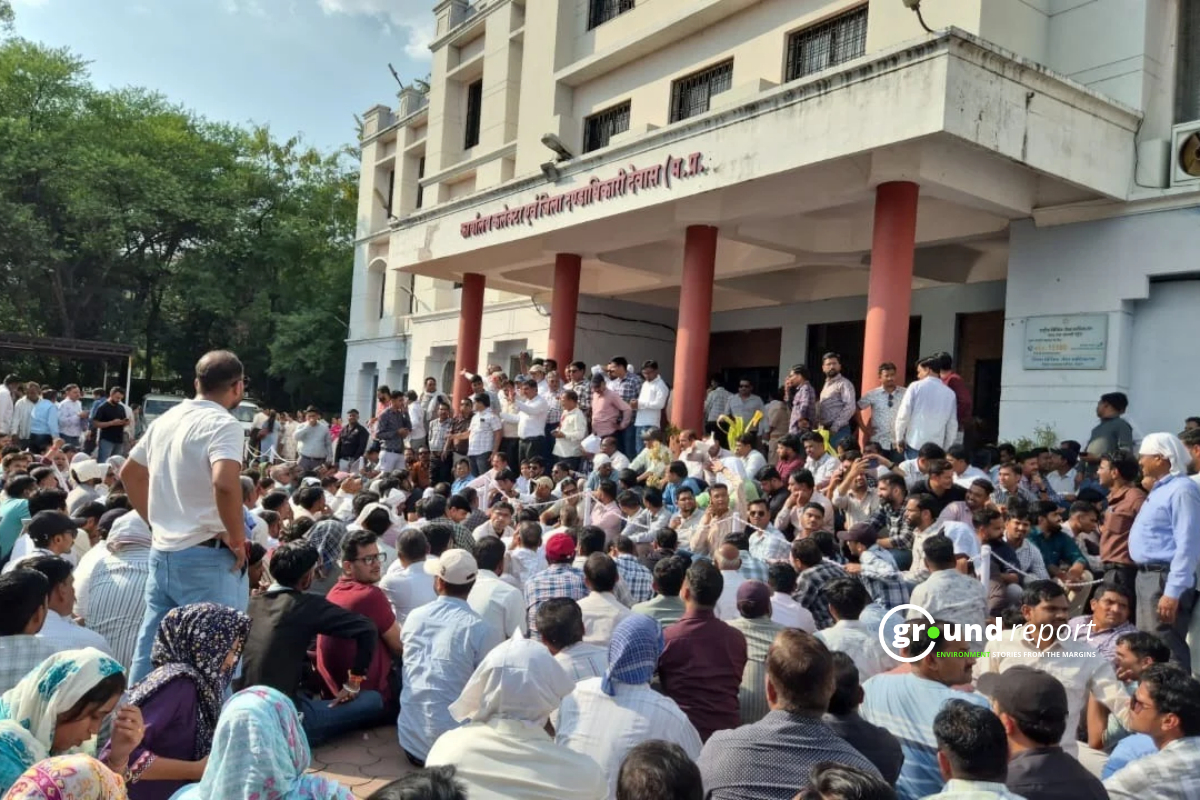
Madhya Pradesh Finance Minister Jagdish Devda presented a Rs 4,38,317 crore budget for 2026-27 in the state Assembly on Wednesday, announcing the state’s first Green Budget framework. The government has set aside Rs 6,151 crore for environmental conservation, a 30.2 percent rise over last year’s Rs 4,725 crore allocation for forests and environment.
But the budget documents do not provide standalone allocations for a dedicated environment department, name specific schemes beyond the tiger reserve announcement, or detail any monitoring or evaluation mechanism for the framework. The government has not responded publicly to questions about how the framework’s impact will be measured.
Despite introducing a Green Budget framework for the first time, the phrase “climate change” does not appear once in either Devda’s budget speech or the budget documents. The framework addresses air pollution and sustainable mobility but stops short of naming the broader crisis driving both.
Against that backdrop, the energy sector received about Rs 26,299 crore, 6 percent of total expenditure, with solar infrastructure prominently featured across budget documents. Forestry contributes 8 percent to the state’s own non-tax revenue, making it one of the most economically significant natural assets in the state.
What Was Allocated
| Sector | Allocation |
| Total Budget 2026-27 | Rs 4,38,317 crore |
| Environmental Conservation | Rs 6,151 crore |
| Energy Sector (incl. Renewable) | Rs 26,299 crore (6%) |
| Solar Pumps for Farmers | Rs 3,000 crore |
| Animal Husbandry | Rs 2,364 crore |
| Horticulture | Rs 772 crore |
| Fisheries | Rs 412 crore |
| Rural Sanitation | Rs 400 crore |
Green Budget Framework
For the first time, Madhya Pradesh has introduced a Green Budget framework within its annual expenditure plan. The government announced that electric vehicles will be introduced for official government use. Registration incentives will also be offered to encourage citizens to shift to electric vehicles. No separate fund has been named for either initiative beyond the Rs 6,151 crore environmental conservation figure.
Tiger Reserves and Wildlife
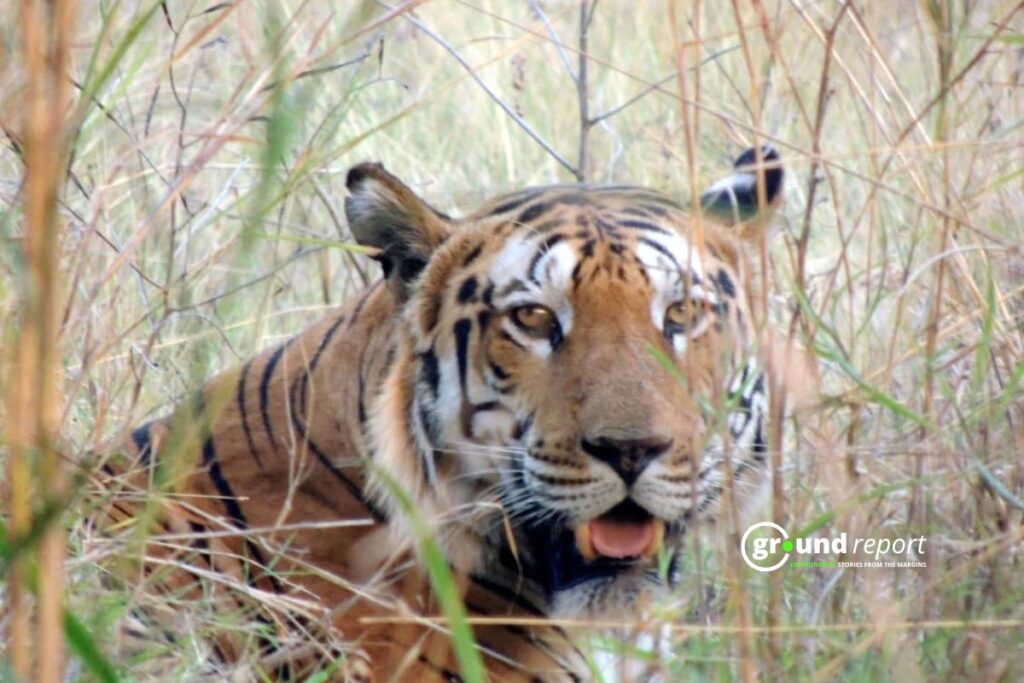
Tiger conservation has been identified as a priority. The government announced new tiger reserves in Ujjain, Satna, and Bhopal, in addition to other parts of the state. No specific fund allocation has been detailed for individual reserves in the budget documents.
Renewable Energy and Solar Push
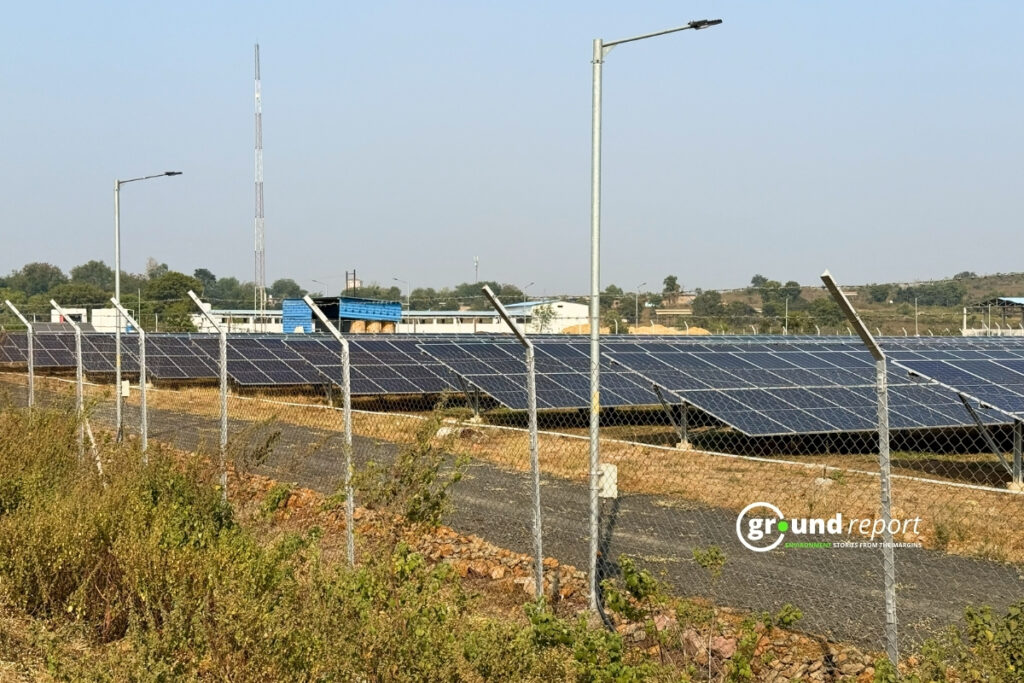
The energy sector allocation of nearly Rs 26,299 crore includes a significant push toward solar infrastructure. One lakh solar irrigation pumps will be provided to farmers at a cost of Rs 3,000 crore under the Pradhan Mantri Krishak Surya Mitra Scheme, reducing electricity consumption and lowering the carbon footprint of irrigation. A further Rs 20,485 crore has been set aside for electricity bill relief to farmers while the solar transition takes hold.
The budget targets natural farming on 75,650 hectares. Currently, 21.42 lakh hectares have already been registered under organic and natural farming programmes.
Rural Sanitation and Water Conservation
Under the Swachh Bharat Mission (Gramin), Rs 400 crore has been allocated for rural sanitation. Two lakh new family toilets will be constructed in villages across the state.
The Viksit Bharat-G RAM G Act, introduced in this budget, mandates the creation of durable rural assets including water conservation structures such as check dams and ponds. Irrigation contributes 5 percent to the state’s own non-tax revenue, reflecting its dual role in agricultural productivity and water resource management.
Allied Sectors
The fisheries sector received Rs 412 crore, including Rs 150 crore for the Pradhan Mantri Samriddhi Yojana, under the government’s Blue Revolution initiative. Animal husbandry received Rs 2,364 crore, including Rs 630.5 crore for cattle breeding and Rs 250 crore for the Chief Minister’s Animal Husbandry Development Scheme. Horticulture received Rs 772 crore, including Rs 200 crore for the Pradhan Mantri Micro Food Processing Scheme and Rs 152 crore for the National Horticulture Mission.
The numbers are significant. But without a named monitoring mechanism or a dedicated environment department to administer them, how the Rs 6,151 crore translates from budget document to ground-level impact remains the central unanswered question of MP’s first Green Budget.
Support Us To Sustain Independent Environmental Journalism In India.
Keep Reading
Highway Halt Puts Kashmir’s Fruit Economy at Risk
Railway line expansion plan put Kashmir’s apple orchards at risk
Warmer winters in Kashmir raise concerns over apple and crop yields