In recent years, Sehore, a small town near Bhopal, has changed. Hotels and infrastructure building, many residents attribute to a rapidly growing religious site near Sehore in Madhya Pradesh, associated with spiritual preacher Pandit Pradeep Mishra.
Every year, during Mahashivratri in February, lakhs of devotees gather at Kubereshwar Dham. Over the past few years, the dham has emerged as a major pilgrimage destination, particularly during large religious congregations such as the Rudraksh Mahotsav and Mahashivratri celebrations, drawing crowds from across central India.
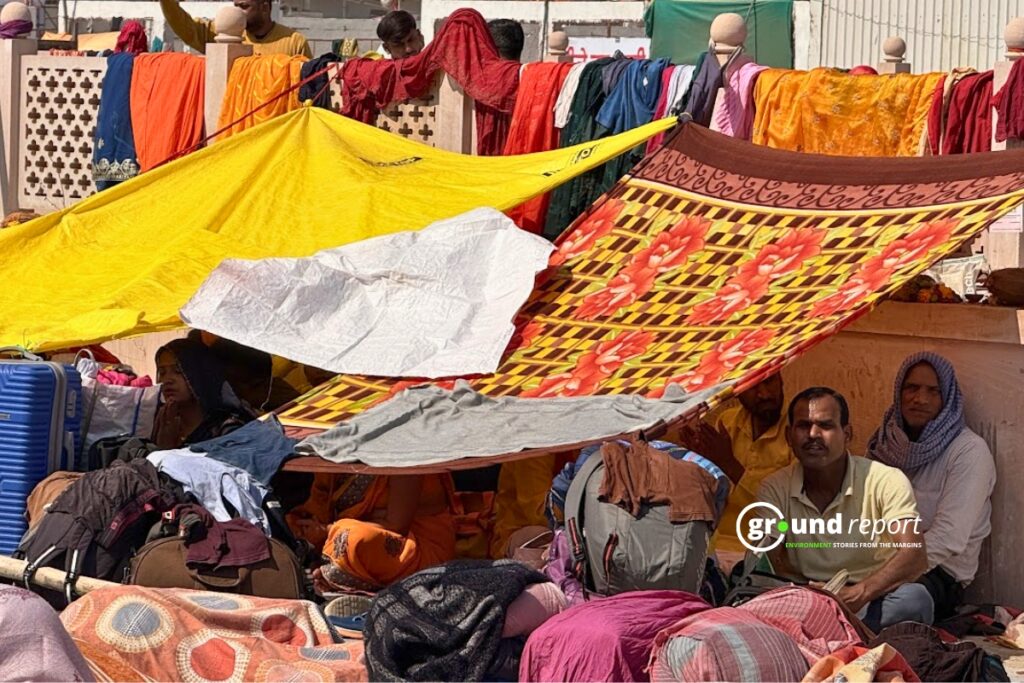
A few years ago, when Ground Report visited the same site, it was much smaller and more compact — clearly not equipped to handle lakhs of devotees. There was chaos, for lack of a better word. Trucks and trolleys lined the state highway, while many sat along the roadside, buying bottles of water at nearly four times the usual price.
With rising footfall has come a parallel concern — waste generation and its management.
According to local estimates cited in multiple media reports, including coverage by Dainik Bhaskar, the number of visitors during major events has steadily increased year after year, to an estimated 2 to 3 lakhs in 2026.
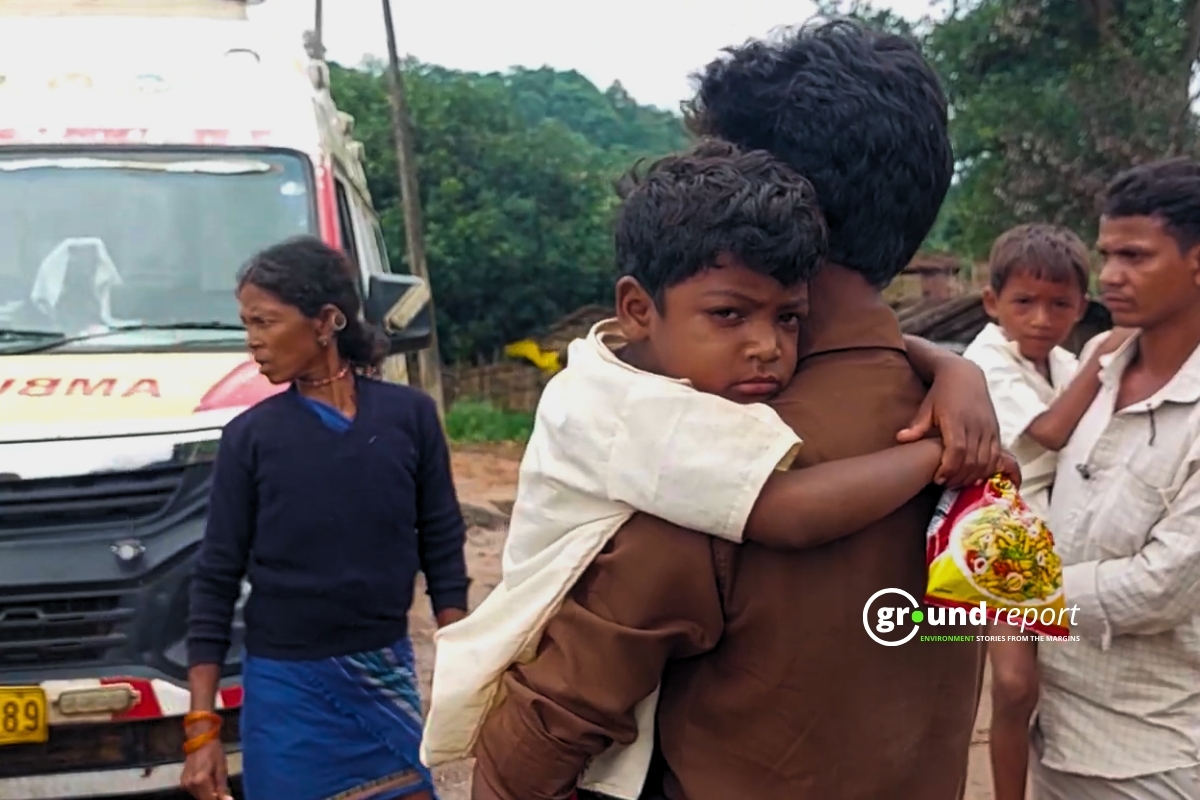
This year, the dham is distributing food, organizing mass gatherings, and offering free or cheap services such as drinking water and ambulance facilities. However, an event of this scale also increases waste generation, particularly from single-use plastic bottles and food packaging.
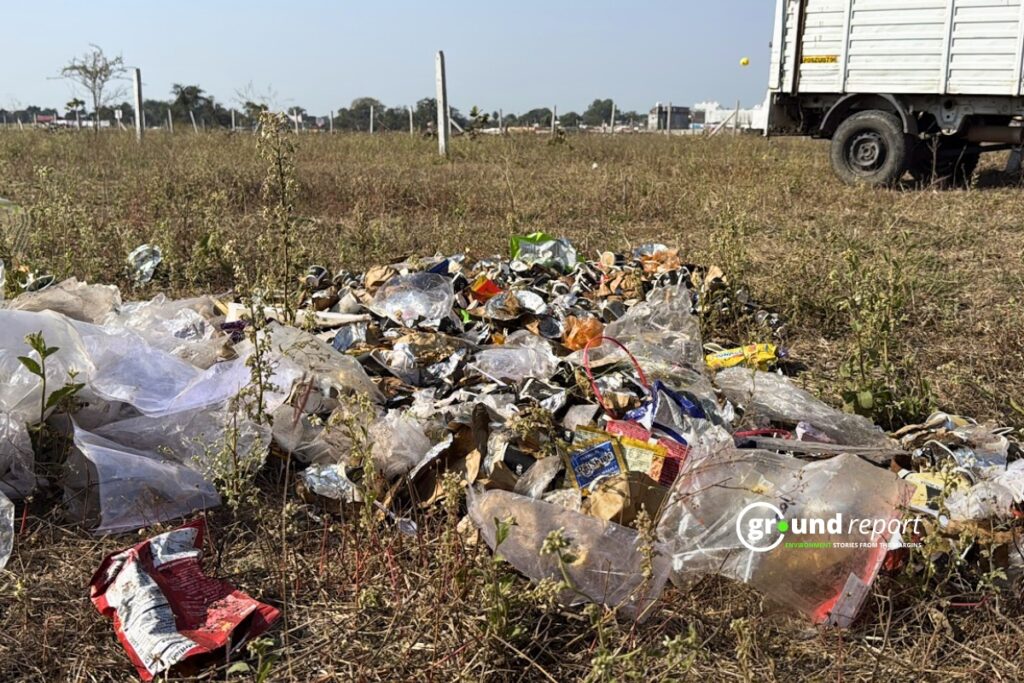
This year, compared to the previous events, both the temple committee and local administration appear to have made visible efforts to improve sanitation and waste handling. However, ground observations and conversations with visitors and workers suggest that implementation gaps remain, especially when dealing with crowds of this scale.
Visible improvements this year
“Compared to last time, the arrangements look better. Cleanliness is visible this time,” said one devotee visiting for the third year to the Mahashivratri event, noting that dustbins have been placed at multiple locations and sanitation workers are visible throughout the day.
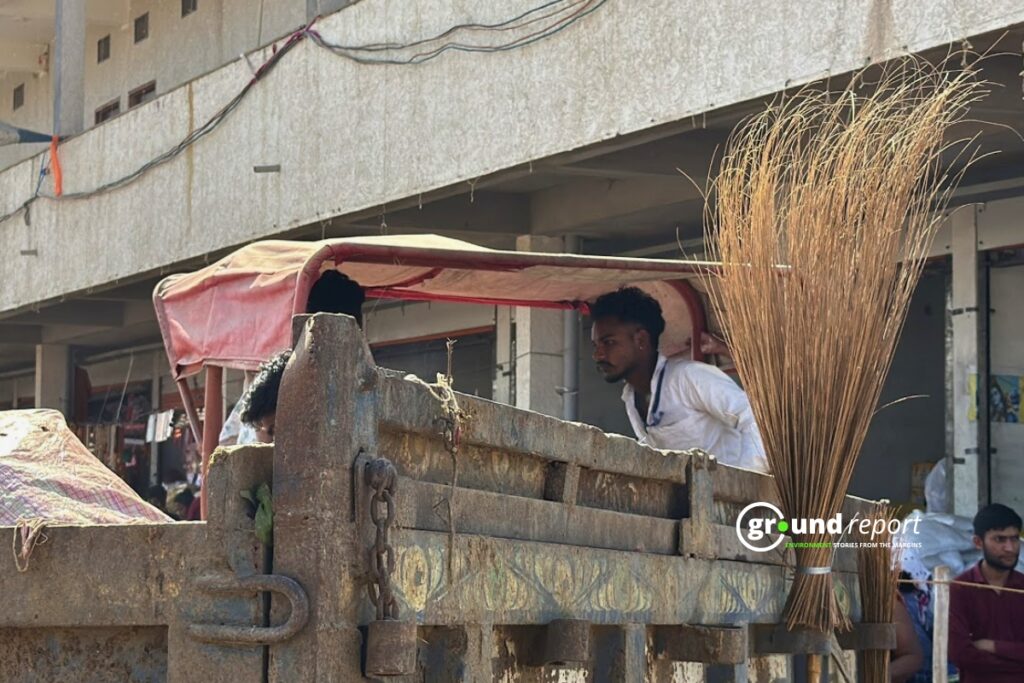
Ankit Valmiki, a sanitation worker at the site, said that teams are working extended hours during the event. He explained that the workers begin early in the morning and continue until late evening to handle the flow of waste generated by devotees.
Valmiki explained that a designated collection point is where garbage from across the venue is brought before being transported out for disposal. In earlier years, waste reportedly had to be transported outside directly, making management more difficult during peak crowd hours.
The committee responsible for waste management, in tandem with Sehore Municipality, hired local waste pickers for seven days to sort the waste. One waste collector said plastic bottles form the largest portion of waste generated during the event, though the economic value of lightweight plastic remains low, making collection less viable despite the large volume.
Lack of Civic Sense
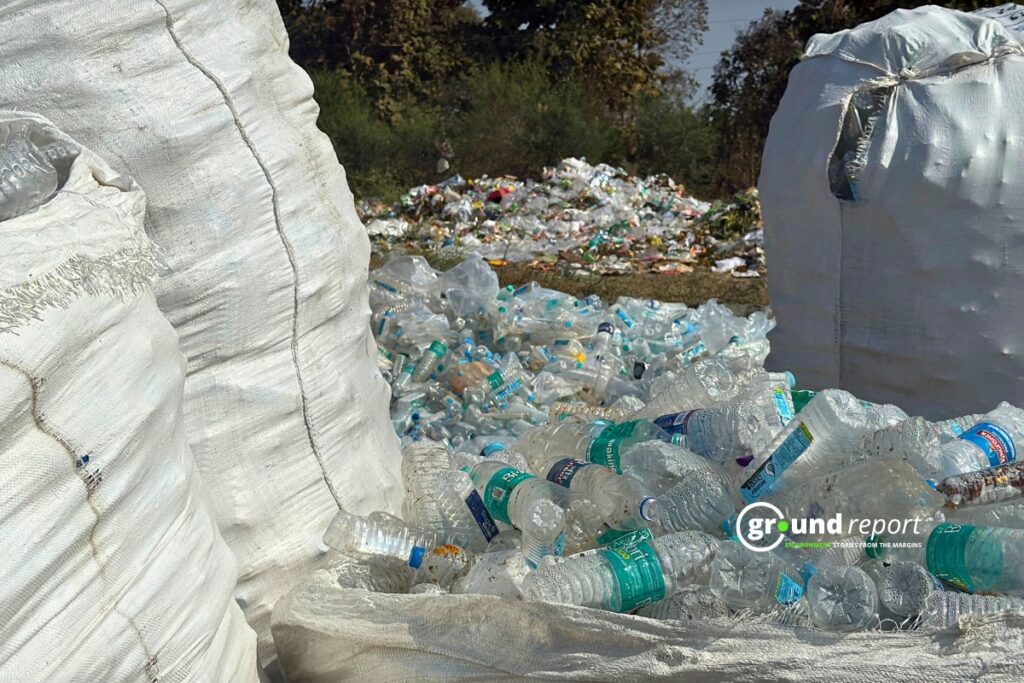
“Dustbins are there, but people still throw waste outside. If the public does not cooperate, what can the organisers do?” said one attendee visiting for the fourth time.
Also Read: Indore Startup Swaaha takes the lead in making Amarnath Yatra eco-friendly
Despite bins, waste continued to pile up in several areas. Visitors themselves acknowledged that public behaviour remains a major challenge. Another concern our team observed was widespread gutka (chewing tobacco) consumption within the dham, with many people spitting along walls and near areas where waste had accumulated.
Even with the number of toilets having improved from 50 to 200, people continue to defecate in the open.
Another shopkeeper explained that many shop owners will collect the waste and burn it in the nearby agricultural fields. There are concerns as this waste can have a long-term impact if not disposed of efficiently. Residents and workers point out that plastic waste left behind after such gatherings can enter nearby agricultural fields, contributing to soil contamination and microplastic accumulation, a concern increasingly discussed in environmental reporting.
The way forward
Observers say religious leaders themselves could play a role in improving compliance. “If an announcement is made from the stage asking people to dispose of waste properly, people will listen,” one attendee agreed.
As religious tourism continues to expand, experts argue that large events will increasingly need environmental planning on par with urban festivals, including mandatory waste audits, on-site segregation systems, and coordination between temple committees and municipal bodies.
Support Us To Sustain Independent Environmental Journalism In India.
More Video Reports
Rail Projects Halted in Kashmir After Apple Farmers Protest, Uncertainty Remains
After Indore, 22 Fall sick in Mhow Due To Drinking Contaminated Water
Stay Connected With Ground Report For Underreported Environmental Stories.
Author
Support Ground Report to keep independent environmental journalism alive in India
We believe climate change should be the basis of current discourse, and our stories attempt to reflect the same.
Connect With Us
Send your feedback at greport2018@gmail.com
Newsletter
Subscribe our weekly free newsletter on Substack to get tailored content directly to your inbox.
When you pay, you ensure that we are able to produce on-ground underreported environmental stories and keep them free-to-read for those who can’t pay. In exchange, you get exclusive benefits.
Your support amplifies voices too often overlooked, thank you for being part of the movement.