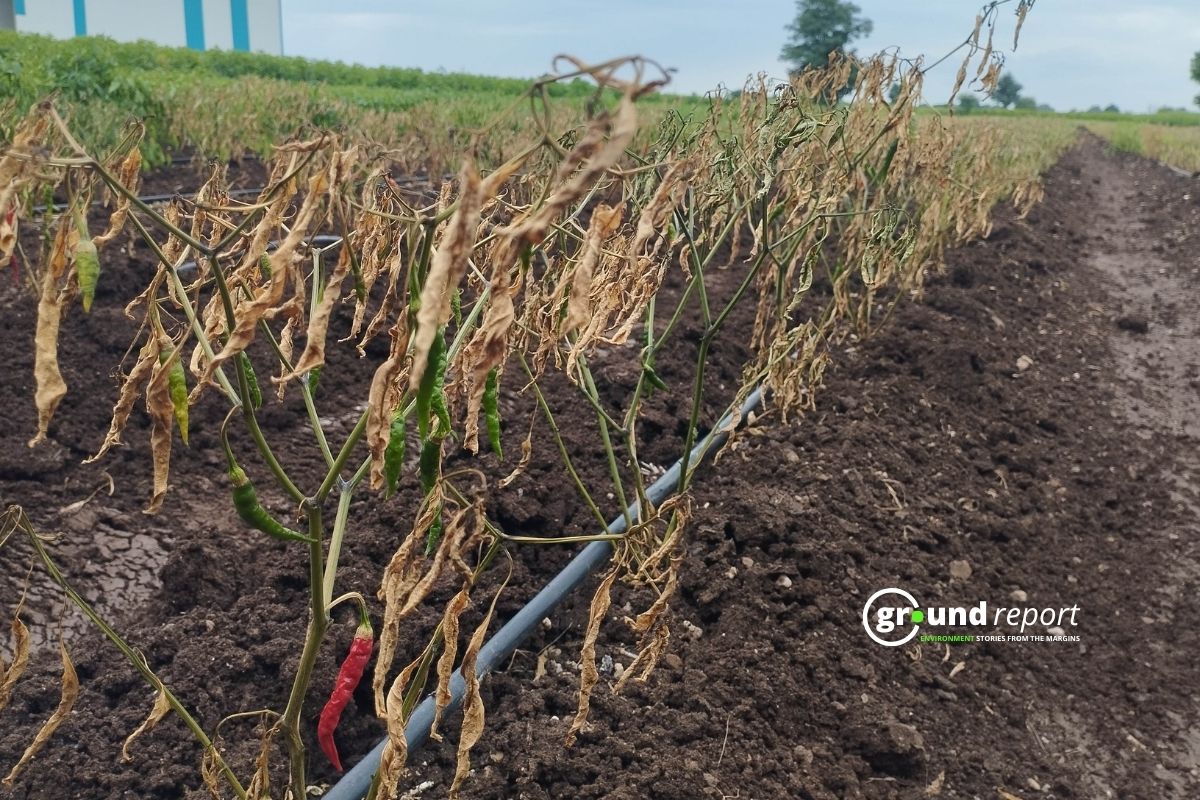
Floods in Punjab during 2025 killed 40 people and destroyed over 7,000 livestock, Union Minister Nityanand Rai told the Rajya Sabha on December 3. The disaster damaged 14,065 houses and destroyed crops across 193,000 hectares of farmland as of November 27.
The Punjab government reported these figures to the Union Ministry of Home Affairs. The floods hit the state during the 2025 monsoon season, marking one of the worst disasters Punjab has faced in four decades.
Central Government Response
Prime Minister Narendra Modi visited the affected areas on September 9, 2025. The central government deployed 35 National Disaster Response Force teams to conduct rescue and relief operations across the flooded regions.
The government formed an Inter-Ministerial Central Team on September 1, 2025, without waiting for Punjab to submit a formal request. This team assessed the damage on the ground from September 3 to 6.
The Centre declared the Punjab floods a national calamity on its eSakshi portal. This declaration allowed members of parliament from across India to contribute funds from their MPLAD allocations to help Punjab recover.
Seven MPs contributed Rs 1 crore each to flood relief efforts. These included Hardeep Singh Puri, Ashok Kumar Mittal, Harbhajan Singh, Sanjay Singh, Sandeep Kumar Pathak, Jual Oram, and Vikramjit Singh Sahney. Two MPs gave Rs 75 lakh each, while three others contributed Rs 25 lakh each.
Union Minister Rao Inderjit Singh told Parliament on Monday that MPs contributed a total of Rs 9.25 crore from their MPLAD funds. Most contributing MPs belonged to the Aam Aadmi Party from both houses of Parliament. The first contribution came from Sahney on September 19, and the last from Puri on November 17.
Early Warning Systems in Place
The government operates flood forecasting systems across Punjab, Himachal Pradesh, and Jammu and Kashmir. The Central Water Commission issues flood forecasts up to 24 hours in advance and provides seven-day advisories through its web portal.
The India Meteorological Department runs a Flash Flood Guidance System that warns about potential flash floods 6 to 24 hours before they occur. The system analyzes rainfall data, soil moisture levels, and river conditions to issue early warnings.
Punjab currently has one inflow forecast station at Ranjit Sagar Dam on the Ravi river and four hydrological observation stations. Jammu and Kashmir operates three level forecast stations on the Jhelum river and 28 observation stations. Himachal Pradesh has one level forecast station at Paonta Sahib on the Yamuna river and 26 observation stations.
State governments manage disaster relief through the State Disaster Response Fund. The central government provides additional financial support from the National Disaster Response Fund when disasters reach severe levels.
Support us to keep independent environmental journalism alive in India.
Keep Reading
Small Wild Cats in Big Trouble: India’s First National Report Released
After Tragedy, Families Face Delays in Tiger Attack Compensation
Stay connected with Ground Report for underreported environmental stories.