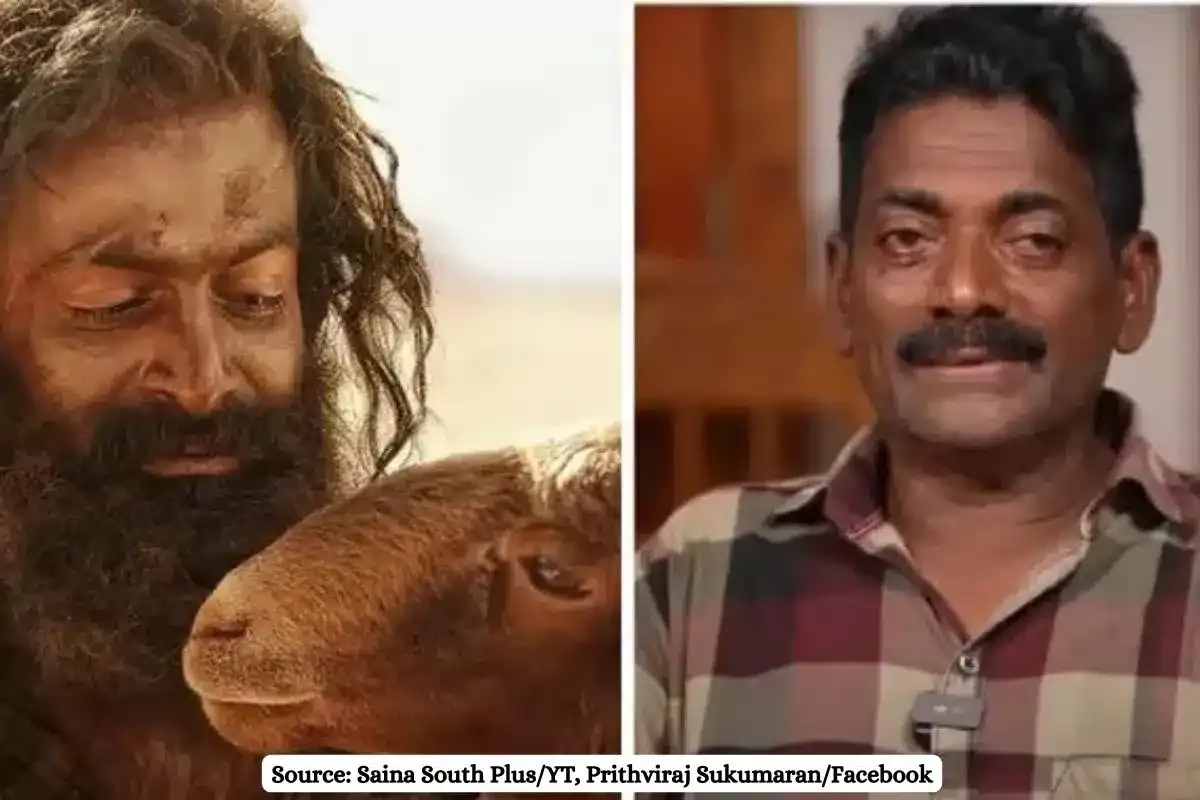
Prithviraj Sukumaran’s movie “Aadujeevitham – The Goat Life” has been praised by audiences since it came out. Najeeb Muhammad, the person who inspired the film, also watched it at the premiere. He said it was very emotional to see the film and wished it success.
Najeeb, from Arattupuzha village near Haripad town in Kerala, was deeply moved after watching the film. He shared, “I was in tears during most scenes; it was painful to watch at times. Despite a recent family tragedy—my infant grandson passed away—I received messages from people excited to see the film. Their encouragement brought me here today.” Najeeb expressed his heartfelt wish for the film’s success and for everyone to watch it.
“From the airport, it was a two-day journey and it seemed never-ending. From that itself, I realised that it was a trap,” he noted, adding, “The journey was via Mumbai. After reaching the desert, on the second day of travel from the airport, I didn’t see a single human being other than my Arab boss and his brother. I was not paid a single rial as salary.”
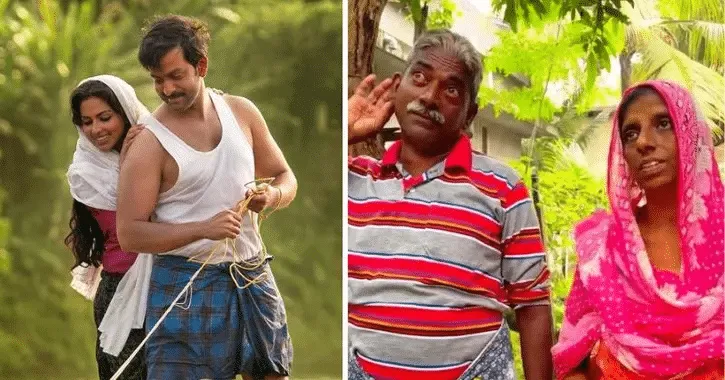
Who is Najeeb Muhammad?
In 1992, Najeeb, a laborer from Aarattupuzha village in Haripad, sought better opportunities in the Middle East. Little did he know that this decision would completely alter his life.
Najeeb’s journey began in 1992 when he left his sand mining job in Kerala for employment in Saudi Arabia. He sold land to afford the visa costs, which he mentioned were Rs 55,000 at the time. Once in Riyadh, he fell prey to a kidnapper posing as his employer at King Khalid International Airport. Due to his lack of experience in international travel and knowledge of Arabic, Najeeb was taken to a desert goat farm, where he was forced into slavery, tasked with herding goats.
Muhammad endured harsh conditions devoid of water, food, and basic necessities. His opportunity for escape finally came after two years when his boss left for a wedding. Along his journey, he met another Malayali who helped him seek assistance from the authorities, ultimately leading to his deportation.
For two relentless years, Najeeb was isolated in the desert, save for occasional interactions with his Arab boss and brother. His arduous task: herding 700 goats under constant surveillance via binoculars. Despite his toil, he received no wages, lacked proper clothing, bathing water, and subsisted on dry kuboos moistened with goat’s milk for sustenance.
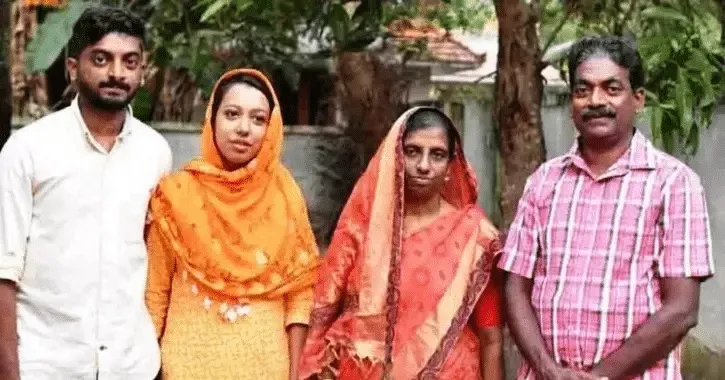
Upon his return home, Najeeb reunited with his son Safeer, who was two years old at the time. Najeeb Muhammad is also a father to a daughter named Safeena. Tragically, before the release of Blessy’s Aadujeevitham, Najeeb Muhammad faced the heartbreaking loss of his granddaughter, Safa Mariyam, the child of his son Safeer and wife Mubeena.
Keep Reading
What is Environmental Impact assessment in terms of Indian rules?
Goa’s new airport in Mopa endangers livelihood of hundreds of farmers
EIA Notification Revised 100+ Times in 5 Years: Environment at Risk?
Follow Ground Report for Environmental News From India. Connect with us on Facebook, Twitter, Koo App, Instagram, Whatsapp and YouTube. Write us on GReport2018@gmail.com and subscribe our free newsletter.
Don’t forget to check out our climate glossary, it helps in learning difficult environmental terms in simple language.