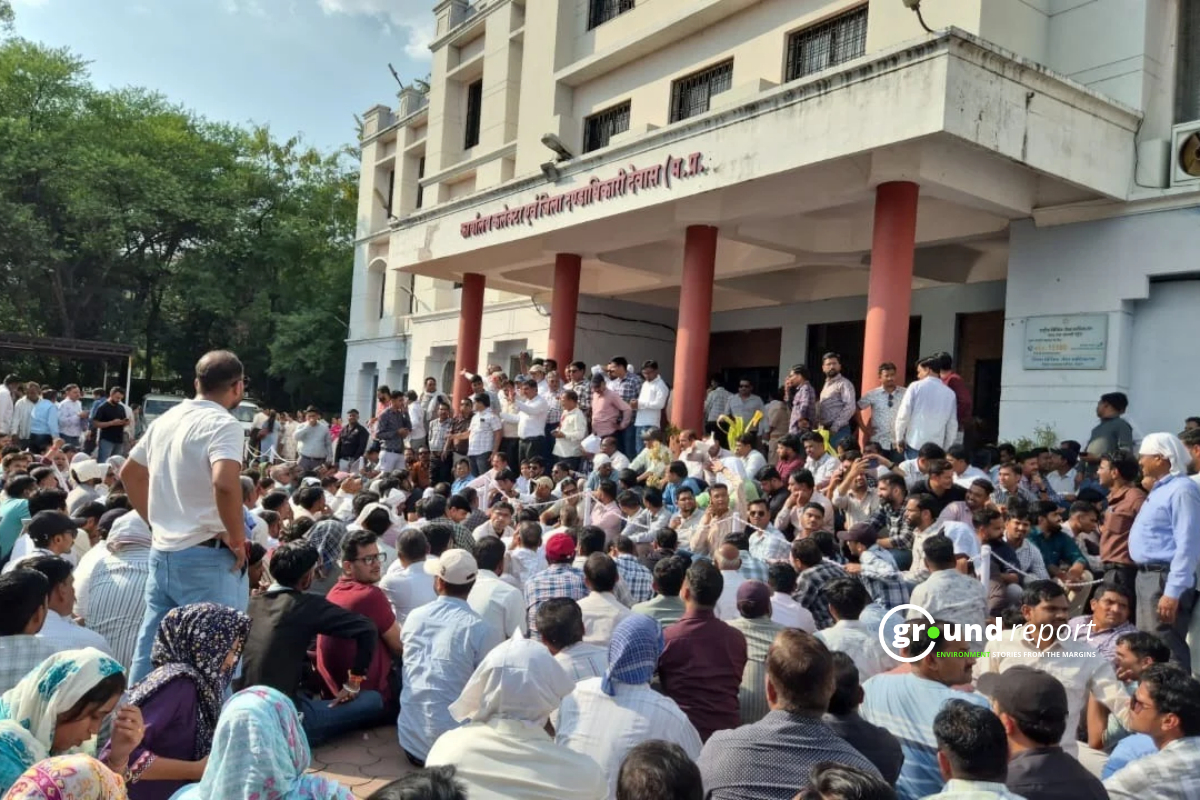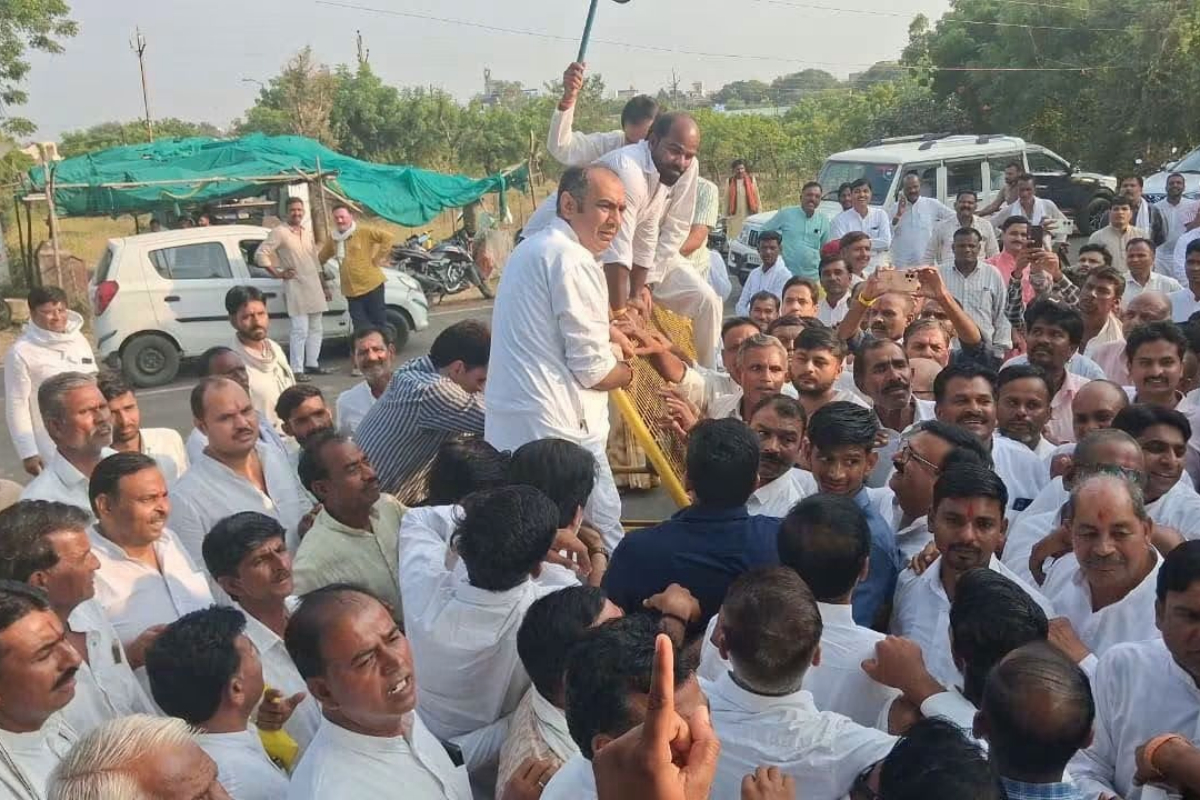
Rural areas across several districts of Madhya Pradesh faced unannounced power cuts lasting two to 10 hours at night. Frustrated residents protested against the government. In Kothri village in the Sehore district, farmers blocked the Indore–Bhopal State Highway. In Guna, protesters locked the electricity department’s office. Residents staged protests in more than 18 districts, including Rajgarh, Bhopal, Sheopur and Gwalior.
Vishesh Garhpale, Secretary, Energy Department, Government of Madhya Pradesh, said irregular rainfall and rising temperatures had suddenly increased electricity demand. He said the state was working to meet the additional demand.
Ground Report examined the reasons behind the power cuts and the resulting protests.
Three to Four Hours of Power Cuts
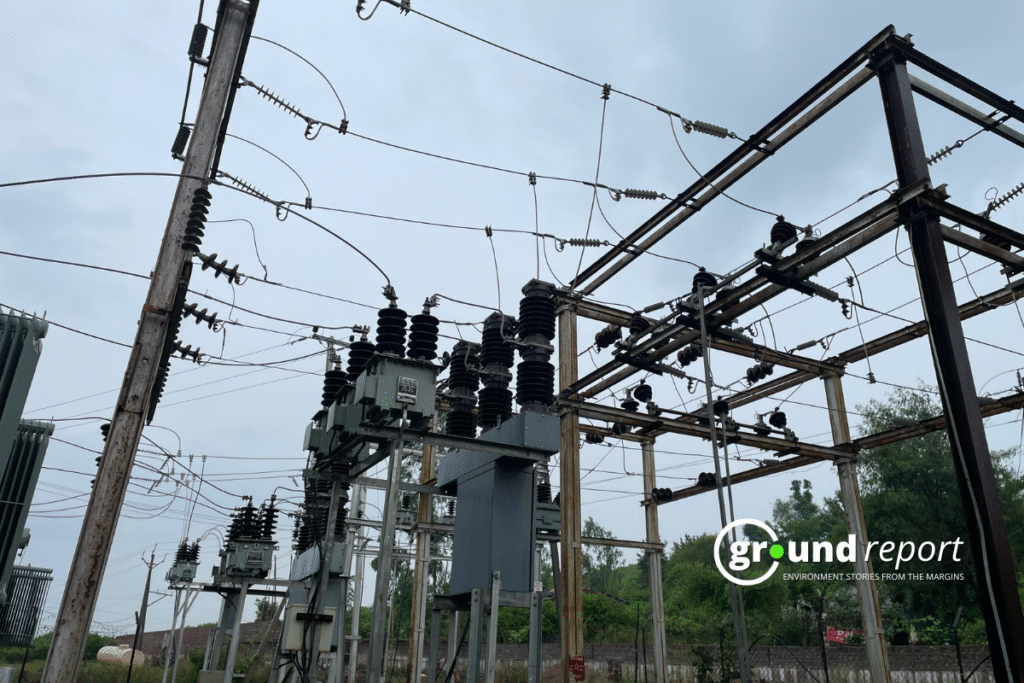
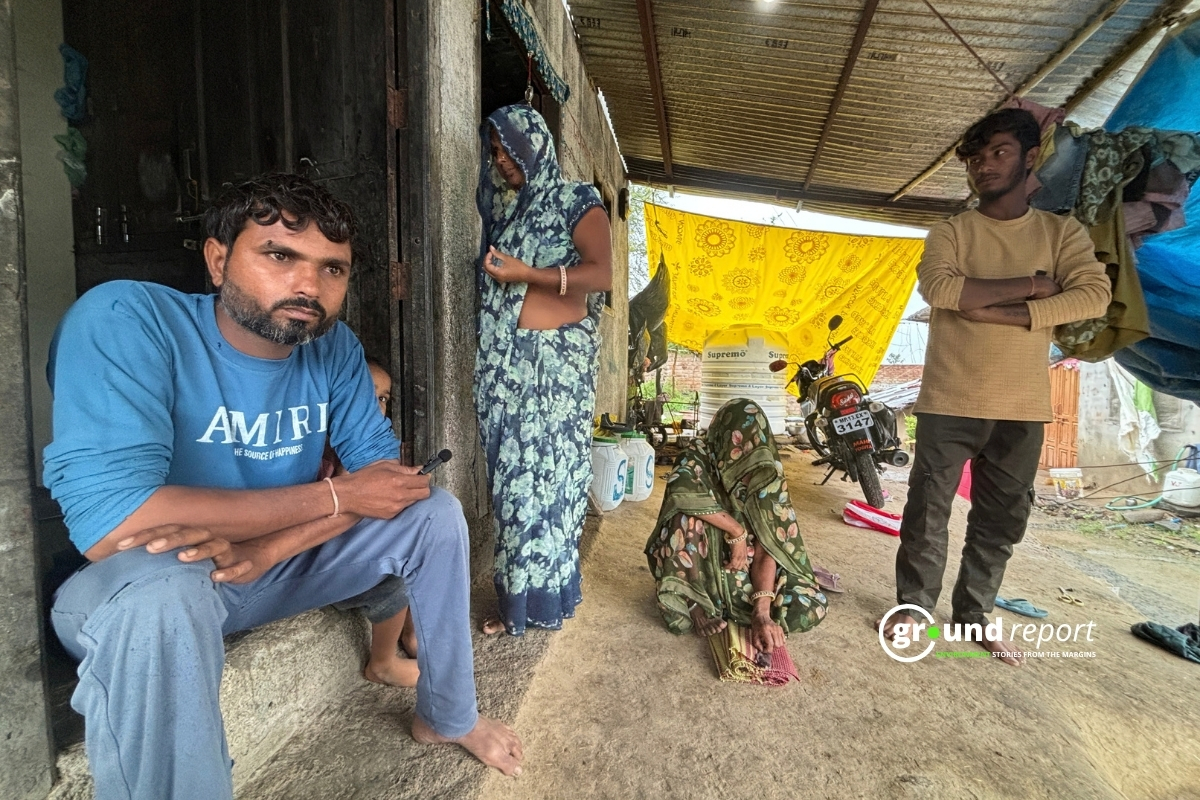
Ramchandra, a farmer from Nataram village in Rajgarh district’s Khilchipur block, said the village had experienced regular power cuts lasting three to four hours at night for the previous eight days. Daytime outages remained unpredictable. The electricity department sent load-shedding messages and then cut the supply.
Bhagwan Singh Patel, the state in-charge of a farmers’ organisation and a resident of Devalikala village, expressed frustration with the situation.
“Rural areas received electricity for only 12 to 15 hours out of every 24 hours. It became difficult to get through the night,” he said.
According to the Central Electricity Authority (CEA)—a statutory body that advises the central government on electricity-related matters—load shedding involves deliberately cutting electricity to protect the grid. When demand exceeds available supply, authorities temporarily disconnect feeders to prevent a system-wide blackout. But why did Madhya Pradesh need to resort to load shedding?
In October, Madhya Pradesh typically recorded electricity demand of around 11,000 megawatts. This year, demand rose to between 14,000 and 17,000 megawatts. According to a Free Press Journal report, the state had an 800-megawatt power shortage.
The Energy Department bought electricity from the power exchange to bridge the gap and considered other options.
Former Energy Minister Allegations
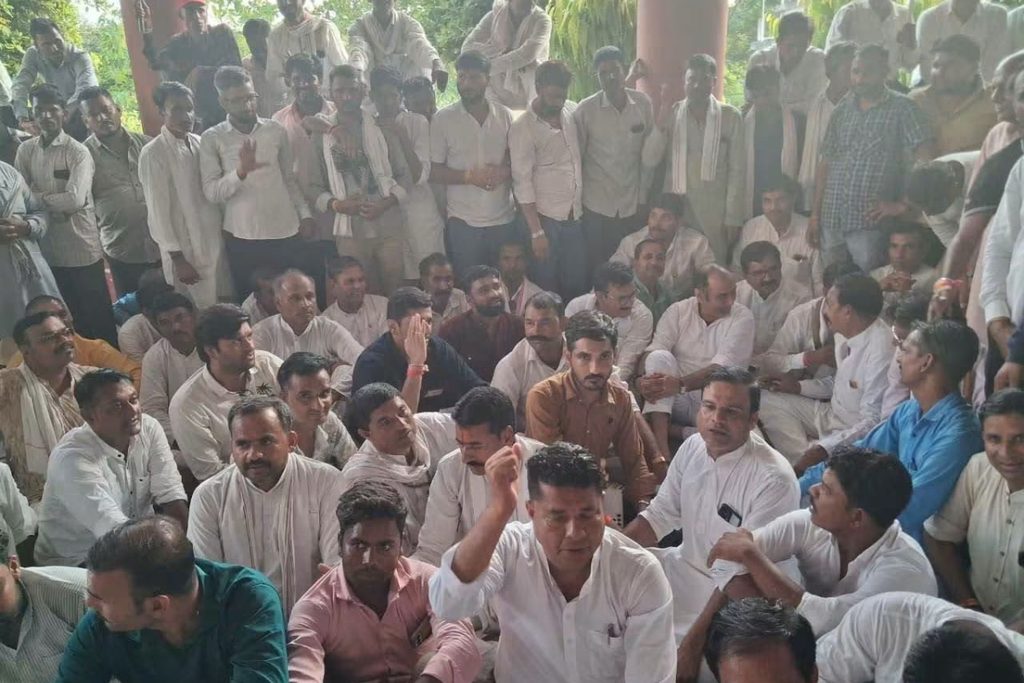
On October 14, the Congress staged a large protest in Rajgarh under former Energy Minister Priyavrat Singh Khichi. During the demonstration, Khichi called Devendra Singh Mehra, general manager of the Rajgarh electricity department, and gave officials an ultimatum to improve the situation quickly.
Mehra said electricity demand had increased by 35% across the state and by 6% in Rajgarh. He attributed the shortage to reduced generation because of inadequate rainfall and delays in restarting coal-fired power plants after monsoon maintenance.
He said officials were discussing the problem with senior authorities and working to resolve it.
Khichi rejected these explanations. He said official figures show that Madhya Pradesh’s installed power generation capacity has increased from 21,000 megawatts in 2021 to 26,000 megawatts. The state operated both public- and private-sector power plants, and the government could buy more expensive electricity when necessary under the merit-order dispatch system, he said.
Khichi alleged that the government deliberately curtailed generation at state-owned power plants and failed to procure coal. He accused the government of prioritising free schemes over electricity supply.
He said the state had met demand of 15,000–16,000 megawatts during his tenure but now struggled to meet demand of even 17,000 megawatts.
Power Exchange Rose at Night
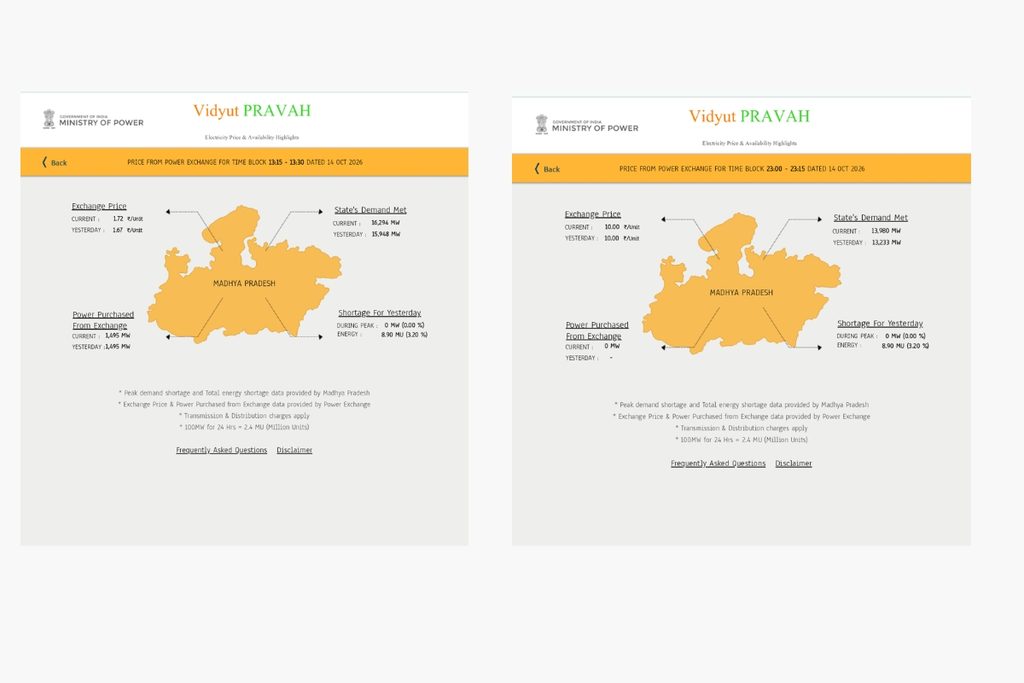
Live data from the Union Ministry of Power’s Vidyut Pravah portal showed that between 1:15 pm and 1:30 pm on October 14, Madhya Pradesh’s electricity demand stood at 16,294 megawatts. The national power exchange charged just ₹1.72 per unit, and the state bought an additional 1,495 megawatts.
The situation changed late at night. Between 11 pm and 11:15 pm, demand fell to 13,980 megawatts, but the exchange price climbed to ₹10 per unit. The state stopped making additional purchases.
These figures suggested that higher electricity prices at night, despite lower demand, may have contributed to load shedding on rural feeders.
Khichi said low domestic generation and the government’s reluctance to buy electricity at ₹10 per unit at night increased pressure to cut power in rural areas.
Agriculture Needs
The State’s Energy Minister Pradhuman Singh Tomar told the Free Press Journal that coal-based power generation typically fell by 1–2% during the monsoon. He said officials had directed power plants to maximise coal-based generation and restart units undergoing maintenance as soon as possible.
“The state has sufficient coal stocks. We are also using hydropower plants to meet electricity demand,” Tomar said.
He added that the government remained committed to providing farmers with 10 hours of electricity daily and supplying other consumers with power around the clock.
However, farmers in several districts said they did not receive even 10 hours of electricity. In Raisen, farmers reported receiving only two to four hours of power. In Rajgarh, farmers received adequate electricity for agriculture, but rural households continued to face power cuts.
Farmers were harvesting the kharif crop across the state and planned to begin sowing rabi crops in late October. They would need water for irrigation during the sowing season.
If the government failed to resolve the electricity crisis quickly, the power cuts could affect crops. The situation also risked worsening because several districts had received below-average rainfall, partly attributed to El Niño, and several reservoirs faced water shortages.
Support Us To Sustain Independent Environmental Journalism In India.
More Ground Reports
How One Word in Svamitva Scheme Triggered a Patwari Protest in Madhya Pradesh
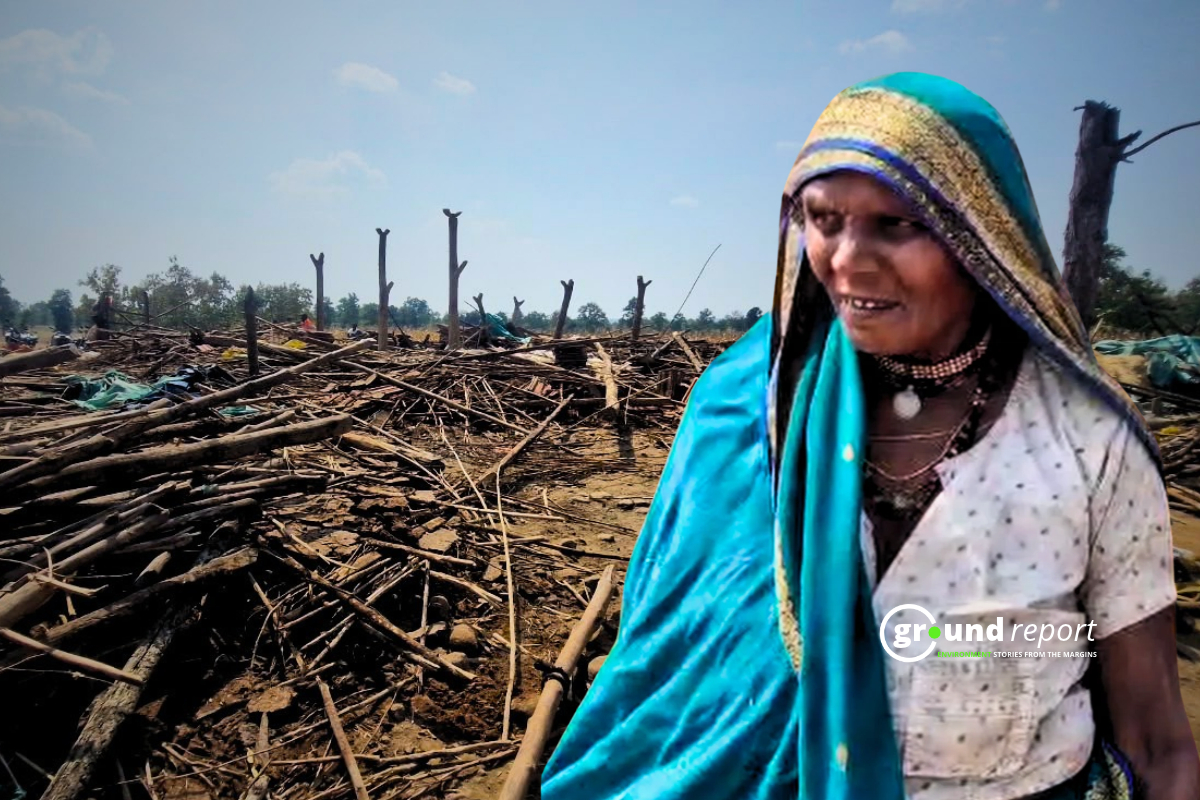
Tribal Homes Bulldozed in Madhya Pradesh’s Kosmi Amid Dispute Over Forest Rights
Stay Connected With Ground Report For Underreported
Author
Support Ground Report to keep independent environmental journalism alive in India
We believe climate change should be the basis of current discourse, and our stories attempt to reflect the same.
Connect With Us
Send your feedback at greport2018@gmail.com
Newsletter
Subscribe our weekly free newsletter on Substack to get tailored content directly to your inbox.
When you pay, you ensure that we are able to produce on-ground underreported environmental stories and keep them free-to-read for those who can’t pay. In exchange, you get exclusive benefits.
Your support amplifies voices too often overlooked, thank you for being part of the movement.