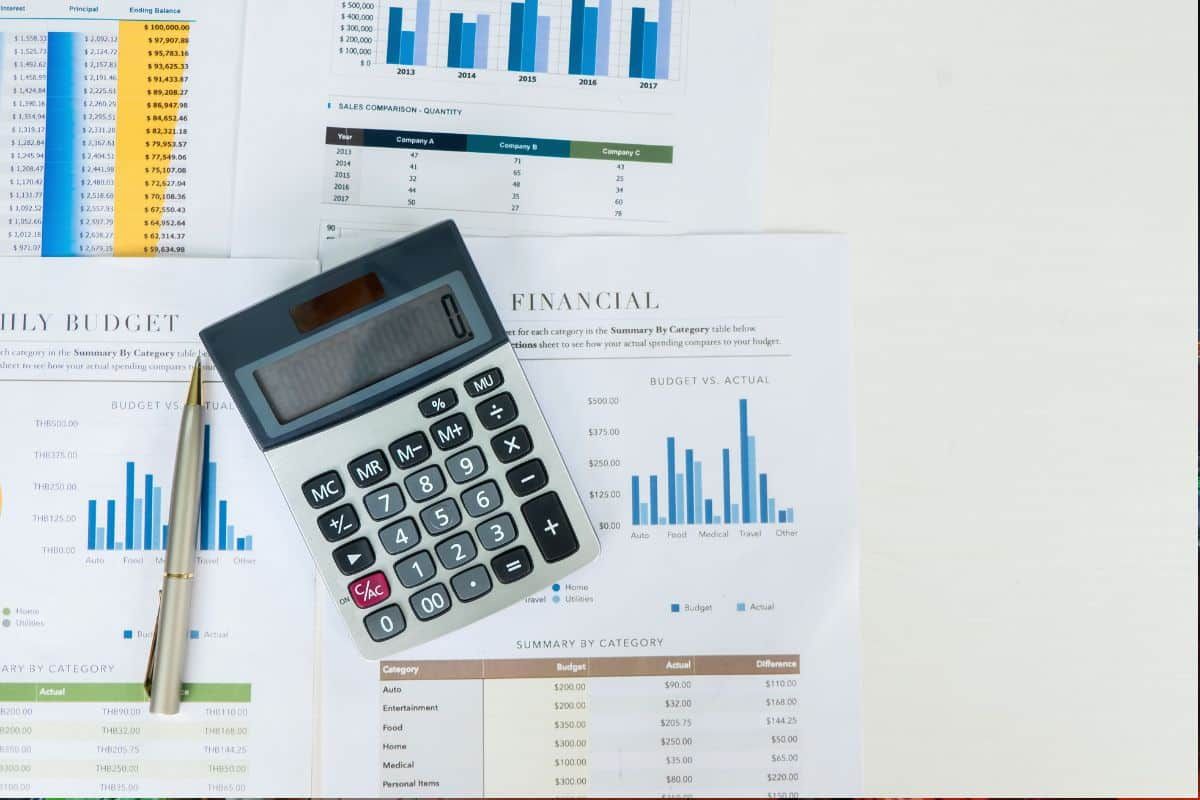
A bonus lands, and paying off the personal loan feels like the obvious move. It usually is, but not automatically. Whether prepaying actually saves money comes down to three specific things: what the lender charges for closing early, how much of the tenure is still left, and whether that same cash would do more sitting somewhere else entirely. None of that shows up without running the numbers first.
Quick Reads
The prepayment penalty for personal loans is typically in the range of 2-5% of the outstanding amount, depending on the lender.
On a reducing-balance loan, the interest is highest during the first few years, which gets cleared off much faster by prepaying.
The RBI rules prohibit banks from levying any prepayment charges on floating-rate loans to individuals for non-business purposes. However, fixed-rate loans might attract such charges as per the bank’s policy.
Closing a loan early can slightly shorten your credit history, though this rarely outweighs the benefit of lower debt.
Prepaying within the 1/3rd of the tenure tends to save the most interest overall, since that’s when the bulk of it is still unpaid.
Prepaying a personal loan is often assumed to be a sound financial decision by default, one that rarely gets questioned once surplus funds are available. That assumption is often correct, but not always. A large prepayment penalty can offset a substantial fraction of the anticipated savings, and the rate of return on the money saved by making the prepayment could exceed the value of the prepayment itself. To make the comparison, you need to run some simple calculations.
What is a Personal Loan Prepayment?
Prepayment means clearing part or all of a loan before its scheduled tenure ends. Two forms exist here. A partial prepayment reduces the outstanding principal with a lump sum while the loan continues running. Full foreclosure clears the entire remaining balance and shuts the account down completely. Most lenders open this option up after a minimum lock-in, usually six to twelve months post-disbursement, and many attach a fee to it, calculated as a percentage of whatever principal remains at the time. That charge is the lender protecting their own numbers, not doing the borrower a favor. Losing years of expected interest income isn’t something banks absorb quietly.
What are the Advantages of Paying off a Personal Loan Early?
Being free of debt sooner is only a small part of the story. The other part involves the impact on the cost of the loan itself and the possibility of investing the money elsewhere.
Lower Total Interest Outgo
Interest accumulates on the remaining balance of principal at all times, and reducing the principal amount early helps you save a lot of money much sooner than you expect. The amount saved will depend upon how much of a loan you have taken out and at what interest rate, but you will see the actual number once you calculate it yourself.
Shorter Debt Tenure
Fewer months of repayment means fewer months of financial commitment sitting on monthly cash flow. These circumstances are particularly challenging for those whose financial status has changed significantly since taking out the loan, resulting in the payment plan becoming too lengthy.
Reduced Financial Obligations
Closing one EMI clears up a monthly room that can go toward an emergency fund, an investment, or simply less juggling between repayments. Anyone managing more than one loan tends to feel this most, since removing even the smaller obligation eases the monthly balancing act.
Greater Flexibility for Future Borrowing
A closed loan improves the debt-to-income ratio lenders check when assessing new applications. That matters most if something larger is likely down the road, a home loan or a vehicle loan, since a cleaner repayment record tends to work in the borrower’s favor on both eligibility and rate.
When Can Early Loan Repayment be a Smart Choice?
Prepayment isn’t the right call in every situation. A few conditions tend to make it clearly worthwhile.
When You Have Enough Surplus Funds
Using emergency money to prepay defeats the point entirely. What goes toward this should be genuine surplus, separate from whatever’s already set aside for a medical bill, a job loss, or anything else that could otherwise force fresh borrowing at a worse rate.
When Most of Your Interest is Yet to be Paid
Because interest is front-loaded, prepaying early in the tenure saves far more than prepaying close to the end, when most of it has already been cleared through regular EMIs anyway. A loan two years in still carries considerably more unpaid interest than one nearing its final stretch.
When Prepayment Charges are Low
A lender charging little or nothing for prepayment makes this an easy decision. In cases where the rate is high, it may offset a good percentage of the interest savings, so this figure should be verified from the lender directly because it can’t be taken for granted.
When You Want to Reduce Your Debt Burden
Not every reason here is purely financial. Being free of a monthly obligation carries real weight for some borrowers, and that’s a fair reason to prepay even when the rupee savings are modest. Being debt-free a year or two earlier can matter more to some people than a marginally better return elsewhere.
What is the Process of Deciding to Prepay a Personal Loan?
Deciding whether to prepay a personal loan is best done by looking at the numbers rather than assuming that clearing debt early is always the better option. A few key calculations can help you understand whether prepayment makes financial sense for you:
Compute the total interest savings that will accrue from paying now and then use that number to compare with the fee charged by the lender on the remaining balance.
Take note of the remaining period of time on the loan, since there are fewer opportunities to save on the latter stages of the loan period.
Verify the actual balance instead of assuming that it is the same as the initial loan balance, because your usual EMI payments might already have settled a significant portion of it.
Consider the larger picture of finance and other debts or other objectives that you need to achieve before making up your mind about how to spend this amount.
Conclusion
Prepaying a personal loan can be a genuinely smart move, but only once the actual numbers get checked rather than assumed. Weighing interest saved against the prepayment charge, and confirming the money isn’t better used elsewhere, turns a gut call into an informed one. When the math lines up, prepayment can lighten the financial load sooner than the original schedule ever would have. And if a new personal loan is what brought you here in the first place, Finnable’s transparent terms make it easy to know upfront exactly what prepaying down the line would look like.
Ground Report. No journalist is involved in creating branded material and it does not imply any endorsement by the editorial team. Ground Report Digital LLP. takes no responsibility for the content that appears in branded articles and the consequences thereof, directly, indirectly or in any manner. Viewer discretion is advised.
Support us to keep independent environmental journalism alive in India.
Stay connected with Ground Report for underreported environmental stories.