Thirteen glaciers in Kashmir’s Sind Basin have ground features where water could collect as the ice retreats, creating the possibility of new glacial lakes, a new study found.
The study, published in August in the International Journal of Remote Sensing, examined glacier changes in the Sind Basin from 2000 to 2024. Researchers used satellite images, elevation data, and ice-thickness estimates to measure glacier loss and retreat.
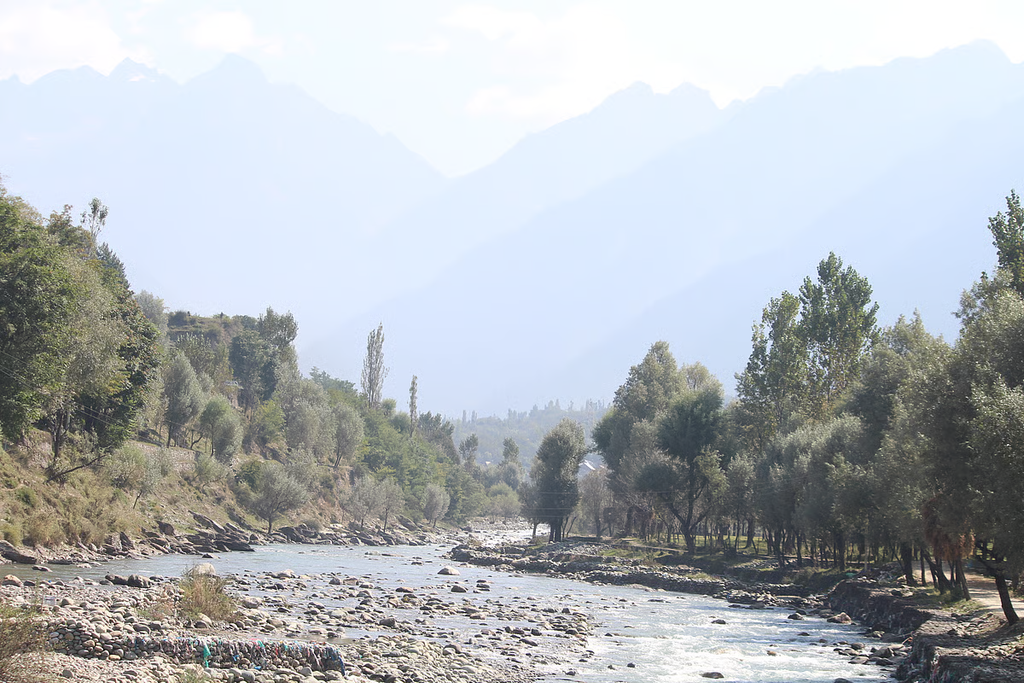
The Sind Basin lies in Ganderbal district in central Kashmir. The Sind River flows through the basin before joining the Jhelum near Shadipora. The basin has 89 glaciers, of which researchers examined 18 in detail.
The study also found that all 18 examined glaciers lost ice. Together, they covered 42.88 square kilometres in 2000. By 2024, their combined area had fallen to 34.3 square kilometres. That means they lost about 8.6 square kilometres, or one-fifth of their mapped area, over 24 years.
The study points to changes that could affect both the water stored in the basin and the terrain left behind by retreating glaciers.
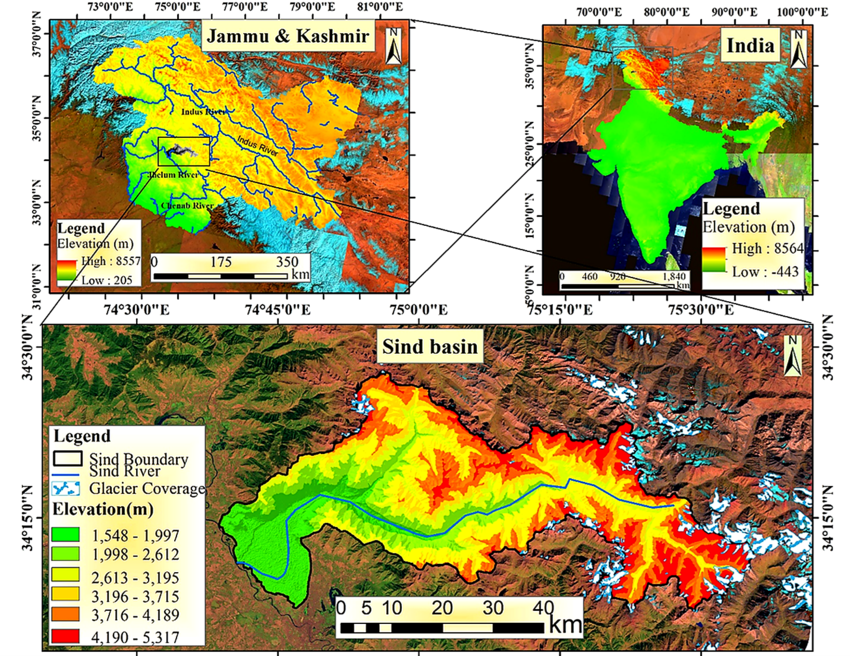
13 Glacier Sites Could Form Lakes
Kolohai Glacier retreated about 450 metres between 2000 and 2024. Nehnar lost an estimated 58.50 million tonnes of ice during 2000-2022, while Kolohai lost about 120.96 million tonnes.
Nehnar had the largest potential lake area, at about 0.2223 square kilometres. Kolohai had a potential area of about 0.0567 square kilometres.
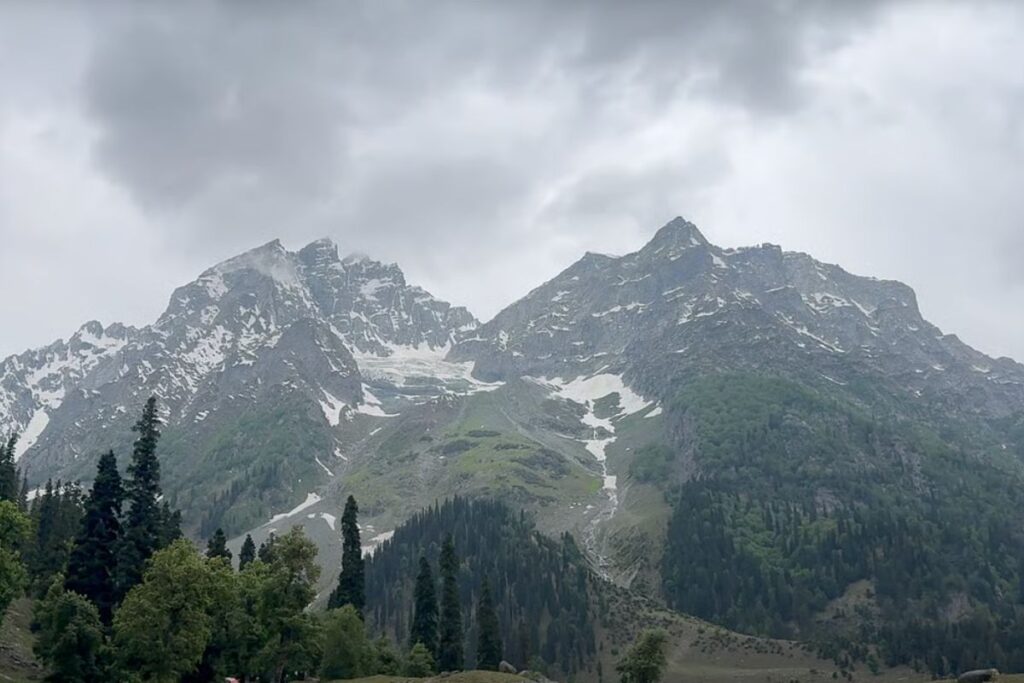
The changes are also visible at Thajiwas Glacier near Sonamarg. In our earlier report, we documented shrinking ice and reduced winter snow accumulation at the glacier. Thajwas retreated rapidly, with its lower end moving back about 413 metres between 2000 and 2024, or roughly 17.2 metres a year.
The study does not say that 13 dangerous lakes already exist. It identifies places near or beneath the glaciers where meltwater could collect if the ice continues to retreat.
Reasons
The study links glacier loss in the Sind Basin to rising temperatures, declining precipitation, and changes in aerosols. Temperatures increased by about 0.06°C a year between 1980 and 2024, while annual precipitation declined by about 6.14 millimetres a year.
The researchers found a decline in winter snowfall, leaving less snow to replace ice lost during warmer months.
The study also looked at aerosols, including black carbon. These particles can settle on snow and ice, darken the surface and make it absorb more heat, which can add to melting.
Jayanarayanan Kuttippurath, an associate professor at the Centre for Oceans, Rivers, Atmosphere and Land Sciences at the Indian Institute of Technology Kharagpur, said warming is the main large-scale driver.
“Warming is likely to be the dominant large-scale driver, while declining snowfall/precipitation and aerosols act as important amplifiers,” Kuttippurath said.
Negative Mass Balance
The study found that the glaciers had a negative mass balance, i.e., the glaciers lost more ice than they gained during these periods.
Glaciers store water as ice and release it as they melt. Ice loss can change the timing and amount of meltwater that reaches streams and rivers, especially in areas with limited water sources.
The study didn’t say that the Sind River or other downstream rivers will dry up. It shows that the basin is losing stored ice, which can change the amount and timing of meltwater reaching downstream areas.
Continued Monitoring of Glacier Size
The threat posed by these potential lakes would depend on their size, the stability of the surrounding slopes, and what lies downstream.
A separate 2026 study published in the Journal of Glaciology mapped 155 glacial lakes across the Kashmir Himalaya between 1992 and 2024. It found that the area of lakes in contact with glacier ice increased by 26% and identified five lakes with very high susceptibility to GLOFs.
The new Sind Basin findings add another set of sites that could change as glaciers retreat.
The researchers call for continued monitoring of glacier size, thickness, movement, and possible lake formation. Satellite images can track changes across the basin. Field surveys can check glacier fronts, newly exposed ground, and areas where water could collect.
Support Us To Sustain Independent Environmental Journalism In India.
More Ground Reports
He Was Married as a Child, Now Manish Dangi Helps Stop It for Others
Despite The Ban, How Gutkha Became MP’s Most Common Household Habit
Stay Connected With Ground Report For Underreported
Author
Support Ground Report to keep independent environmental journalism alive in India
We believe climate change should be the basis of current discourse, and our stories attempt to reflect the same.
Connect With Us
Send your feedback at greport2018@gmail.com
Newsletter
Subscribe our weekly free newsletter on Substack to get tailored content directly to your inbox.
When you pay, you ensure that we are able to produce on-ground underreported environmental stories and keep them free-to-read for those who can’t pay. In exchange, you get exclusive benefits.
Your support amplifies voices too often overlooked, thank you for being part of the movement.