
A place can experience flooding during the monsoon even when its overall rainfall is below normal. The recent situation in Rewa is an example.
According to India Meteorological Department (IMD) data available up to August 24, the district received 508.4 mm of rainfall between June 1 and August 24, against a normal rainfall of 726.5 mm for the period. This means rainfall was 30% below normal. Overall rainfall in eastern Madhya Pradesh was also 6% below normal.
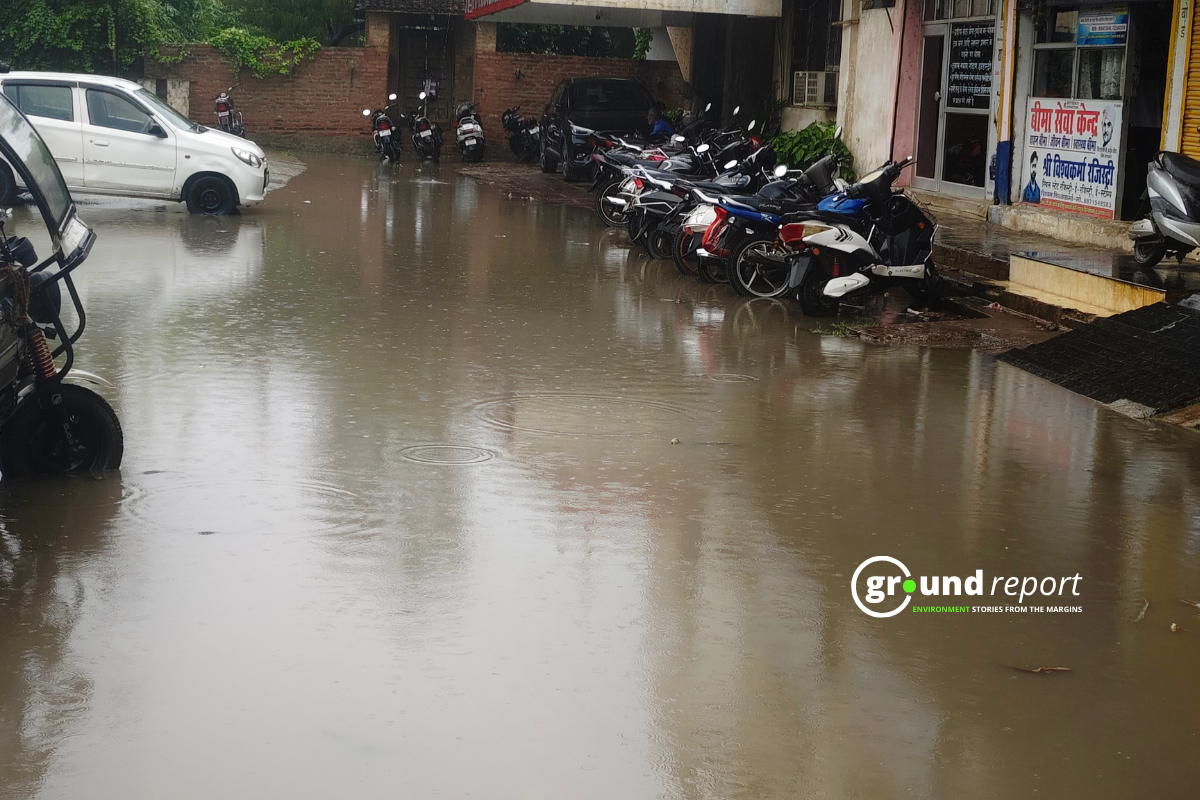
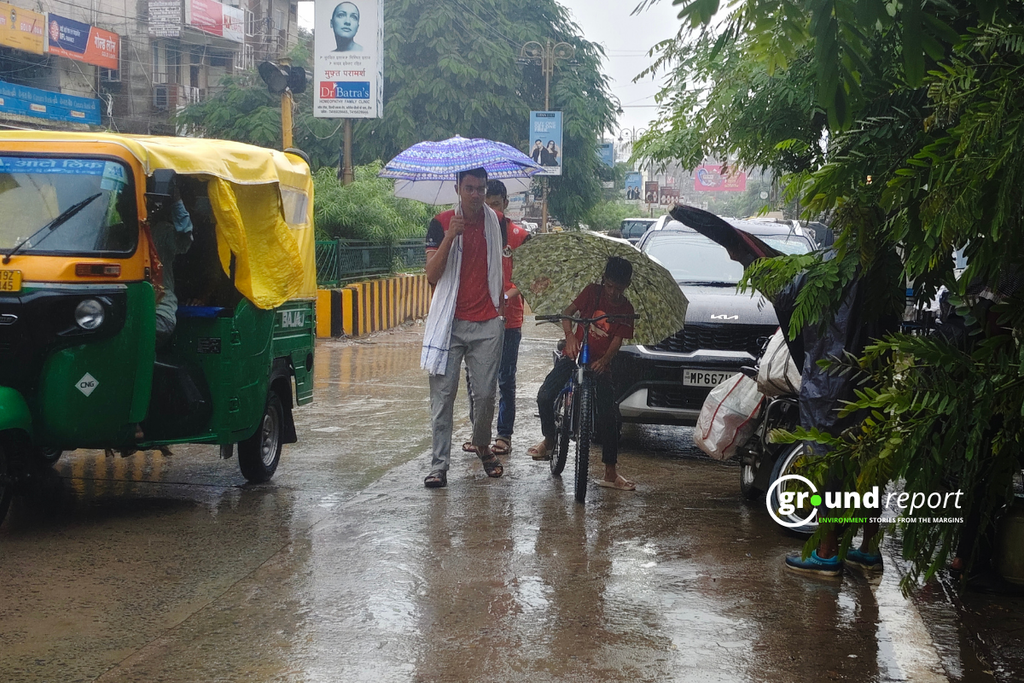
Despite this, several parts of Rewa were inundated after heavy rain in recent days, with floods affecting several parts of the district.
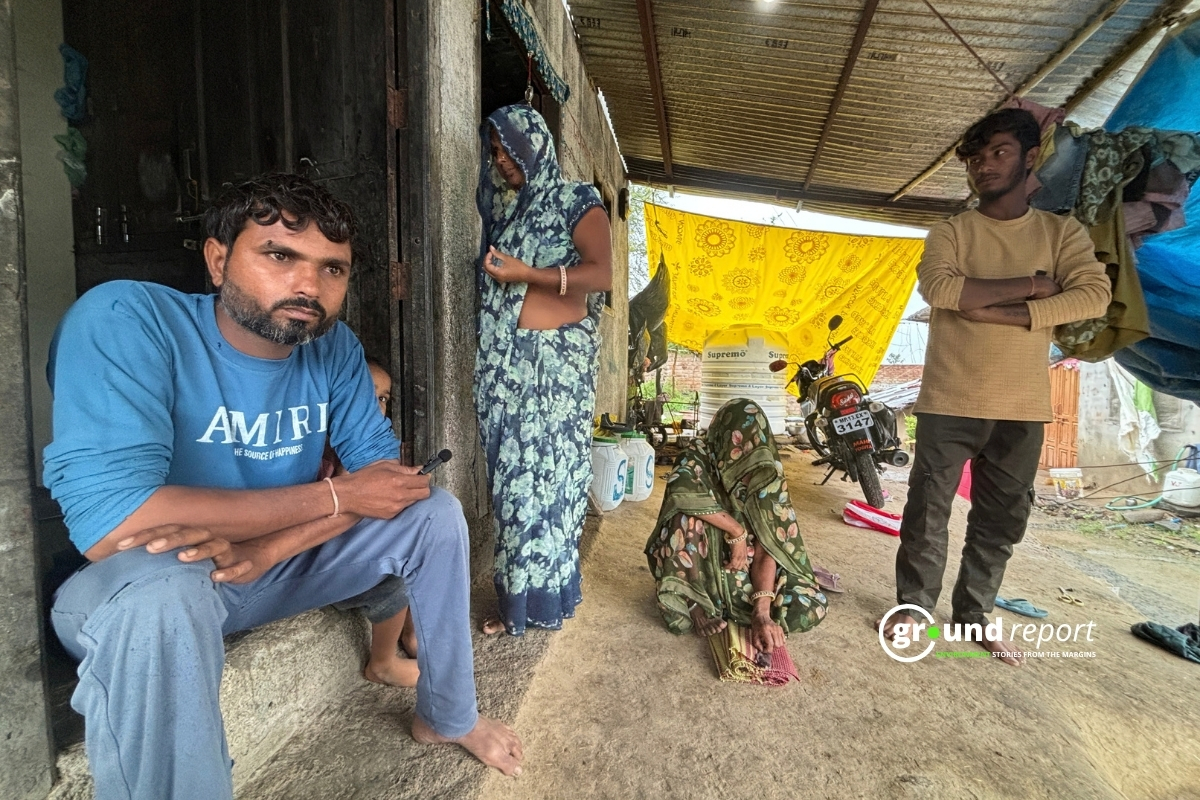
According to a Times of India report published on August 22, around 250 villages in Rewa district were affected, and nearly 5,000 houses were impacted after three days of heavy rainfall. The report, quoting Rewa Collector Narendra Suryavanshi, said that water released from nearby dams also contributed to the flooding.
The Beehar, Naina and Sarsi rivers were in spate, with their water flowing into the Tams river. Backwater from the Bansagar Dam, along with water from the Tams, also affected parts of Rewa city.
This raises the question: if rainfall over the entire monsoon season has been below normal, why can a few hours of heavy rain cause so much water to accumulate in the city?
River capacity and floodplains
According to Fayyaz Ahmad Khudsar, a scientist at Delhi Biodiversity Park, rivers play an important role in carrying rainwater away.
He said, “Rainwater ultimately reaches the sea through rivers. If a river’s ecosystem becomes weak and the river is unable to carry water according to its capacity, flooding can occur after rainfall.”
According to Khudsar, a river cannot be viewed simply as a flowing stream. Besides the flowing channel or waterway, a river has areas such as the riparian zone and floodplain.
The riparian zone is the area where water levels fluctuate, while the floodplain is the area over which a river spreads during high flows. Beyond this comes the embankment or elevated area.
Khudsar said construction should not take place in areas extending into the floodplain.
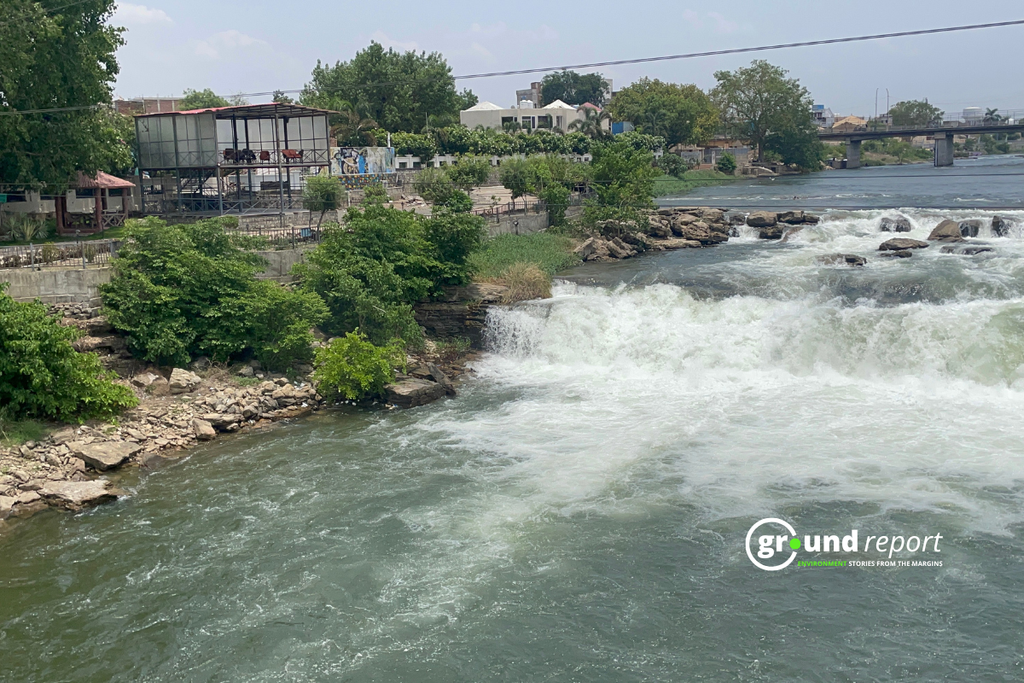
He said, “Grasslands and wetlands can be developed or restored in these areas. Construction in floodplains, riverbeds or other parts of a river can affect the river ecosystem’s ability to absorb and manage water.”
According to Khudsar, if a river is not able to carry excess water downstream into larger rivers, flash flooding can naturally occur.
Rewa is changing along the Beehar river
The Rewa Eco Park, built along the Beehar river, is a case that has come up in this context. The construction is permanent in nature and was carried out within 50 metres of the river’s floodplain.
Amit Singh Baghel, who obtained information about the construction through an RTI application, had earlier told Ground Report, “This construction should not have happened. This eco-park gets submerged during every major flood.”
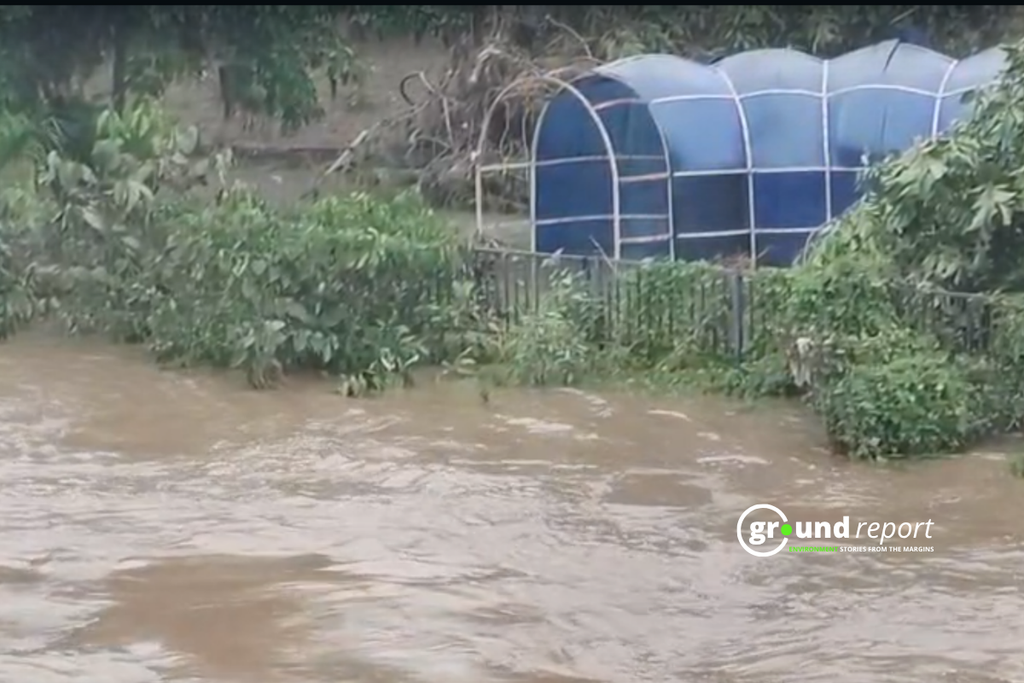
The issue has come back into focus after the eco-park was submerged during the recent flooding.
According to environmental expert Dr Mukesh Yangal, the Beehar is one of Rewa’s major rivers. He said water from the Son river is brought from the Bansagar Dam into the Beehar through a canal. The river then flows through Rewa city, and near Chachai, its water is used for power generation.
Yangal said, “As Rewa’s population has increased over the past few decades, land use in the city has also changed. Areas that once had ponds and gardens now have houses and colonies.”
He also referred to encroachments around ponds and along riverbanks.
According to him, the expansion of settlements along both banks of the Beehar has reduced the space available for the river to spread. Yangal said Rewa has experienced three major flood events over the past 30 years, affecting houses built along the river.
He said, “The district once had a large number of ponds, but colonies and other construction have now come up around many of them.”
The situation in Rewa this year shows that flooding cannot be understood simply by looking at the total amount of rainfall received during the monsoon.
Seasonal rainfall in the district has remained below normal, but intense rainfall over a short period, rising river levels and water released from dams, combined with the way land has been used and developed around rivers, led to waterlogging and flooding in several parts of the city.
According to experts, construction and land-use changes in river floodplains, riverbeds and surrounding areas are therefore an important part of understanding why Rewa flooded despite below-normal rainfall.
Support Us To Sustain Independent Environmental Journalism In India.
More Ground Reports
He Was Married as a Child, Now Manish Dangi Helps Stop It for Others
Despite The Ban, How Gutkha Became MP’s Most Common Household Habit