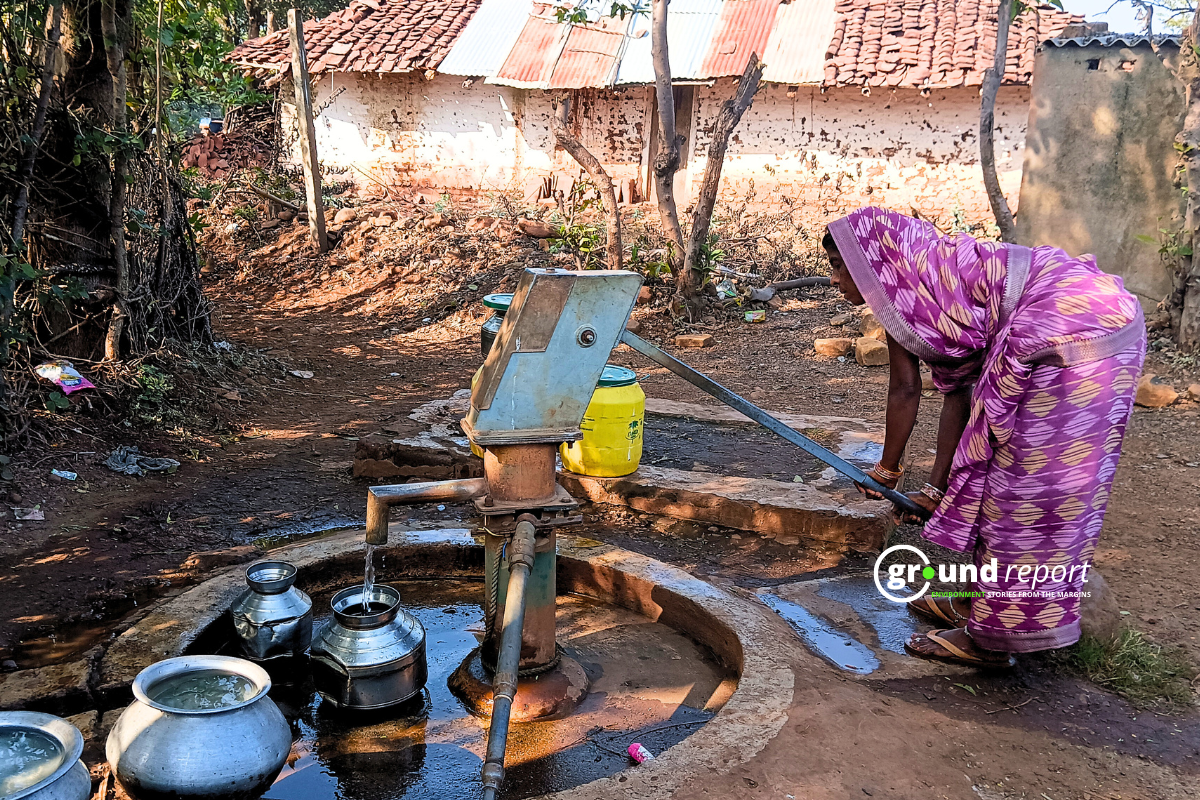
More than 157 million rural households across India now have tap water connections under the government’s Jal Jeevan Mission, according to data presented to Parliament this week. The program has transformed water access in villages since its launch in August 2019.
Union Minister of State for Jal Shakti V Somanna told the Lok Sabha that 81.36 percent of India’s 193.6 million rural households now receive tap water in their homes. When the mission started, only 32.3 million households had tap connections, just 17 percent of rural homes.
The government has added 125.2 million new tap water connections since the program began. Work continues on the remaining 36.9 million households at various stages of completion.
Eleven states and union territories have achieved complete coverage. Gujarat, Goa, Haryana, Punjab, and Telangana report that all rural households now have tap water connections. Arunachal Pradesh, Himachal Pradesh, and Mizoram also reached full coverage after starting with low baseline numbers.
Progress varies widely across states. Bihar achieved 95.71 percent coverage after providing water to 157 million households since the mission started. The state began with only 1.89 percent coverage. Uttar Pradesh reached 90.84 percent coverage, connecting 237 million households.
Several states lag behind the national average. Kerala sits at 54.76 percent coverage despite starting at 23.51 percent. Jharkhand reached 55.09 percent, and West Bengal stands at 56.45 percent. Rajasthan reports 57.54 percent coverage.
An independent assessment conducted in 2024 revealed gaps between connections and actual water delivery. The survey found that 98.1 percent of households in fully covered villages had tap connections. However, only 87 percent reported receiving water in the past week.
The functionality assessment showed that 84 percent of households receive water on schedule. Eighty percent get the minimum required 55 liters per capita per day. Water quality testing found 76 percent of households had water free from bacterial contamination, while 81 percent had water without chemical contamination.
Taking all factors together, quantity, quality, and regularity, the assessment determined that 76 percent of tap connections function properly.
The government has implemented several monitoring systems to improve implementation. These include linking household connections to Aadhaar identification numbers, geo-tagging of infrastructure, third-party inspections before releasing payments, and sensor-based water monitoring systems in some villages.
The department created village and district dashboards to track progress. Officials established regular review meetings with district collectors and deployed national water and sanitation experts to support state programs.
The mission operates as a partnership between the central government and states. Each state follows its own saturation plan to complete coverage in remaining areas.
Support us to keep independent environmental journalism alive in India.
Keep Reading
Small Wild Cats in Big Trouble: India’s First National Report Released
After Tragedy, Families Face Delays in Tiger Attack Compensation
Stay connected with Ground Report for underreported environmental stories.