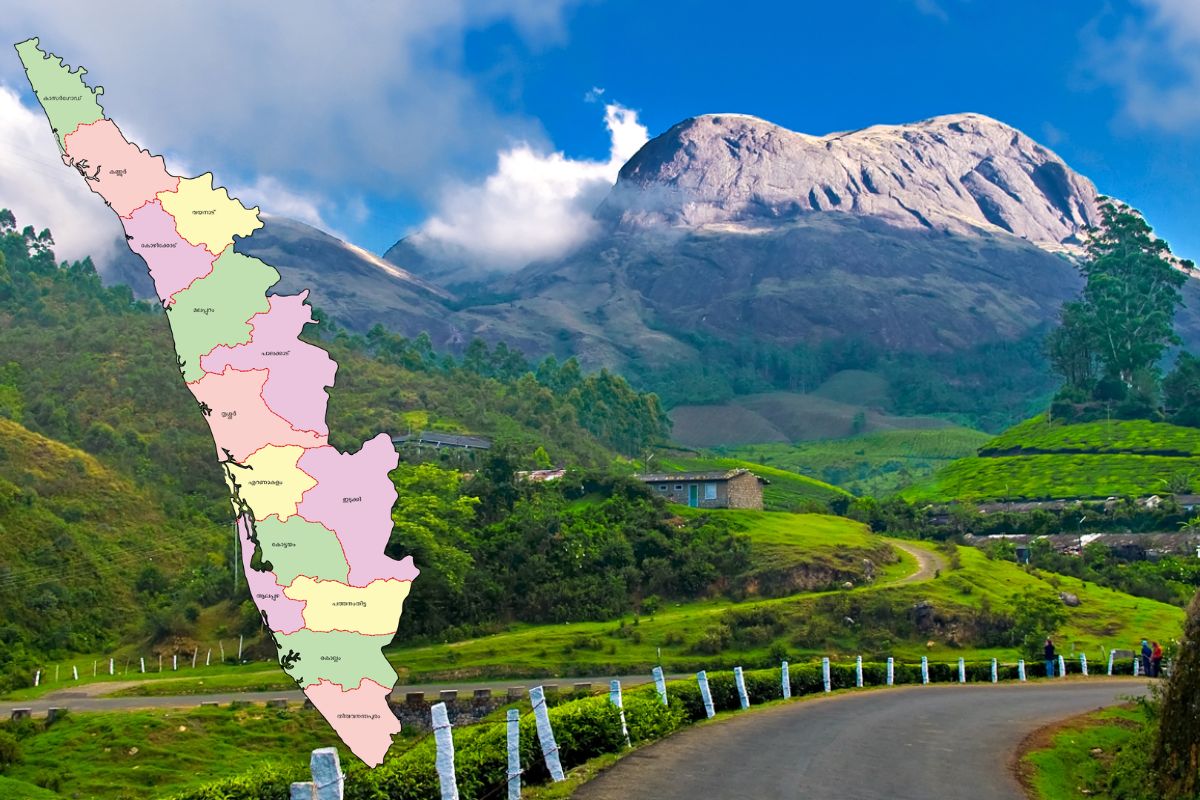
The Union Cabinet is set to approve a constitutional amendment that would officially rename the southern state of Kerala to “Keralam,” honouring its Malayalam-language roots and a demand that dates back to India’s freedom struggle.
The Kerala Legislative Assembly unanimously passed a resolution on June 24, 2024, urging the Union Government to amend the Constitution and change the state’s name from “Kerala” to “Keralam.” The move requires Parliament’s approval under Article 3 of the Constitution of India, which governs the formation and renaming of states.
The Union Cabinet is now likely to approve a bill at its latest meeting held for the first time at Seva Tirtha, the new office of Prime Minister Narendra Modi. The previous cabinet meeting took place on February 13 at South Block, hours before the Prime Minister’s office shifted to the new location.
Why Kerala Wants to Be Called Keralam
The push to rename the state is not new. It carries historical weight rooted in language, identity, and the politics of statehood.
Chief Minister Pinarayi Vijayan, who moved the resolution in the Kerala Legislative Assembly, explained that “Keralam” is the correct form of the state’s name in Malayalam the language spoken by nearly all of Kerala’s 33 million residents.
“The name of our state is written as Kerala in the First Schedule of the Constitution,” Vijayan said. “This Assembly requests the Centre to take immediate steps to amend it as ‘Keralam’ under Article 3 of the Constitution and have it renamed as ‘Keralam’ in all the languages mentioned in the Eighth Schedule of the Constitution.”
The Chief Minister also noted that the demand for a unified Malayalam-speaking state referred to as “Keralam” in the local language had been part of the national freedom struggle. Kerala was formed on November 1, 1956, under the States Reorganisation Act, which merged Malayalam-speaking regions into a single state.
How the Rename Would Work
Renaming a state in India requires a constitutional amendment. Under Article 3 of the Constitution, Parliament must pass a bill to alter a state’s name. The President of India must also refer such a bill to the concerned state legislature before it is introduced in Parliament.
The Kerala Legislative Assembly first passed a resolution on August 2023 requesting the name change. However, the Union Home Ministry reviewed it and suggested technical modifications. The assembly passed a revised resolution for the second time on June 25, 2024, incorporating those changes.
After that revision, the Union Cabinet is now expected to clear the bill. Once the Cabinet approves it, Parliament will need to pass the amendment to make “Keralam” the state’s official name replacing “Kerala” as it currently appears in the First Schedule of the Constitution.
The change, if passed, would also update the name in all languages listed in the Eighth Schedule of the Constitution, which currently recognises 22 official languages.
When and Where the Decision Is Being Made
The Union Cabinet meeting where this decision is expected took place at Seva Tirtha the new Prime Minister’s Office and Cabinet Secretariat. It marked the first cabinet session at this location. Union ministers were asked to arrive early ahead of a scheduled photo session before the meeting.
Kerala is due to hold assembly elections before May, with voters choosing 140 members of the state legislative assembly. The Election Commission of India has not yet announced official polling dates.
What Changes and What Stays the Same
The rename does not alter the state’s borders, governance, or administration. It is a linguistic and constitutional correction. Kerala will remain the same state, with the same capital Thiruvananthapuram, the same 14 districts, and the same two-party political structure dominated by the Left Democratic Front and the United Democratic Front.
What changes is the written record how the state appears in the Constitution, in official government documents, and in every language India officially recognises.
sFor millions of Malayalam speakers, the shift from “Kerala” to “Keralam” is less a political act and more a long-overdue correction. The state has been called Keralam in its own language since before it was a state at all.
Support Us To Sustain Independent Environmental Journalism In India.
Keep Reading
Highway Halt Puts Kashmir’s Fruit Economy at Risk
Railway line expansion plan put Kashmir’s apple orchards at risk
Warmer winters in Kashmir raise concerns over apple and crop yields