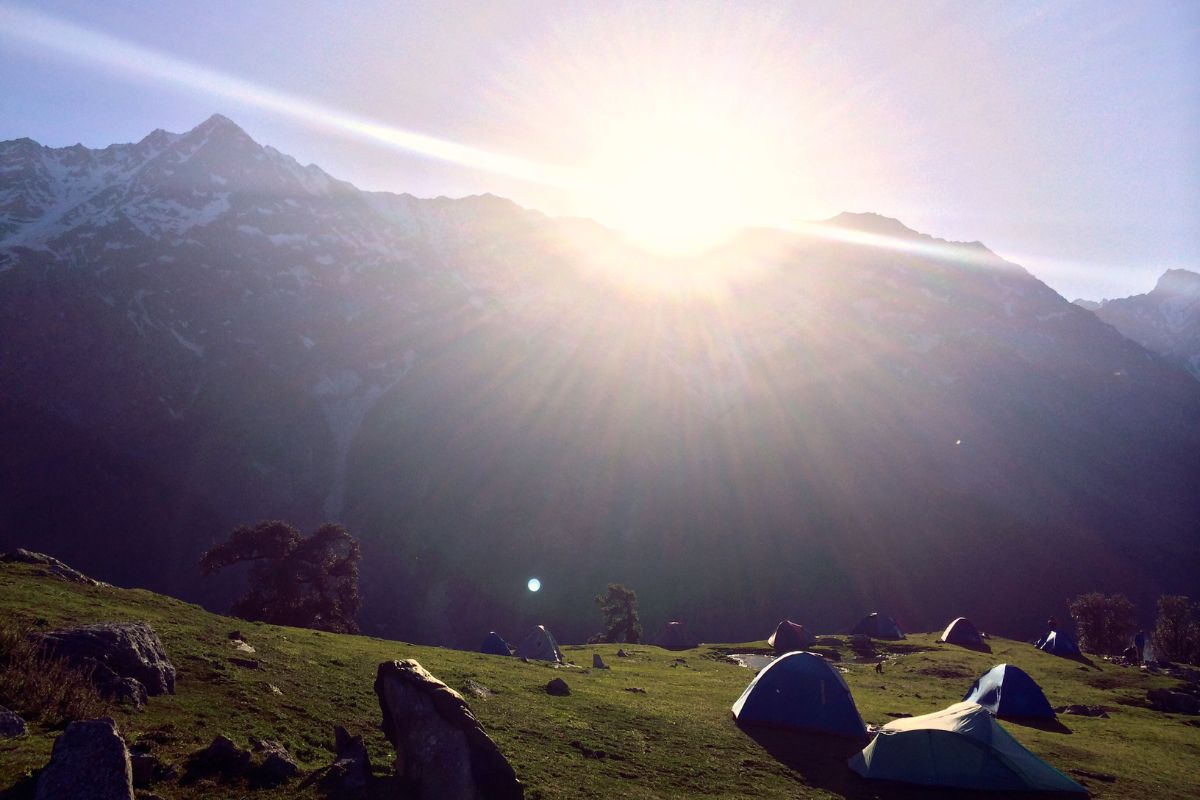
The Himachal Pradesh government has handed over management of the Triund trek in Kangra district to private operators. The Forest Department, which previously managed the route, has initiated a tender process to select a private operator. Tenders were opened on March 27, after which the selected operator will take charge of tourist entry and trek operations.
Triund sits at 2,850 metres above sea level in the Dhauladhar ranges above McLeod Ganj. The trail draws trekkers with its views of the snow-covered Dhauladhar ranges and Kangra Valley. Rising footfall over recent years has pushed the government to tighten management of the route.
New Fees and Rules You Must Know
Every tourist must now register at the Galu check post before starting the trek. Entry without a valid receipt will attract a fine of ₹5,000.
The Forest Department has fixed the following charges:
| Category | Fee |
|---|---|
| Entry fee per tourist | ₹100 per person |
| Tent camping | ₹275 per day |
| Fine for no valid receipt | ₹5,000 |
| Local residents with traditional rights | No charge |
The department has made clear that private operators cannot raise these rates on their own. The fees are fixed by the Forest Department and are non-negotiable. Local people who hold traditional rights over the area are exempt from all charges.
What Trekkers Need to Know Before They Go
The trek starts from Gallu Devi Temple, around 2–3 km from McLeod Ganj market. The trail covers 9–10 km and takes around 4–5 hours for an average walker. It passes through oak and rhododendron forests before opening onto a wide ridge with Himalayan views.
The best time to visit is March to June and again from September to November, when the weather stays pleasant and trails remain clear. Monsoon months, July and August, bring slippery paths and should be avoided.
Trekkers should carry valid ID, keep their entry receipt throughout the trek, and register at the check post before beginning. The privatisation move aims to reduce overcrowding, maintain trail conditions, and improve the experience for visitors.
Support Us To Sustain Independent Environmental Journalism In India.
Keep Reading
Highway Halt Puts Kashmir’s Fruit Economy at Risk
Railway line expansion plan put Kashmir’s apple orchards at risk
Warmer winters in Kashmir raise concerns over apple and crop yields
Stay Connected With Ground Report For Underreported Environmental Stories.