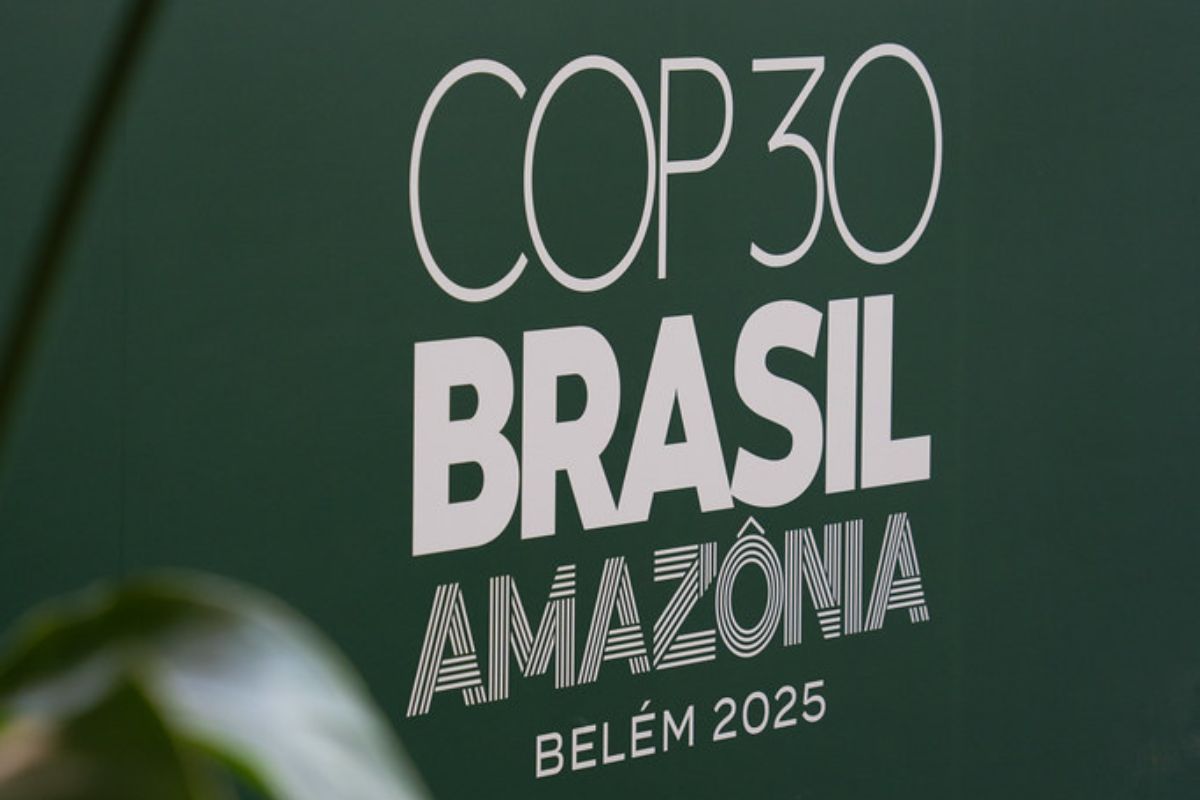
World leaders, negotiators, and climate experts have gathered in Belém, Brazil, for COP30, the 30th Conference of the Parties to the UN Framework Convention on Climate Change. The two-week summit, running from November 10 to 21, is taking place in the Amazon and is being called a “COP of adaptation.” The aim is to strengthen international cooperation and accelerate climate action ten years after the Paris Agreement.
Renewed call for multilateral cooperation
Brazil, the host, has set out to restore global trust in multilateralism as a foundation for stronger climate outcomes. The COP30 presidency, led by André Corrêa do Lago, has called for delegates to embrace mutirão, a Portuguese word meaning collective effort. The focus, he said, is on “working together for shared progress.”
Bhupender Yadav, India’s Minister of Environment, Forest and Climate Change, said adaptation will be at the centre of talks. “Adaptation will be a key issue,” Yadav said in a briefing ahead of the conference. With extreme weather events intensifying worldwide, countries are under pressure to implement adaptation measures that protect lives and livelihoods.
The summit also coincides with growing concern over unmet financial pledges. Developing nations argue that richer countries have yet to deliver on commitments to provide $100 billion annually for climate action. Many are calling for fairer access to climate finance and technology to help vulnerable populations prepare for worsening impacts.
Forests, new Tropical Forest Forever Facility
As the host country and home to the Amazon, Brazil is pushing forests to the top of the agenda. President Luiz Inácio Lula da Silva has launched the Tropical Forest Forever Facility (TFFF), a new global fund designed to pay countries to preserve their tropical forests. The initiative seeks to change the economics of forest conservation by rewarding nations that keep forests intact instead of exploiting them.
India has announced it will join the TFFF as an “Observer.” This participation aligns with India’s broader goal of promoting sustainable land use and biodiversity conservation. The move signals growing cooperation between developing countries in shaping the global climate agenda.
Lula da Silva has described forest protection as a global responsibility, noting that the Amazon’s health is essential for stabilising the planet’s climate. “We need all nations to act together,” he said earlier this year. Brazil hopes the facility will attract both public and private investment to reach its $125 billion target over time.
Focus on adaptation and implementation
Another key focus at COP30 is the Global Goal on Adaptation (GGA), first established under the Paris Agreement. Delegates are expected to agree on measurable indicators to track progress through the new UAE–Belém work programme. The goal is to enhance resilience, strengthen adaptive capacity, and reduce vulnerability across regions.
Research institutions are also contributing to the discussion. The CGIAR Multifunctional Landscapes (MFL) Science Program is highlighting how integrated, science-based solutions can advance adaptation. Its work connects climate action with biodiversity, soil restoration, and food security. Through side events, CGIAR aims to show how climate-resilient farming and nature-based approaches can support the GGA.
The Brazilian presidency has emphasised that this COP should be about results. “Implementation is where credibility lies,” said one official brief. The challenge for negotiators will be translating commitments into action, especially as climate impacts grow more severe each year.
India’s evolving role and global expectations
India is expected to showcase its progress in renewable energy and may present updates on its National Adaptation Plan (NAP) and Nationally Determined Contributions (NDCs). Though these are not formally tied to COP30, India’s participation reflects its growing influence in global climate governance.
However, India has yet to release its 2035 NDC targets, a requirement under the Paris framework. With the United States absent from the negotiations, China and India are expected to play more prominent roles in shaping the outcome.
Marina Silva, Brazil’s Minister of Environment and Climate Change, said the world must rebuild trust in global cooperation. “COP30 is our chance to strengthen climate multilateralism, rebuilding solidarity in a difficult geopolitical environment,” she said.
As talks begin in Belém, delegates face the challenge of turning promises into measurable progress. For communities already facing floods, droughts, and rising temperatures, the urgency of adaptation is no longer theoretical, it is a matter of survival.
Support us to keep independent environmental journalism alive in India.
Keep Reading
Elephants Are Back in MP After a Century, But Can They Stay?
Solar Energy – A Paradigm Shift in Wildlife Conservation
Stay connected with Ground Report for underreported environmental stories.