The National Green Tribunal has issued sweeping directions across Madhya Pradesh after contaminated drinking water caused multiple deaths and widespread illness in Indore. The Central Zone Bench in Bhopal passed orders on January 15 following two separate applications highlighting severe failures in the state’s water supply system.
Justice Sheo Kumar Singh and Expert Member Ishwar Singh conducted the hearing through video conferencing. The tribunal constituted a six-member committee to investigate water contamination across the state and submit findings within six weeks.
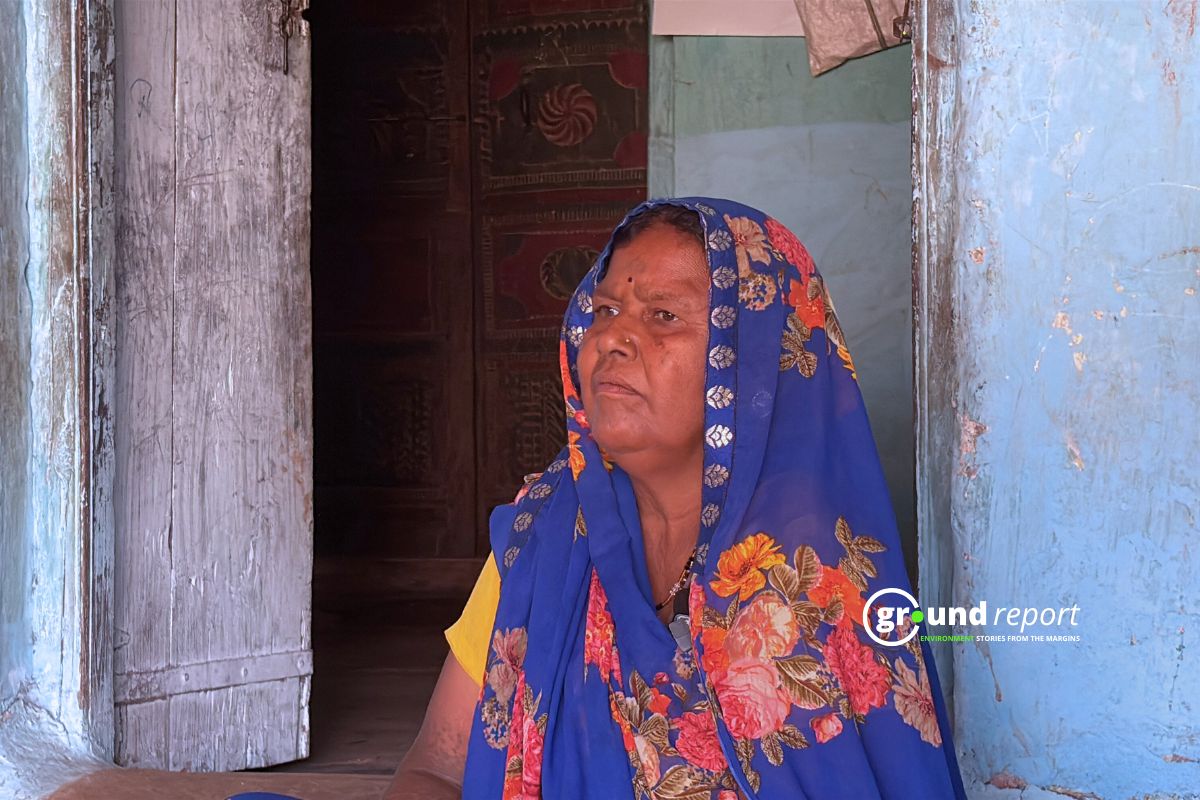
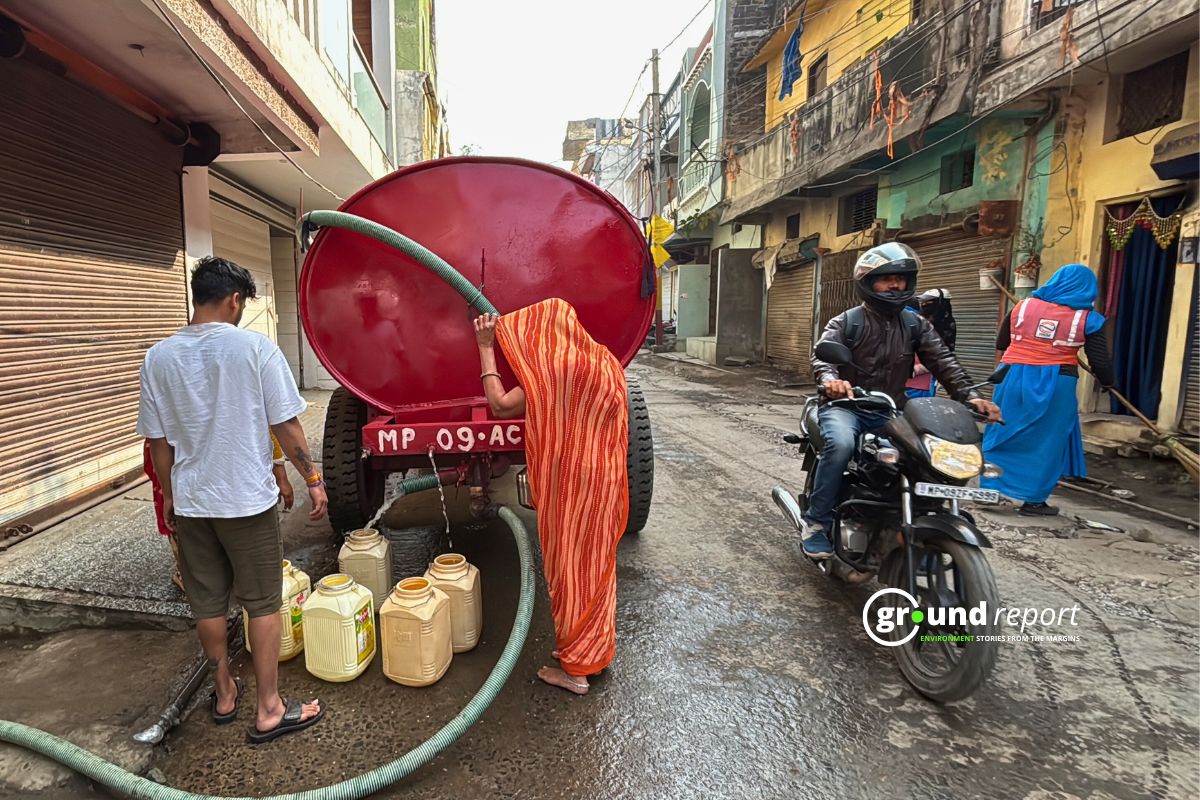
During the last week of December 2025, residents of Bhagirathpura area in Indore received severely contaminated water through municipal pipelines. The incident triggered a large-scale outbreak of waterborne diseases.
Several people required intensive care treatment. Multiple deaths occurred, including infants and elderly persons. Laboratory tests confirmed the presence of Vibrio cholerae, faecal coliform, and E. coli in the drinking water supply.
The contamination resulted from aging pipelines, poor maintenance, and unsafe alignment of water and sewer lines. Residents had filed repeated complaints about foul-smelling water, but authorities took no action. Tenders for replacing compromised pipelines had been issued years earlier but were never executed.
Why Water Gets Contaminated
Senior advocate Harpreet Singh Gupta appeared for petitioner Kamal Kumar Rathi. He told the tribunal that faecal coliform levels in Bhopal’s ponds had reached dangerous concentrations of 1,600 ml.
“Leaking sewage lines contaminating drinking water pipelines amounts to a direct violation of Article 21 of the Constitution, which guarantees the right to life,” Gupta argued before the tribunal.
The tribunal found that drinking water pipelines and sewerage lines are laid dangerously close to each other across multiple cities. In several instances, water pipelines run below sewer lines or drains. Intermittent water supply creates negative pressure within pipelines, allowing contaminated water to seep inside.
A news report revealed that all five major ponds supplying water to Bhopal are contaminated. These water bodies serve over five lakh residents.
The tribunal noted that similar contamination risks exist in Bhopal, Khargone, Ujjain, Gwalior, Rewa, and Satna. This indicates a statewide public health threat rather than an isolated incident.
According to national data cited by the tribunal, nearly two lakh people die annually in India due to contaminated drinking water. Between 2005 and 2022, India recorded over 209.8 million cases of waterborne diseases including diarrhea, cholera, typhoid, and viral hepatitis.
How The Problem Will Be Fixed
The tribunal formed a joint committee comprising representatives from IIT Indore, Central Pollution Control Board Bhopal, Environment Department, Urban Administration Department, Water Resources Department, and Madhya Pradesh Pollution Control Board. The MP Pollution Control Board will serve as the nodal agency.
The committee must visit affected sites and submit factual and action-taken reports within six weeks. Copies of the tribunal’s order have been sent to all district collectors and municipal commissioners across Madhya Pradesh.
The tribunal issued extensive statewide directions. Municipal corporations must develop a 24-hour mobile application for water supply complaints and monitoring. All water supply must be metered. Overhead tanks and sumps must be regularly cleaned and chlorinated.
The directions mandate pre-chlorination, post-chlorination, and aeration of water supplies. Encroachments around water bodies must be removed. Construction activities during summer months will be regulated with ward-wise water supply planning.
The tribunal ordered GIS-based mapping of all drinking water and sewerage networks to identify contamination points. Rainwater harvesting schemes must be implemented with punitive measures for non-compliance. Dairies with more than two milking cattle must relocate outside city limits within four months.
Idol immersion in water bodies that supply drinking water is now prohibited. A robust management information system will share water quality reports, supply schedules, and grievance redressal mechanisms with consumers.
The tribunal scheduled the next hearing for March 30, 2026. The state government, Madhya Pradesh Pollution Control Board, and all urban local bodies are held accountable for ensuring safe drinking water access.
The tribunal emphasized that contaminated drinking water violates the Water Act, Environment Protection Act 1986, and constitutional right to life under Article 21.
Support us to keep independent environmental journalism alive in India.
Keep Reading
Small Wild Cats in Big Trouble: India’s First National Report Released
After Tragedy, Families Face Delays in Tiger Attack Compensation
Stay connected with Ground Report for underreported environmental stories.