The old investment playbook is getting a bit dusty. While we’ve all been busy tracking volatile mid-cap stocks or watching our city apartment rentals stagnate, something quiet has been happening in the countryside. Agricultural land has been outperforming almost everything else.
But I’m not talking about the old way of buying farmland as an investment, where you’d buy a plot, pray no one encroached on it, and struggle to find a reliable person to plow the soil. No, 2026 is the era of the “Hybrid Asset.”
I’m talking about managed farms. It’s the perfect mix of a high-growth real estate asset, a sustainable business, and a luxury lifestyle product. If you’ve been looking to invest in managed farmland near Bangalore or other hubs like Hyderabad and Pune, you’re hitting on a trend that is less of a “fad” and more of a total financial correction.
Why Managed Farmland Is an Alternative Investment
| The Asset Layer | What it Delivers | Why it’s “Hybrid” |
| Alternative Real Estate | Steady appreciation & inflation hedge. | It’s a limited, tangible resource. |
| Sustainable Business | Passive income from timber (Sandalwood/Mahogany). | Tax-free agricultural returns. |
| Lifestyle Product | Weekend stays, clubhouses, and fresh air. | It’s a “resort” you actually own. |
The Growing Interest in Farmland Investment
Globally, agriculture investment is seeing a massive surge. In mature markets like North America, farmland delivers around 8–12% annual returns. But in India? We are seeing even better numbers.
In micro-markets, especially if you invest in managed farmland near Bangalore, investors are seeing annualized growth of 12–15%. This is driven by the fact that India has roughly 141 million hectares of agricultural land, yet the “organized” managed sector is still early-stage. Buying in now is like buying land in Indiranagar in the 90s, the potential for capital appreciation is massive because the supply of good, managed land is strictly limited.
What Is Farm-as-a-Service (FaaS)?
The biggest barrier to investing in agricultural land used to be the “daily grind.” Who has the time to go check on fences or deal with local labor?
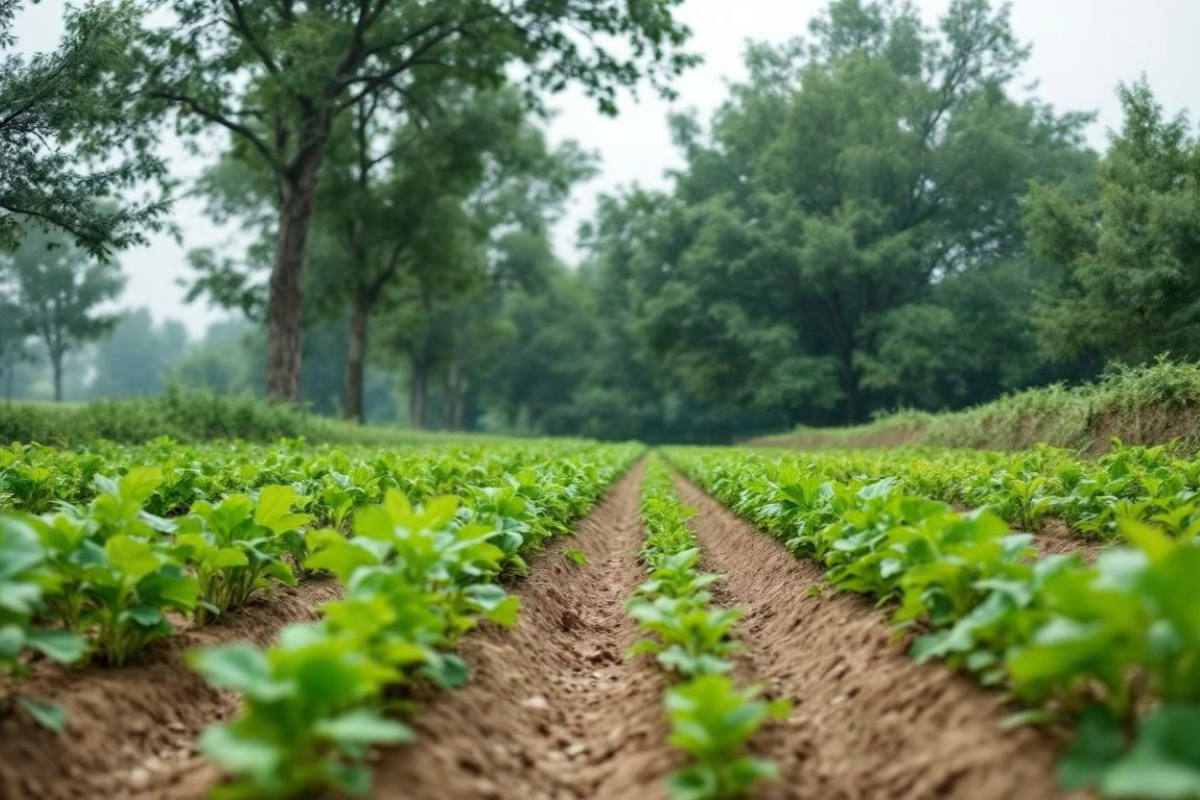
This is where farmland asset management changes the game. Today, busy professionals (doctors, techies, startup founders) are using the “Passive Professional” model. Management companies handle everything. Cultivation, security, compliance, and harvesting. You own the land; they do the “mud work.” It’s essentially a hands-off farm investment that pays you back in both peace of mind and literal harvests.
How Managed Farmland Combines Agriculture and Lifestyle
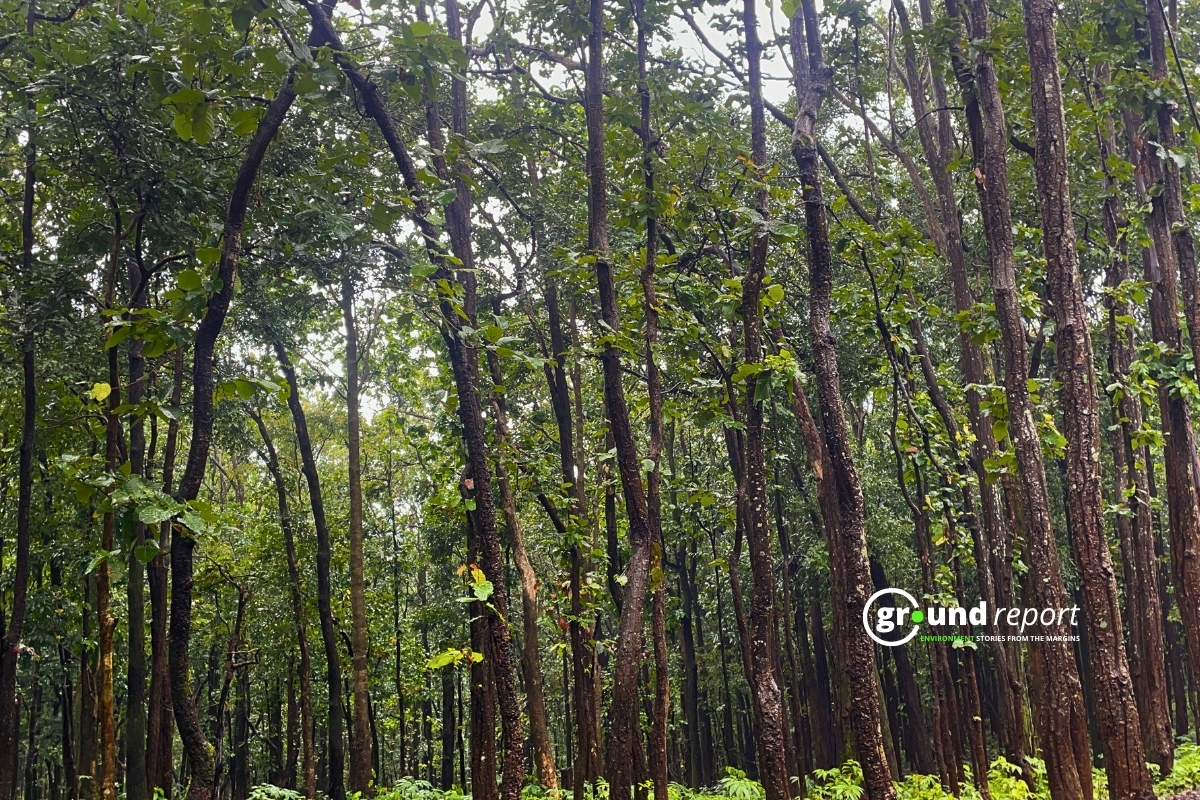
Ownership isn’t just about a paper deed anymore. Today’s managed farms are serviced estates. Imagine a plot that comes “pre-loaded” with high-value timber like Red Sandalwood or fruit orchards.
But wait, it gets better. Projects also includes:
. 5-star clubhouses and swimming pools.
. CCTV surveillance and 24/7 gated security (no more encroachment fears!).
. Walking trails and holiday cottages for weekend “resets.”
It transforms your agriculture investment into a free holiday home that actually makes you money while you sleep. Talk about a status symbol that actually pays for itself!
How Technology Is Making Farmland Investment More Transparent
Let’s talk about transparency. I know, buying land in India used to feel like a gamble. But tech has fixed that.
. Satellite Due Diligence: Some platformslet you check soil health and water levels from your phone before you even visit the site.
. Digital Records: Systems like Bhoomi (Karnataka) and Dharani (Telangana) mean you can verify titles and transaction history instantly.
. Marketplaces: You can now browse verified managed farms, just like you’d browse for shoes on Amazon.
This tech-driven farmland asset management has lowered the risk and made buying farmland as an investment a mainstream choice for the “Rurban” migrant, the person who lives in the city but keeps their heart (and their assets) in the nature.
Why More Urban Investors Are Considering Farmland
There is a fundamental shift in what we value. Post-pandemic, 60% of people want larger outdoor spaces. Owning a piece of the earth is the new gold. When you invest in managed farmland near Bangalore, you aren’t just buying dirt; you’re buying an “inflation hedge.” As food prices rise, so does the value of the land that produces it.
Is Managed Farmland the Right Investment for You?
Farmland may be worth considering for investors who are looking for a long-term tangible asset and are comfortable with the responsibilities and risks associated with land ownership.
It may be less suitable for someone looking for a highly liquid investment or guaranteed short-term returns.
Before making a decision, investors should consider:
. Their investment timeframe
. Available capital
. Location and connectivity
. Land and legal documentation
. Agricultural potential
. Management arrangements
. Ongoing costs
. Liquidity and potential exit options
The goal should not be to choose farmland simply because it is currently popular. The investment should fit the buyer’s financial objectives, risk tolerance and intended holding period
FAQs
1. Is it safe to invest in managed farmland near Bangalore?
Yes, provided you go through organized developers who offer gated community security and digitized records. Always check the Bhoomi portal for title verification!
2. What are the tax benefits of a farm investment?
In India, agricultural income is generally tax-exempt. Plus, high-value timber crops like Sandalwood can provide massive, tax-efficient returns after 10-15 years.
3. What is the difference between “raw land” and “managed farms”?
Raw land is just the earth. Managed farms come with infrastructure (roads, water, electricity), professional farmland asset management, security, and pre-planted crops.
4. How much appreciation can I expect when buying farmland as an investment?
While past performance doesn’t guarantee future results, well-located managed farmlands near Tier-1 cities have seen 12-15% annual growth in total value (land appreciation + crop yield).
Ground Report. No journalist is involved in creating branded material and it does not imply any endorsement by the editorial team. Ground Report Digital LLP. takes no responsibility for the content that appears in branded articles and the consequences thereof, directly, indirectly or in any manner. Viewer discretion is advised.
Support us to keep independent environmental journalism alive in India.
Stay connected with Ground Report for underreported environmental stories.