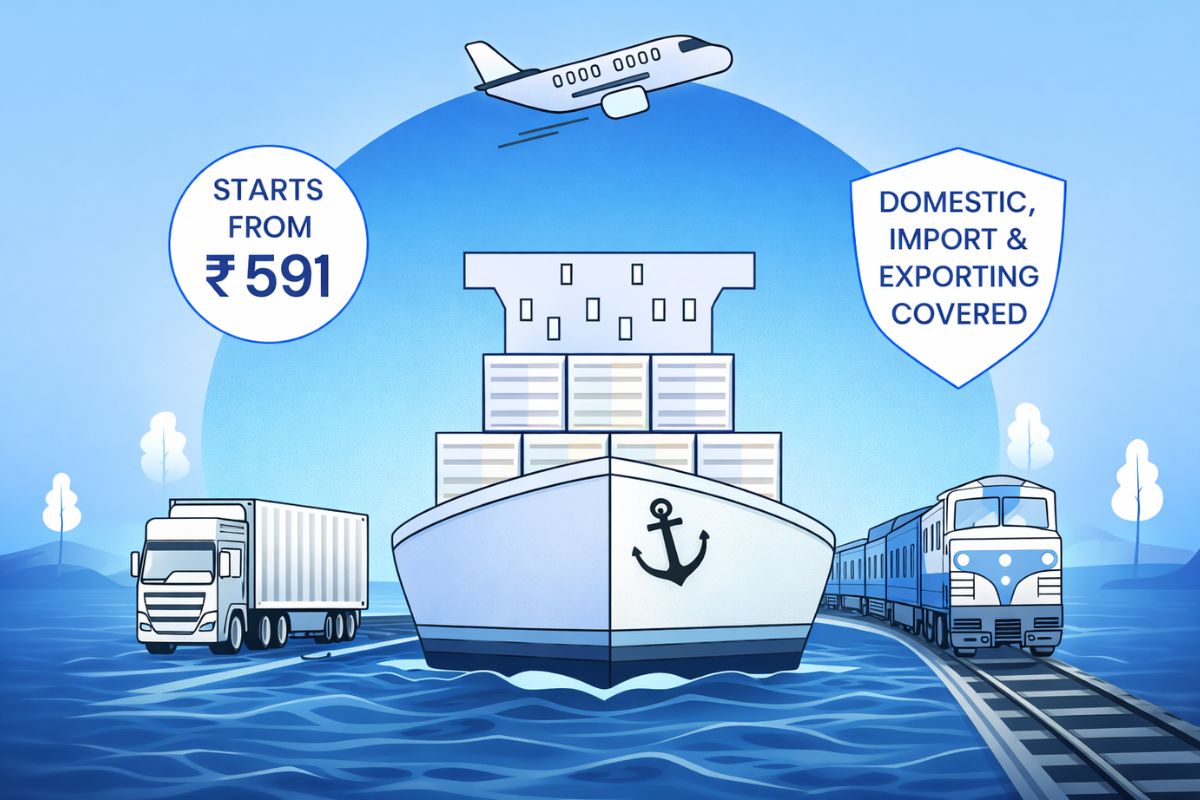
Perishable goods do not leave much room for error. Products like fresh food and medicines depend on cold chain logistics to stay usable during transit, but delays, power issues or handling mistakes are still common. When that happens, the losses can add up quickly. This is where marine insurance becomes relevant, helping businesses reduce the financial impact of spoilage and transit-related risks while moving temperature-sensitive cargo across routes.
Understanding Perishable Goods in Marine Trade
In marine trade, perishable goods refer to cargo that can deteriorate or lose value if exposed to delays, improper handling or unsuitable temperatures during transit. Common examples include fresh fruits and vegetables, seafood, dairy products, pharmaceuticals and certain chemicals.
These goods have a limited shelf life and are highly sensitive to changes in temperature, humidity and transit time. Even a short disruption can make the shipment unsellable. For companies dealing in such cargo, protecting these shipments goes beyond logistic planning. This makes business insurance an essential part of your business strategy, as it helps cover financial losses when perishable goods are damaged or spoiled during sea transport.
Understanding Cold Chain Logistics
Cold chain logistics refers to the system used to transport and store temperature-sensitive goods under controlled conditions from origin to destination. In marine trade, this typically involves refrigerated containers, temperature monitoring devices and specialised storage facilities at ports. The goal is to maintain a consistent temperature throughout the journey to prevent spoilage or quality loss.
However, factors such as power outages, equipment failure, port congestion or delays in customs clearance can disrupt the cold chain. Because these risks are common in long sea voyages, careful coordination and constant monitoring are essential to ensure perishable cargo remains in acceptable condition until delivery.
Key Risks in Transporting Perishable Cargo
- Temperature fluctuations caused by refrigeration failure or an inconsistent power supply.
- Transit delays due to port congestion, customs clearance issues or weather conditions.
- Equipment malfunction in refrigerated containers or monitoring systems.
- Improper handling during loading, unloading or storage at ports.
- Humidity and moisture exposure lead to spoilage or contamination.
- Human error in setting or monitoring temperature controls.
- Extended dwell time at transshipment points affects product quality.
How Marine Insurance Covers Cold Chain Risks
When a perishable cargo is damaged due to cold chain failures, marine insurance helps protect businesses. Coverage of the policy includes losses caused by temperature variation, equipment breakdown and delays. In many cases, policies also respond to spoilage if it can be linked to a covered risk rather than normal wear and tear.
Factors that define the coverage include policy terms, declared cargo value and compliance with handling requirements. For shipments that rely on strict temperature control, having the right marine insurance in place can make the difference between absorbing a total loss and recovering a significant portion of the cost.
Conclusion
Transporting perishable goods by sea is never risk-free. Even with strong cold chain systems in place, factors like delays, equipment issues or handling gaps can still affect cargo handling. This makes planning for financial protection just as important as managing logistics.
A well-structured marine insurance policy helps businesses absorb losses when things don’t go as expected, instead of bearing the full impact themselves. Insurers such as TATA AIG offer business insurance solutions designed to address the practical challenges of moving temperature-sensitive goods, helping businesses stay prepared in an unpredictable trade environment.
Disclaimer: This content is sponsored and does not reflect the views or opinions of Ground Report. No journalist is involved in creating sponsored material and it does not imply any endorsement by the editorial team. Ground Report Digital LLP. takes no responsibility for the content that appears in sponsored articles and the consequences thereof, directly, indirectly or in any manner. Viewer discretion is advised.
Support us to keep independent environmental journalism alive in India.
Stay connected with Ground Report for underreported environmental stories.