Most independent home construction projects don’t face issues because of poor execution. The problems usually begin much earlier, at the planning stage, where decisions around layout and design are either rushed or not aligned properly.
Many homeowners only realise these gaps after moving in. Spaces don’t function as expected, movement feels restricted, or the front of the house doesn’t reflect what was originally imagined. By that stage, making changes becomes expensive and difficult.
Why Exterior Design Should Not Be the Starting Point
A common mistake is beginning with references for house front design. Homeowners often shortlist styles based on appearance, without considering how those designs will fit their actual layout or plot conditions.
In reality, the front design is not an isolated element. It is shaped by the internal planning of the home.
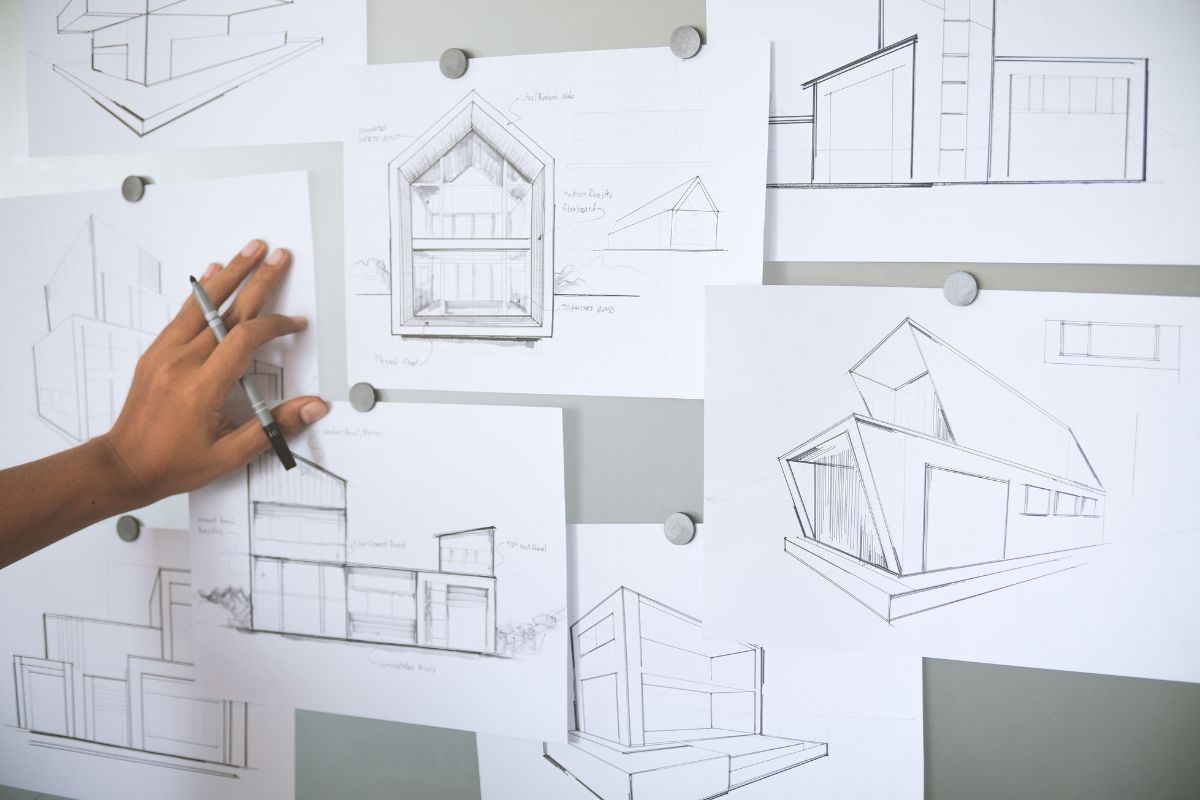
This is where a well-prepared 2D home plan drawing becomes important. It defines how spaces are arranged, where openings are placed, and how the structure will be executed. Without this foundation, even a visually appealing house front design may not translate well during construction.
What a Strong Front Design Depends On
A good house front design is not about adding more elements or using multiple materials. It is about achieving balance.
The alignment of windows, the proportion of floors, and the depth created through simple projections all influence the final outcome. When these elements are handled with clarity, the design looks structured and intentional.
On the other hand, when too many elements are added without a clear plan, the elevation often feels cluttered or forced. This not only affects the appearance but can also increase maintenance in the long run.
How Planning Influences the Final Look
One of the most overlooked aspects of home construction is how closely planning and design are connected.
A detailed 2D home plan drawing determines key elements such as window placement, slab levels, and balcony positioning. These directly shape how the house appears from the outside.
When planning is not aligned with design, the elevation often depends on additional features to improve its look. This can lead to unnecessary complexity and higher costs.
A well-aligned approach ensures that the house front design evolves naturally from the layout, rather than being adjusted later.
Practical Design Ideas That Work on Site
Instead of focusing only on trends, homeowners should consider design ideas that are practical to execute.
Simple and clean designs often work better than complex ones. Straight lines, balanced proportions, and limited use of materials can create a modern and refined look without increasing construction challenges.
Elements like balconies and shading features can also serve dual purposes. They enhance the visual appeal of the house while improving indoor comfort by reducing direct heat exposure.
These are the kind of house front design ideas that are not only visually appealing but also practical in real-world conditions.
Avoiding Common Design Mistakes
In an effort to create something unique, many homeowners end up combining multiple styles. While this may seem creative, it often leads to inconsistency.
Some common mistakes include selecting designs that don’t suit the plot size, adding too many materials, or ignoring practical factors like sunlight and ventilation.
Such issues usually become visible only after construction begins, when making changes is difficult and expensive.
Cost Impact of Poor Planning and Design
Cost overruns are often linked to execution, but the root cause usually lies in early decisions.
An inefficient 2D home plan drawing can increase built-up area unnecessarily or complicate structural work. Similarly, an impractical house front design can introduce elements that add cost without improving long-term value.
When planning and design are aligned from the beginning, it becomes easier to control both construction costs and maintenance.
Planning for Long-Term Usability
Homes are built for long-term use, and requirements often change over time. Whether it is adding another floor or modifying spaces, flexibility should be considered from the start.
A strong planning approach ensures that future changes can be made without major structural issues. Ignoring this often leads to limitations that are difficult to resolve later.
Bringing Planning and Design Together
The difference between a well-designed home and a typical constructed house lies in how well planning and design are connected.
When the 2D home plan drawing and house front design are developed together, the outcome is more cohesive. The structure supports the design, and the design reflects the layout.
This reduces the need for adjustments during construction and leads to a smoother, more predictable process.
Conclusion
A well-built home is not just about how it looks from the outside. It is about how effectively it has been planned from the beginning.
A practical house front design depends on a strong planning foundation. When supported by a well-developed 2D home plan drawing, the result is a home that is both visually balanced and functionally efficient. an approach that Utec by UltraTech follows by aligning design decisions with real-world execution from the very beginning.
Disclaimer: This content is branded and does not reflect the views or opinions of Ground Report. No journalist is involved in creating branded material and it does not imply any endorsement by the editorial team. Ground Report Digital LLP. takes no responsibility for the content that appears in branded articles and the consequences thereof, directly, indirectly or in any manner. Viewer discretion is advised.
Support us to keep independent environmental journalism alive in India.
Stay connected with Ground Report for underreported environmental stories.