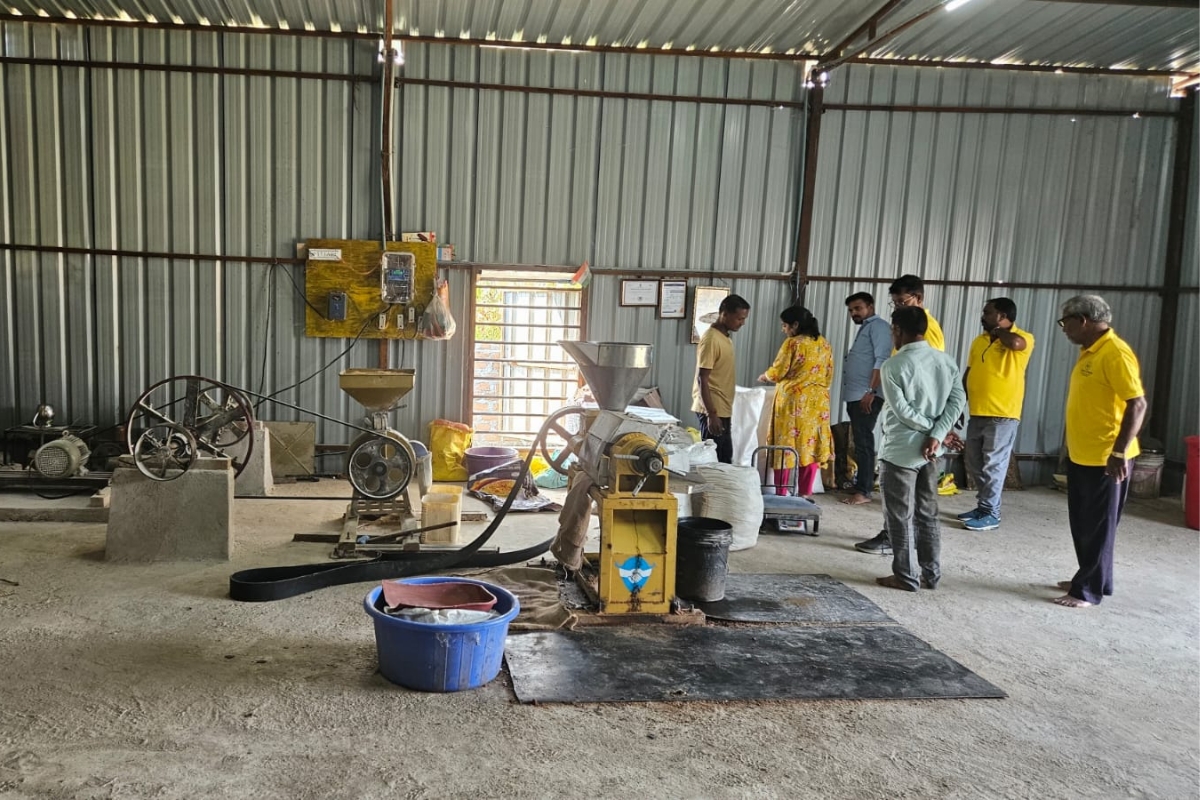
During my recent visit to Bhandwa village in Madhya Pradesh’s Betul district, residents gathered around their local oil expeller and described what had changed. They were getting more oil from their seeds, appreciated its quality, and no longer needed to lose two days travelling and waiting for processing twenty kilometres away. A conversation about rebuilding the village economy had become a working enterprise.
This journey began when I returned to Bhandwa, in Bhimpur block, after almost twenty years. Pragati Grameen Vikas Sanstha (PGVS), an organisation working closely with tribal communities, facilitated the visit. Our purpose was to understand natural farming, mixed cropping and opportunities for village Bio-Resource Centres. Listening to farmers brought an unexpected concern into focus: the decline of their local oil economy.
Families recalled cultivating oilseeds such as jagni, or niger, sesame and groundnut. They also processed Mahua gulli, the seeds of the Mahua tree, for oil. Over time, changing cropping patterns, difficulties accessing quality seed, uncertain prices and the disappearance of local processing weakened these practices. Households increasingly purchased edible oil from outside.
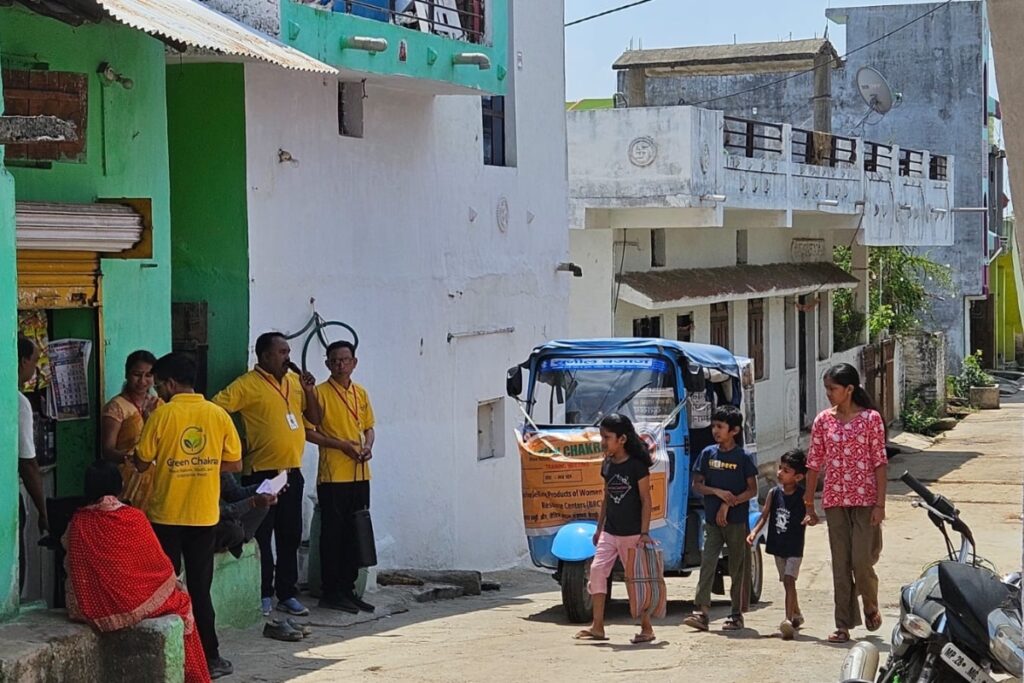
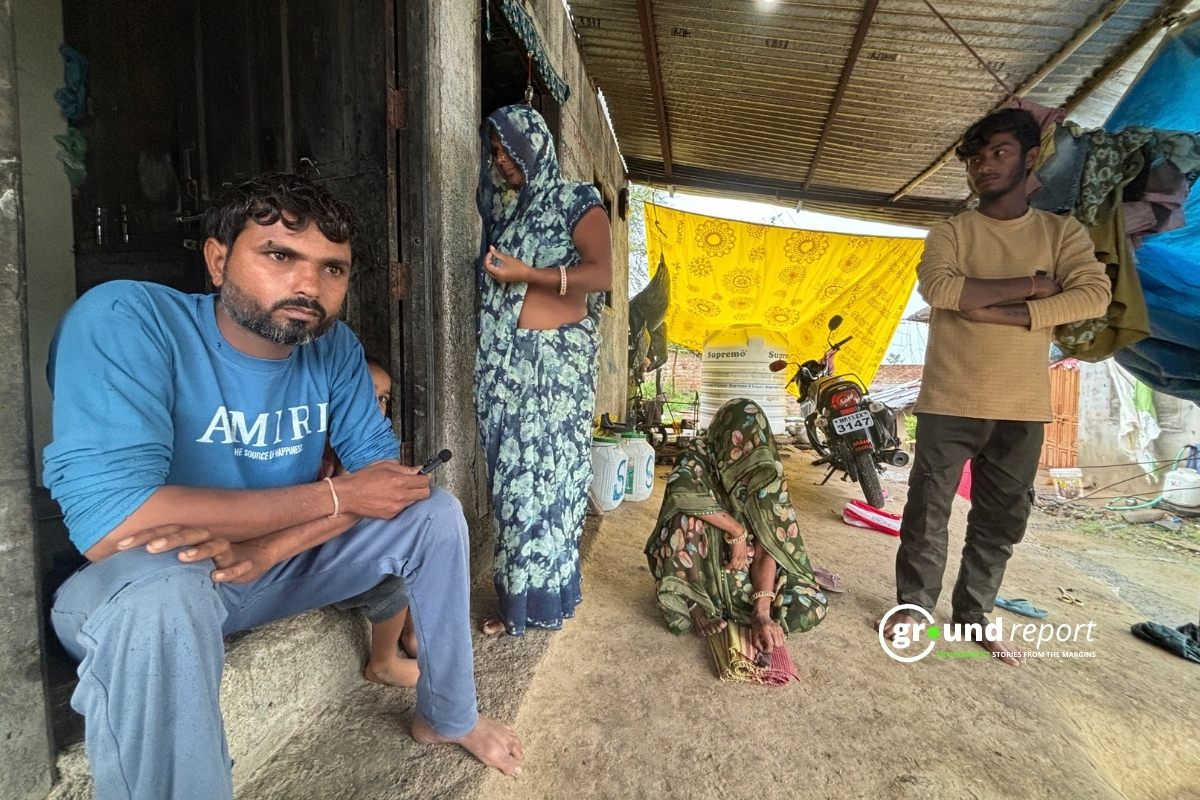
During village discussions, residents estimated that a typical family spent ₹10,000–₹15,000 annually on purchased edible oil. Meanwhile, locally available Mahua seeds were often sold to traders at low prices. Resources left the village with little value addition, while families spent money buying a product they had once helped produce themselves.
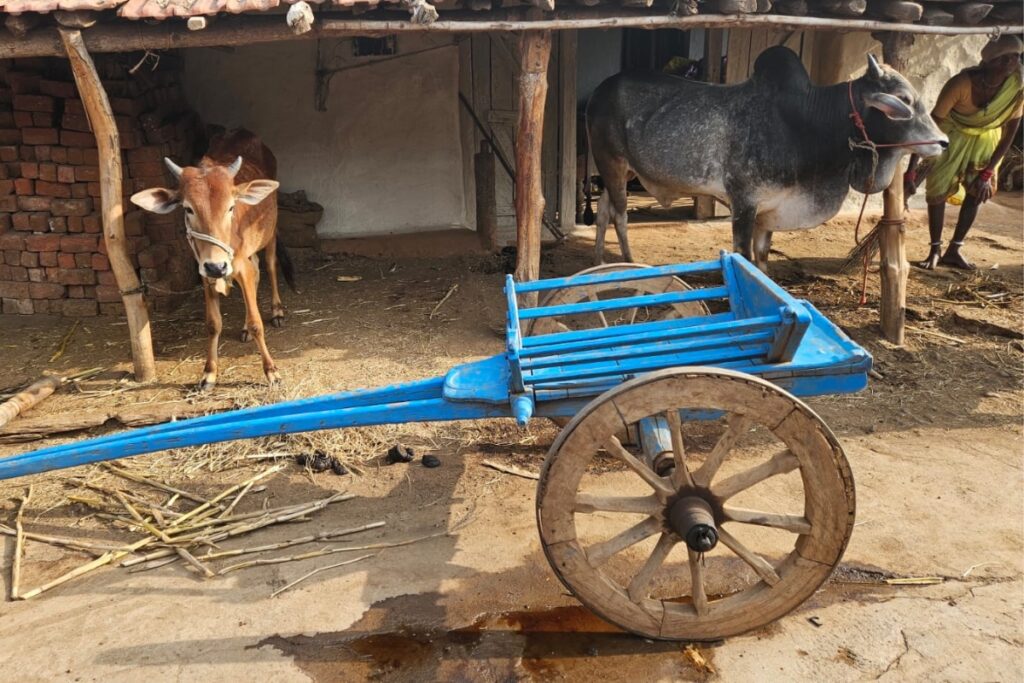
Farmers described travelling nearly twenty kilometres to Chicholi for oil extraction. Sometimes they left their produce for several days. They reported dissatisfaction with oil recovery and uncertainty about receiving the oil cake back. The cost included transport, waiting and time away from other work.
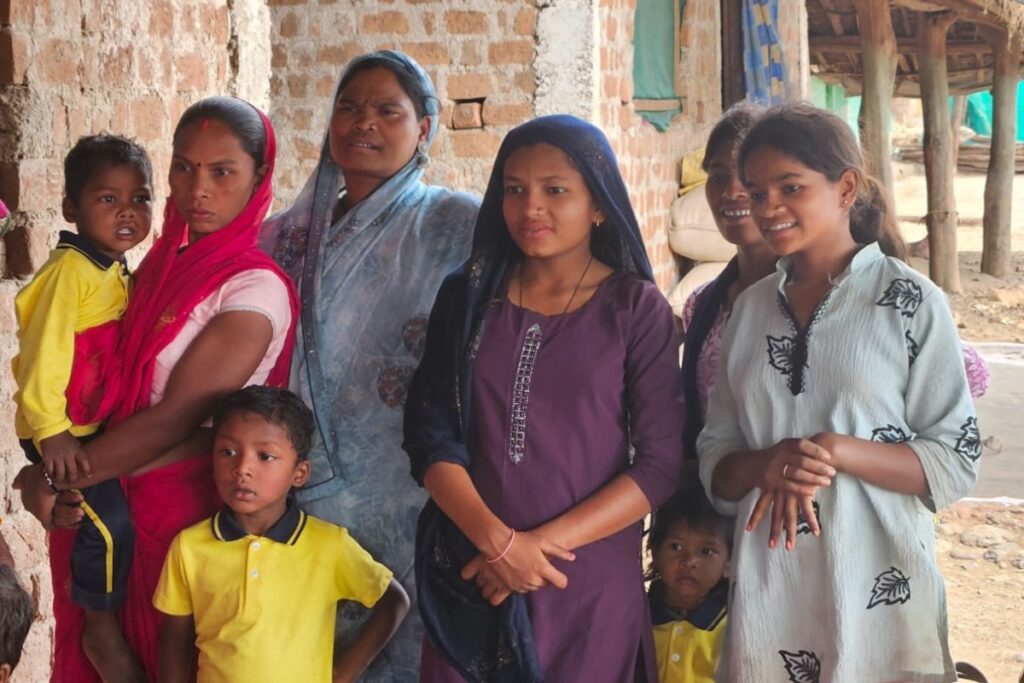
One question shifted the discussion towards action: if Mahua was available locally, why could the village not extract its own oil? A small oil-expeller demonstration organised by Tanmay and his team from GRE helped people see the possibility. Women, farmers and youth began discussing local processing, employment and the return of oilseed cultivation.
Green Chakra encouraged village representatives to explore Panchayat support and government programmes, including Van Dhan Yojana. These routes could take time, however, and the community wanted to move forward. Through further meetings, residents expressed their willingness to participate if Green Chakra could provide technical and enterprise support. As a young company with limited resources, we had to consider the investment carefully. Community commitment was decisive. Arjun Erpache, a local youth leader, repeatedly conveyed the villagers’ question: when would the Mahua oil unit begin?
The Gram Panchayat allocated land for three years. Community members participated in site identification and planning. On 2 June 2026, villagers gathered to mark the beginning of their enterprise hub. By 18 June, a tin shed of approximately 1,000 square feet was largely complete.
A partnership brought together Green Chakra Private Limited, PGVS and the Bhandwa Prakartik Kheti Samuh. Green Chakra’s role covered enterprise development, investment support, branding and market linkages. PGVS supported facilitation, monitoring and community institutions, while the local group supported operations and participation.
By October 2026, the oil unit was operating and receiving enthusiastic community feedback. During our visit, residents described roughly 50 per cent greater overall benefit compared with their earlier processing arrangements. This is their assessment, rather than a measured financial return. They explained the benefit through better oil recovery, perceived improvement in quality, and savings in travel and waiting time.
The next stage connects oil processing with regenerative farming. Mahua oil cake, or khali, is being used to develop Mahua Gold, a locally produced soil-input formulation. Community members and the Green Chakra team are preparing three combinations, labelled T-1, T-2 and T-3, for trials in Rabi crops.
These trials will help identify the most effective combination before planning larger-scale production. The aim is to develop an input that performs well for farmers, can reduce cultivation costs, and creates production opportunities for local youth. These remain objectives to be tested through crop performance and production economics
Together, the oil unit and Mahua Gold development illustrate a local circular economy: village resources are processed locally, and a processing byproduct becomes a potential resource for farming. More value can remain within the community, supporting enterprise and agriculture together.
This is the purpose of the Green Chakra platform: enabling rural youth and farmers to become green entrepreneurs and making regenerative agriculture locally accessible, affordable and economically viable.
Bhandwa’s experience also captures Sense of the House in action: entering through dialogue, engaging around shared priorities and moving into collective action. Sustaining the enterprise will require consistent quality, sound records, working capital and continued mentoring. Its early progress offers a practical lesson for other villages: community priorities, local institutions and sustained enterprise support can together rebuild economic opportunities around resources already close at hand.
Editors Note – The author is the CEO and founder of Green Chakra. This article is based on his field experiences.
Support Us To Sustain Independent Environmental Journalism In India.
More Ground Reports
Photo Feature: A Solar Pump Trolley Solves Multiple Problems for This Farmer in Sidhi
In the Majhgawan Dam Protest, Amit Bhatnagar and Affected Families Court Arrest
Stay Connected With Ground Report For Underreported
Author
Support Ground Report to keep independent environmental journalism alive in India
We believe climate change should be the basis of current discourse, and our stories attempt to reflect the same.
Connect With Us
Send your feedback at greport2018@gmail.com
Newsletter
Subscribe our weekly free newsletter on Substack to get tailored content directly to your inbox.
When you pay, you ensure that we are able to produce on-ground underreported environmental stories and keep them free-to-read for those who can’t pay. In exchange, you get exclusive benefits.
Your support amplifies voices too often overlooked, thank you for being part of the movement.