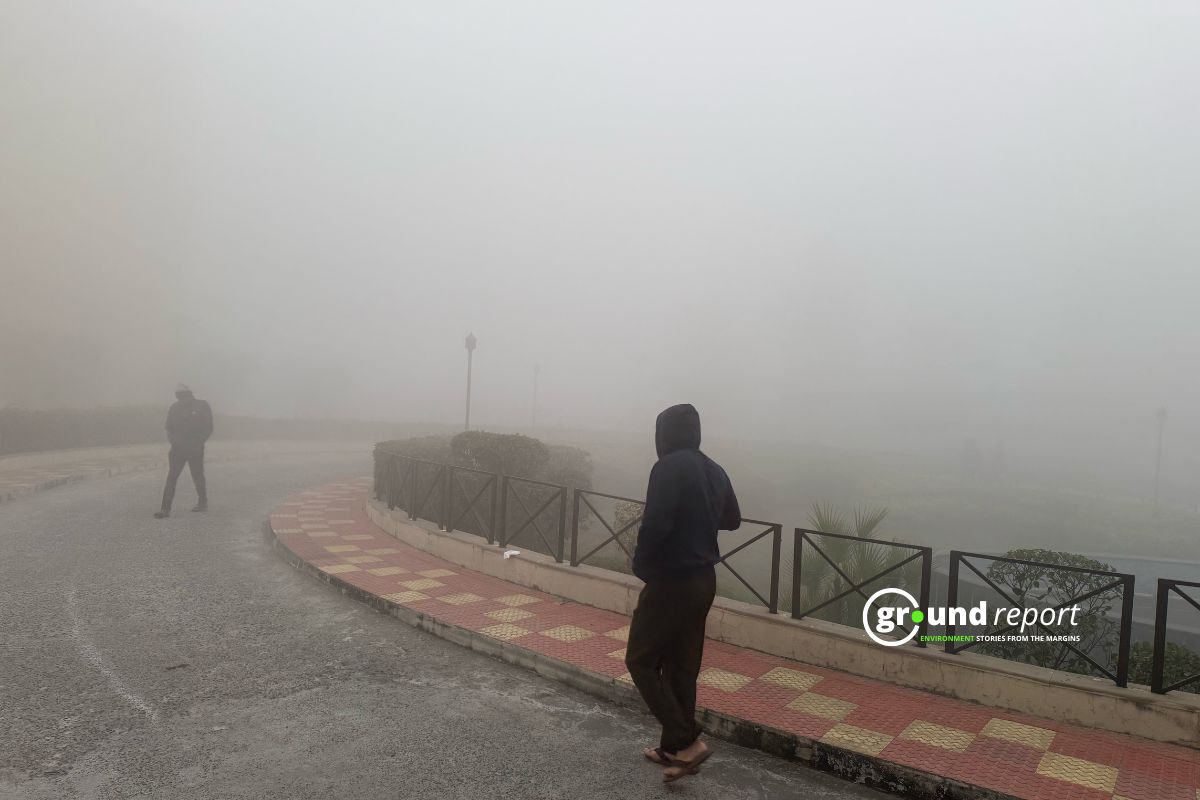
A thick blanket of fog descended over Madhya Pradesh on Monday morning, marking the season’s first major visibility crisis as winter weather conditions intensify across central India. Motorists struggled through near-zero visibility while temperatures plummeted across multiple districts.
Morena district experienced its first seasonal fog with visibility dropping to a mere 50 meters. The mercury settled at 9 degrees Celsius overnight before climbing to just 13 degrees during the day. Raisen faced similar conditions, forcing drivers to navigate with headlights switched on even during morning hours. The capital city Bhopal also witnessed heavy fog amid biting cold, while Tikamgarh recorded its first fog of the season.
The meteorological department issued dense fog alerts for 14 districts spanning the Gwalior, Chambal, Sagar, Jabalpur, and Rewa divisions. The affected areas include Gwalior, Morena, Bhind, Datia, Niwari, Tikamgarh, Chhatarpur, Panna, Satna, Maihar, Rewa, Mauganj, Sidhi, and Singrauli.
Weather officials predict conditions will worsen by mid-month. A new western disturbance will affect the western Himalayan region starting December 17, with its impact reaching Madhya Pradesh within two to three days. This system will push temperatures even lower across the state.
Record-Breaking Cold Grips the Region
The state has already witnessed unprecedented cold this season. November broke temperature records that stood for decades. Bhopal experienced cold wave conditions for 15 consecutive days, the longest streak since records began in 1931. The city recorded 5.2 degrees Celsius on November 17, surpassing the previous low of 6.1 degrees set on November 30, 1941.
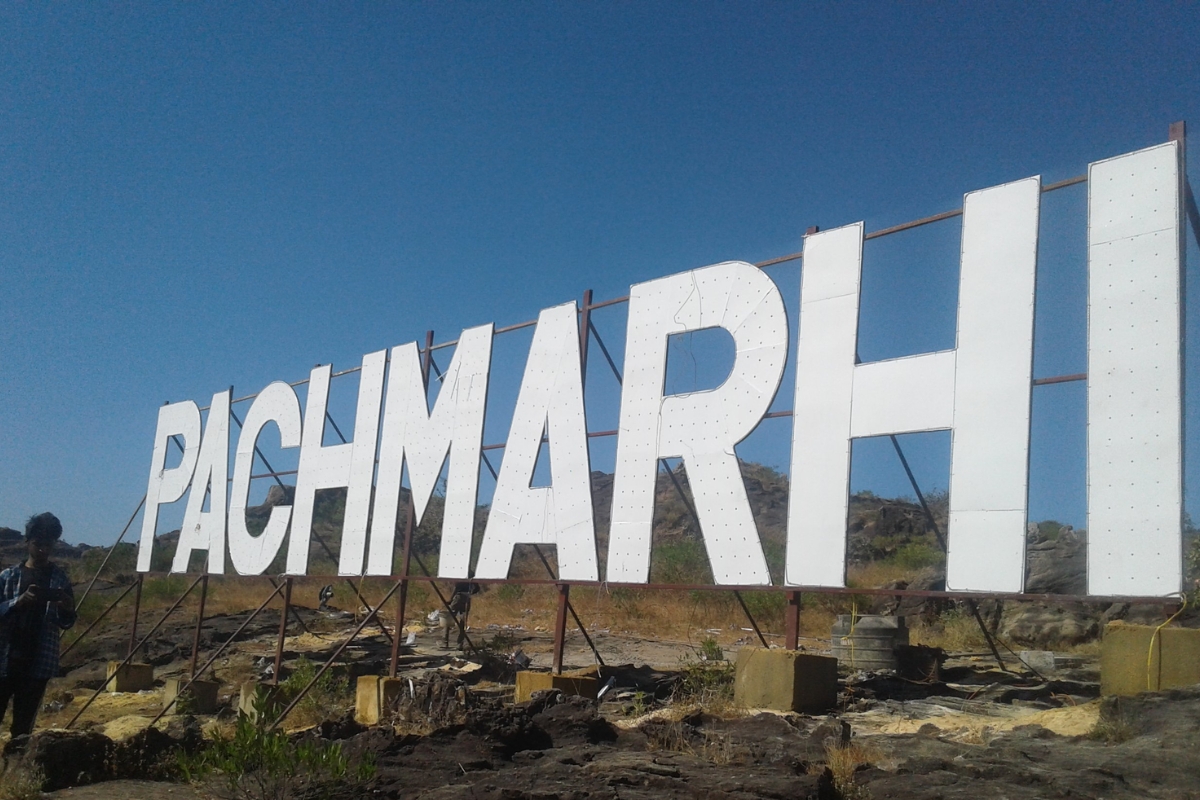
Pachmarhi remained the coldest location over the weekend with temperatures touching 5.2 degrees Celsius. Among major cities, Indore recorded the lowest temperature at 6.4 degrees, its coldest night in 25 years. Bhopal registered 7 degrees, while Jabalpur saw 9.4 degrees. Gwalior and Ujjain both recorded 9.8 degrees.
Multiple smaller towns experienced even harsher conditions. Rajgarh and Kalyanpur recorded 5.6 degrees, Shajapur 6.1 degrees, and Mandsaur 6.7 degrees. Rewa and Umaria both registered 7.2 degrees.
The Science Behind the Chill
DP Dubey, retired director of the Bhopal Meteorological Centre, explained the unusual intensity of this winter season. Global weather models indicated active La Niña conditions, which means cooling of the Pacific Ocean. This cooling process pushes cold air pressure toward Asia and India, creating the frigid conditions gripping central India since November.
Weather experts point to the jet stream as another major factor. This powerful wind current flows at approximately 12 kilometers above ground level, currently moving at 176 kilometers per hour. At times, its speed has reached 222 kilometers per hour. The jet stream combines with cold winds from northern plains and snowy winds from mountain regions to amplify winter conditions.
Early snowfall in Himachal Pradesh, Uttarakhand, and Kashmir contributed significantly to the temperature drop. Snowfall arrived much earlier than usual this year, increasing the coolness of central India by 20 to 30 percent. Cold winds have also penetrated 20 to 25 percent deeper into four major weather zones this year.
Temperature Records Across Major Cities
| City | Temperature (°C) | Conditions |
|---|---|---|
| Pachmarhi | 5.2 | Coldest in state |
| Rajgarh-Kalyanpur | 5.6 | Severe cold |
| Shajapur | 6.1 | Dense fog expected |
| Indore | 6.4 | Coldest among major cities |
| Mandsaur | 6.7 | Cold wave |
| Bhopal | 7.0 | Fog and cold |
| Rewa-Umaria | 7.2 | Dense fog alert |
| Gwalior | 9.8 | Fog alert issued |
| Jabalpur | 9.4 | Cold conditions |
Weather experts predict cold wave conditions could persist for 20 to 22 days in January. Western disturbances will continue bringing light winter rains, potentially dropping temperatures by an additional 4 to 6 degrees in cities like Bhopal, Ujjain, Mandsaur, and Ratlam.
Support us to keep independent environmental journalism alive in India.
Keep Reading
Small Wild Cats in Big Trouble: India’s First National Report Released
After Tragedy, Families Face Delays in Tiger Attack Compensation
Stay connected with Ground Report for underreported environmental stories.