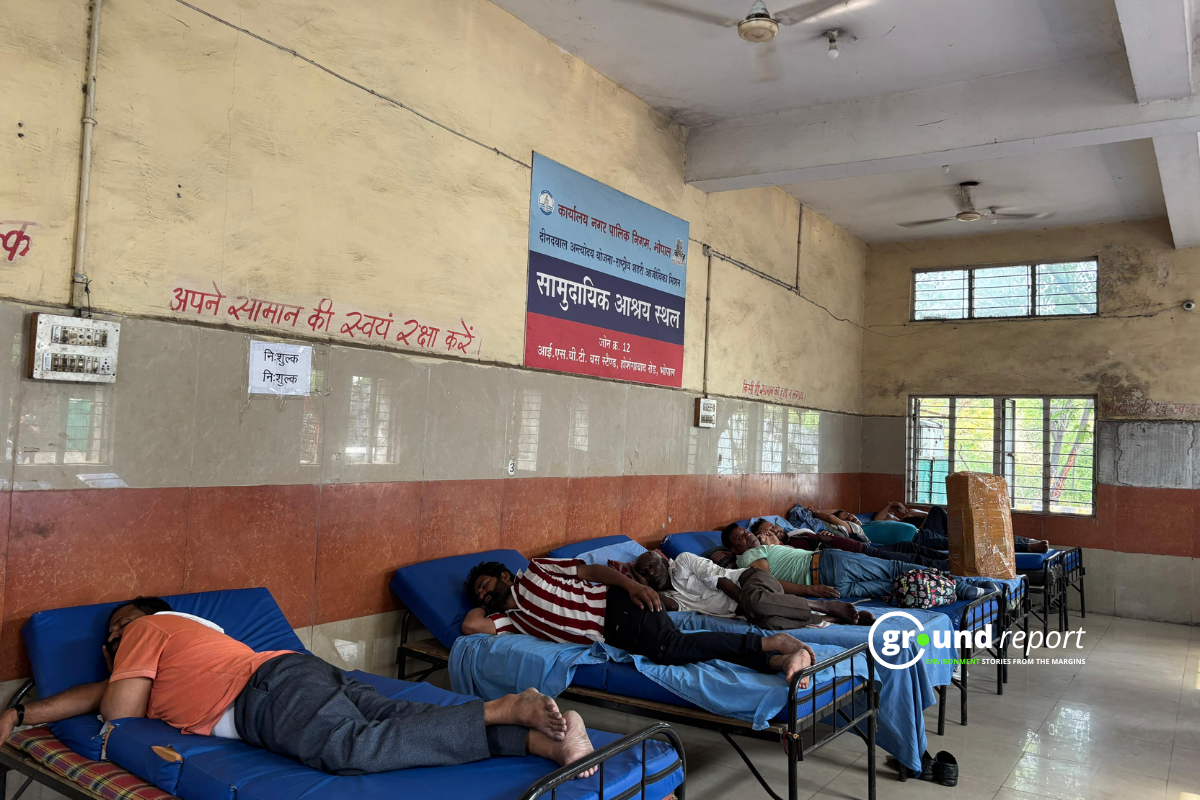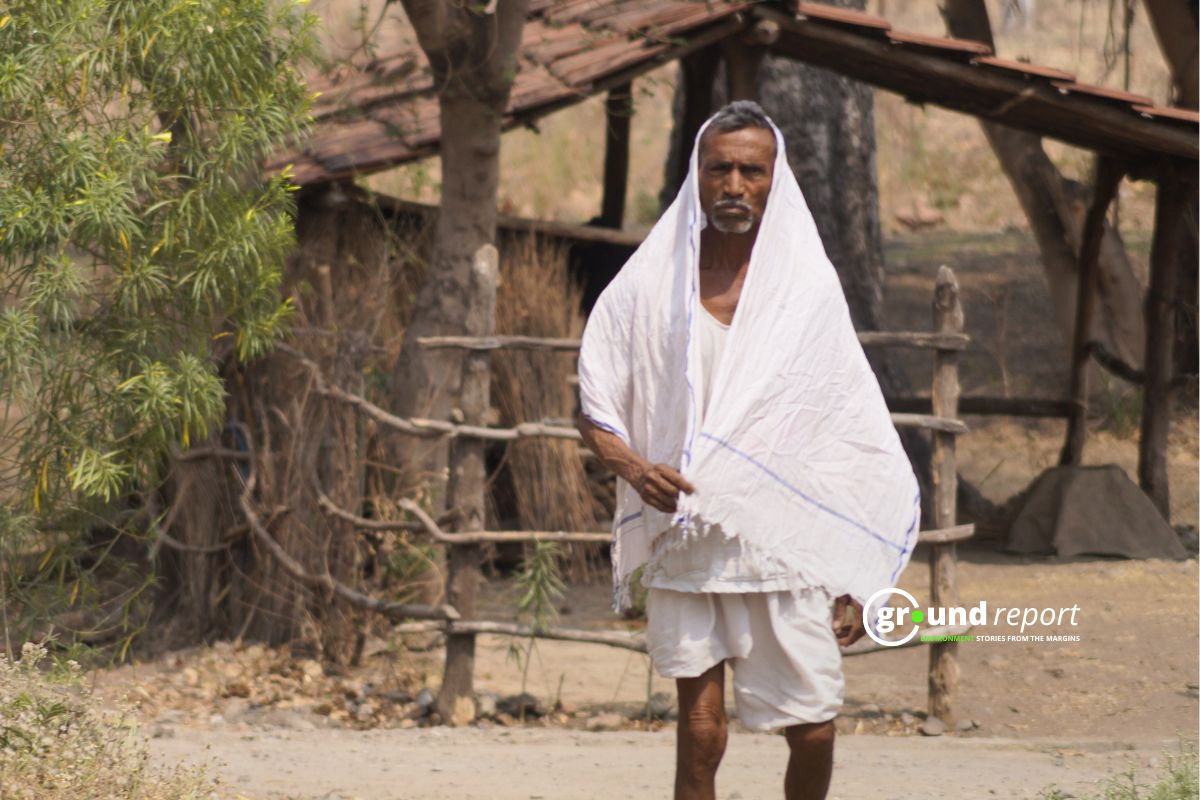
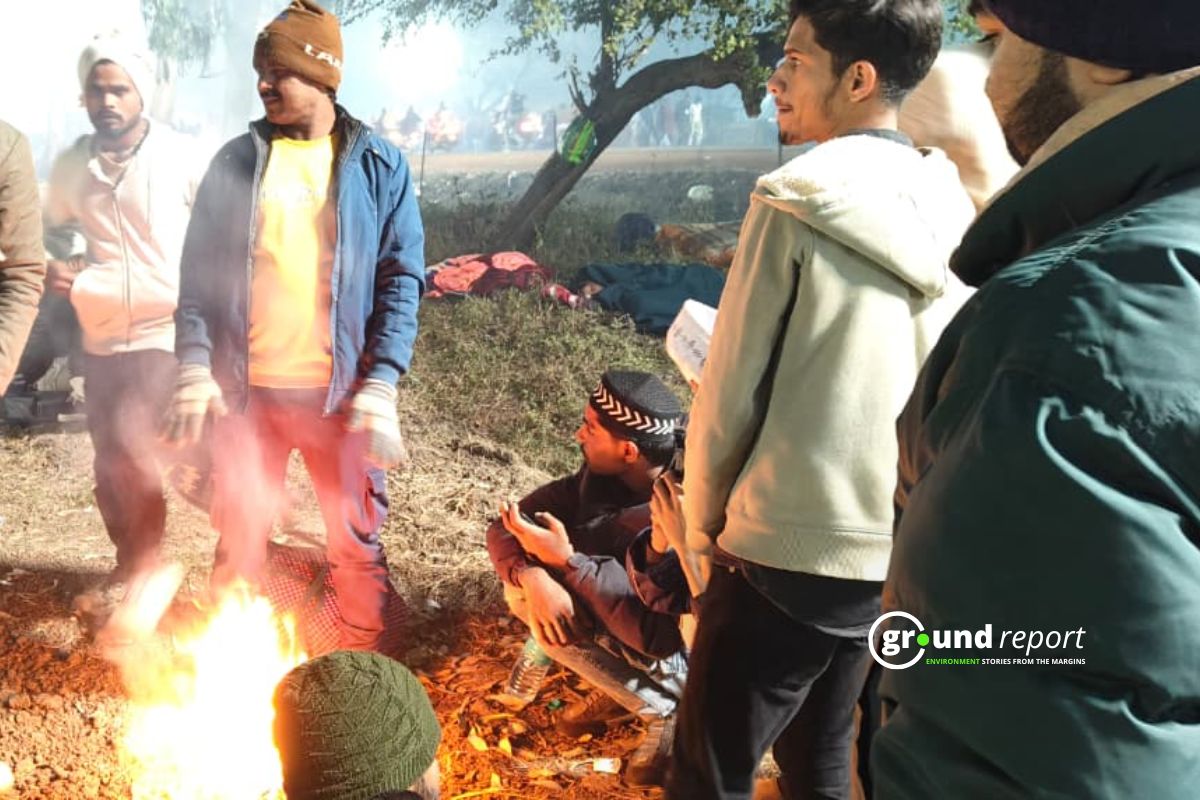
Temperature grip tightened across Madhya Pradesh this week as night weather readings slipped below 5 degrees Celsius for the third straight day. The cold settled over cities large and small, and many residents woke up to numbers they had not seen in years.
Indore recorded 4.5 degrees, dipping even below Pachmarhi. Locals said they felt a level of chill they do not associate with the city. Pachmarhi stood at 4.8 degrees. Meteorologists said the pattern reflects a larger shift across central India.
Cold weather Deepens in MP
Bhopal logged 6.6 degrees. The capital has faced a cold wave for six days. The alert now includes Indore, Sehore, Shajapur and Rajgarh. A cold day was reported in Shahdol. Raisen and Kalyanpur also slipped to sharp lows. Kalyanpur’s 3.8 degrees made it the coldest location of the night.
Experts pointed to a strong jet stream running above North India. It moves at more than 200 km per hour at about 12 km above the ground. A senior forecaster said the stream “helps pull cold air deeper into the plains.” Early snowfall in Himachal Pradesh, Uttarakhand and Kashmir has added to the chill. Winds from the north have grown sharper and pushed the cold deeper into Madhya Pradesh.
The state has already broken records. Bhopal crossed an 84-year mark for November cold. Indore recorded its lowest December reading in a decade. People in many districts said they have not felt such cold for years.
Weather models show La Niña at work. The cooling of the Pacific Ocean shapes air pressure patterns across Asia. Retired meteorological director D P Dubey said the Pacific shift “pushes colder air toward central India.” He noted that this winter’s conditions match that forecast.
Early snow increases cold
Snowfall across the mountains came earlier than usual. Experts say early snow increases cold in central India by up to 30 percent. This year, winds also penetrated deeper into four major zones of the state. The effect reached Gwalior-Chambal, Bhopal-Vidisha, Ratlam-Mandsaur and Sagar-Damoh.
Western disturbances added to the drop. When they remain active, light winter rain follows. Daytime temperatures then fall by 4 to 6 degrees. Cities like Bhopal, Ujjain, Ratlam and Mandsaur may see this pattern repeat in the coming weeks.
December and January form the peak winter period. Data from the last decade shows frequent cold waves during these months. Forecasts suggest the cold wave could last up to 22 days in January. Many districts across Gwalior, Chambal, Ujjain and Indore divisions are expected to face the sharpest drop.
Meteorologists advised close tracking of night temperatures. Several cities stayed below 10 degrees last night. The spread of cold has reached from Rewa to Chhindwara and from Mandla to Satna. Many districts may see further decline as northern winds remain strong.
City wise Temperature
| City | Temperature (°C) | Forecast |
|---|---|---|
| Indore | 4.5 | Clear, cold |
| Pachmarhi | 4.8 | Clear, cold |
| Bhopal | 6.6 | Cold wave |
| Gwalior | 9.2 | Cold morning |
| Ujjain | 8.2 | Cold morning |
| Jabalpur | 8.5 | Light haze |
| Rewa | 5.9 | Clear sky |
| Shivpuri | 6 | Cold breeze |
| Umaria | 6.1 | Clear sky |
| Raisen | 5 | Cold wave |
Support us to keep independent environmental journalism alive in India.
Keep Reading
Small Wild Cats in Big Trouble: India’s First National Report Released
After Tragedy, Families Face Delays in Tiger Attack Compensation
Stay connected with Ground Report for underreported environmental stories.