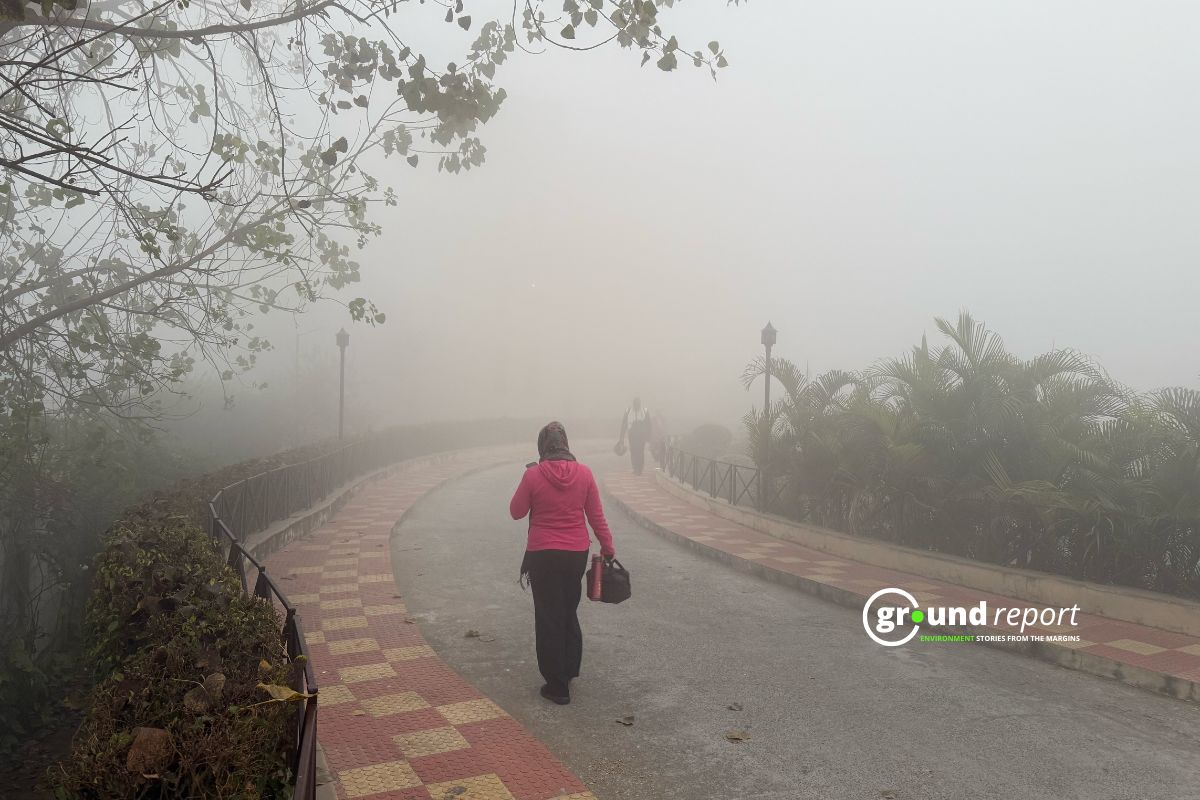
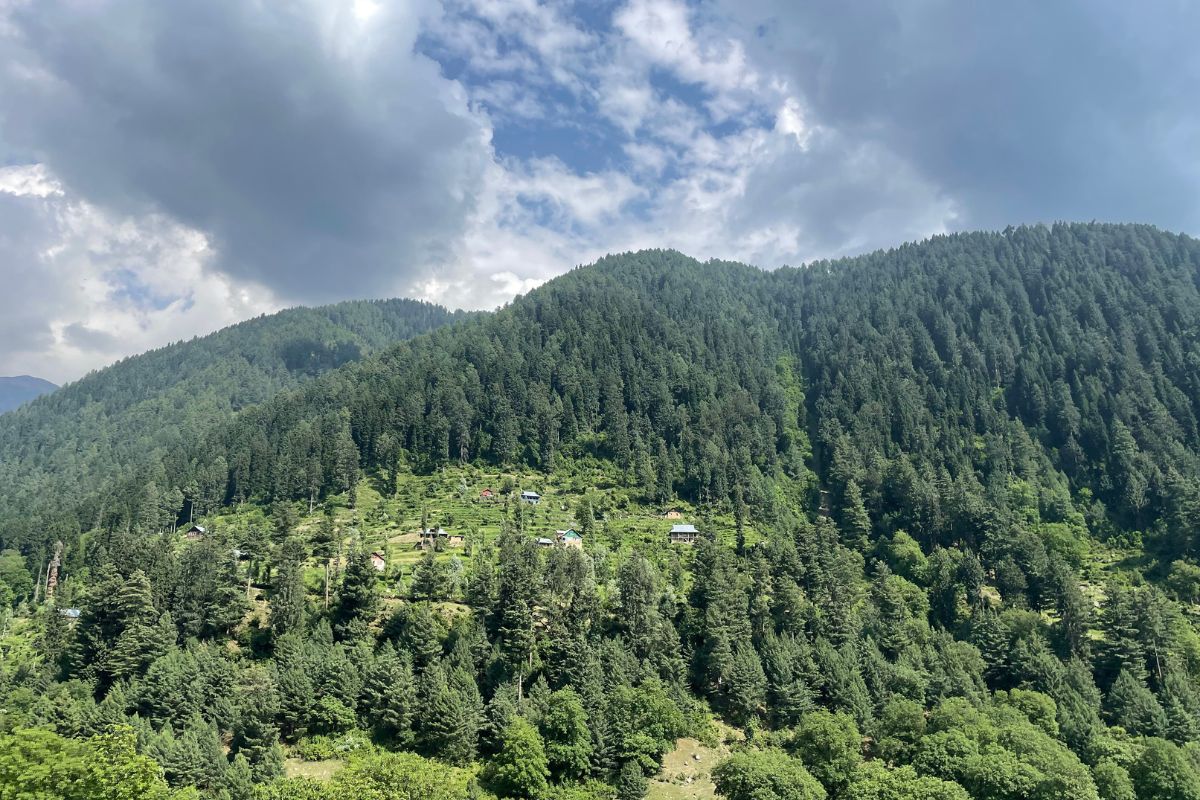
Kashmir continued to face a severe cold wave on Thursday as night temperatures remained well below freezing across the Valley. Srinagar recorded minus 4 degrees Celsius, while higher altitudes reported even lower readings. Thick morning fog and icy roads slowed traffic and forced residents to step out with caution.
Cold set to worsen soon
The Meteorological Department confirmed the widespread drop in temperatures. An official said, “The minimum temperature was minus 4 degrees Celsius in Srinagar, while it was minus 4.8 in Pahalgam and minus one in Gulmarg.” The official added that Jammu stood at 8 degrees, Katra at 8.4, Banihal at 2.1 and Bhaderwah at 0.4 degrees.
A feeble western disturbance may bring light snowfall to the upper reaches, but no major rain or snow is expected in Jammu and Kashmir until December 10. The department said the cold is likely to intensify over the coming days.
The cold has changed daily routines in Srinagar. The sun appeared briefly but gave little relief. Commuters wrapped themselves in layers while moving through the city. Slippery streets forced pedestrians and motorists to navigate slowly in the early hours. Street vendors, office workers and school staff began their day in sub-zero conditions.
Warmth methods return to homes
Traditional winter clothing has returned to everyday life. Many residents wear the long woollen garment known as the pheran. In both rural and urban areas, people continue to depend on the kangri, a small earthen firepot placed inside a wicker holder, to stay warm. The kangri is carried under the pheran to heat the body. Charcoal made from dried chinar leaves remains a common fuel for these firepots.
Electric heaters and fuel-based central heating are used by those who can afford them, but most families still rely on the old combination of the pheran and kangri as temperatures fall each winter. Markets in downtown Srinagar have seen increased sales of woollens, kangris and wicker baskets.
Cold wave conditions also continued in south and central Kashmir. Pampore recorded minus 5 degrees and Pulwama minus 5.6. Shopian remained very cold at minus 5.3. In the north, Baramulla reached minus 4.6. Sonamarg reported minus 3.6, while Budgam recorded minus 4.2 and Ganderbal minus 2.6.
Hill resorts that attract tourists at this time of year have also seen a sharp dip. Gulmarg recorded minus one degree and remained busy with early-winter visitors. Pahalgam saw minus 4.8. Hotels reported steady bookings despite the cold spell.
The cold was much harsher in the higher mountain passes. Zojila recorded minus 17 degrees, the lowest in the region. Roads in the upper reaches remained slippery, and movement slowed in the morning hours. Local authorities stated that road-clearing teams were on standby in case frost thickens over the weekend.
Deep cold ahead of Chillai Kalan
In the Jammu region, conditions were milder but still below normal. Jammu city recorded 8 degrees. Banihal was colder at 2.1, while Bhaderwah stood at 0.4.
Ladakh witnessed another freezing night. Leh recorded minus 9 degrees and Kargil minus 7.8. Nubra Valley remained at minus 7.6.
The forty-day winter phase known as Chillai Kalan will begin on December 21. During this period, water bodies freeze and taps often need de-icing in the morning. Day temperatures remain low and rarely cross single digits. The gap between day and night readings becomes narrow as sub-zero nights continue for weeks.
With a dry weather forecast for the next few days and only light snowfall predicted at isolated higher peaks, residents remain focused on managing daily life in a deep cold spell that has arrived ahead of the harshest winter stretch.
Support us to keep independent environmental journalism alive in India.
Keep Reading
Small Wild Cats in Big Trouble: India’s First National Report Released
After Tragedy, Families Face Delays in Tiger Attack Compensation
Stay connected with Ground Report for underreported environmental stories.