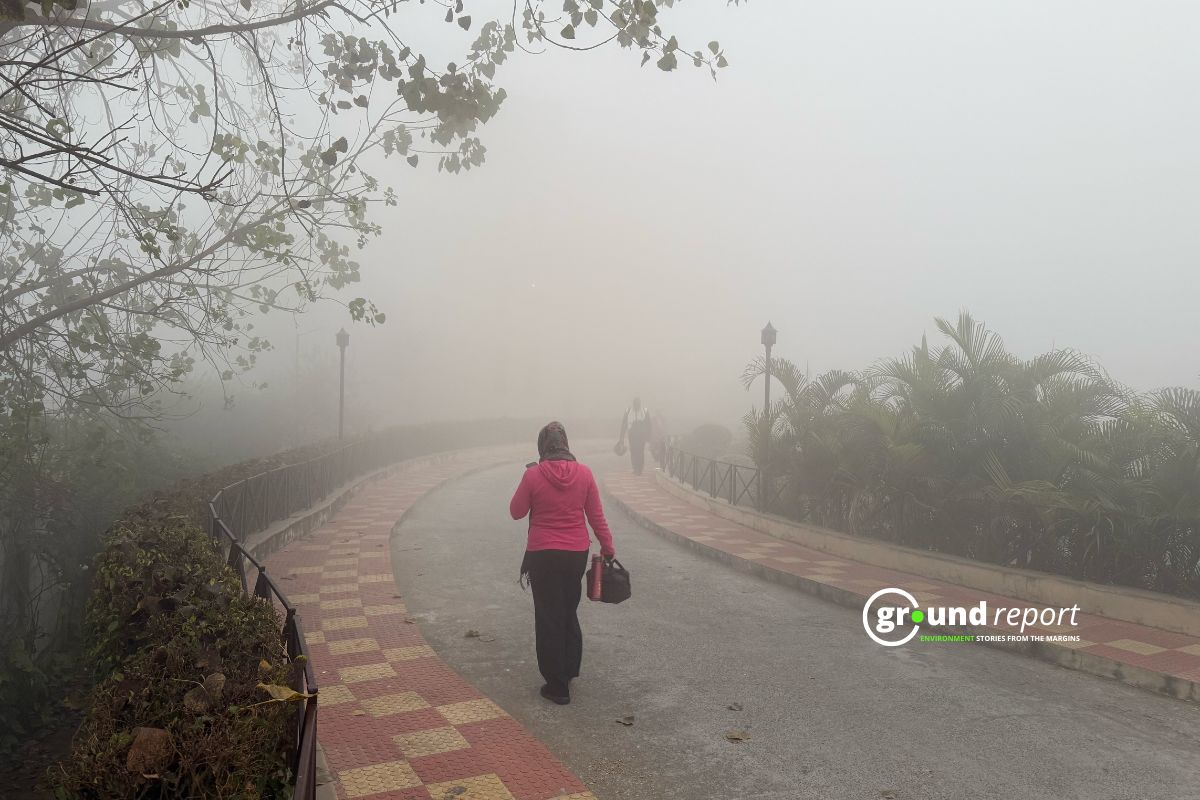
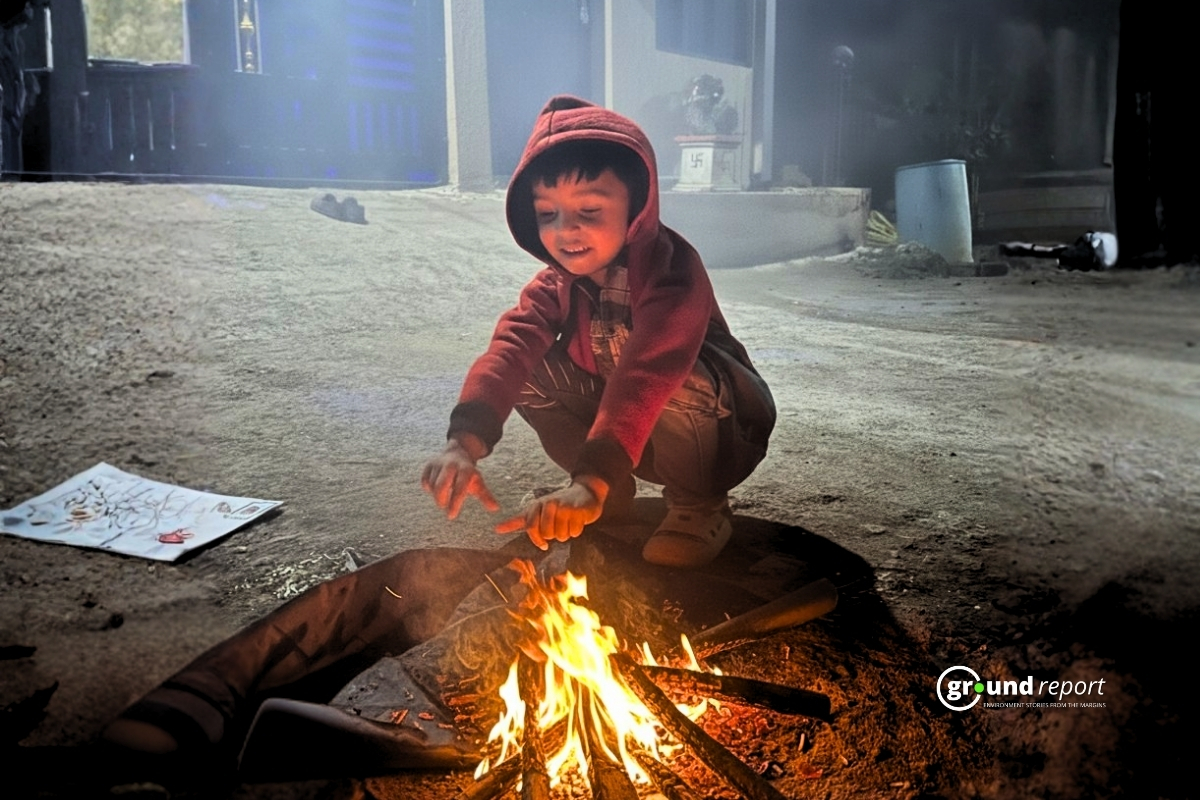
Madhya Pradesh residents who enjoyed a brief respite from harsh winter conditions should prepare for another round of severe cold in the coming days. The Meteorological Department has warned that temperatures will drop significantly when active weather systems pass over the western Himalayas during the last week of January.
The state currently faces cloudy conditions due to two active systems hovering overhead. A western disturbance and cyclonic circulation are keeping several districts under cloud cover, though temperatures have seen a temporary rise of four degrees over the past two nights. The sunshine during daytime hours has provided some relief, but this comfort may be short-lived.
Strong Western Disturbance Expected
A particularly strong western disturbance is forecast to impact northwestern India on January 21. This system will likely deteriorate weather conditions across Jammu and Kashmir, Ladakh, Himachal Pradesh, Punjab, Haryana, Chandigarh, Delhi, Rajasthan, and Uttar Pradesh starting January 23. The northern districts of Madhya Pradesh will also feel its effects.
Senior weather scientist Dr. Divya E. Surendran explained that while no alerts have been issued for the next four days, the approaching western disturbance appears intense. Cloud cover and light rain are expected in the Gwalior, Chambal, Rewa, and Sagar divisions. The situation should clear within two to three days after the system passes.
The Meteorological Department defines western disturbances as systems of winds and clouds that originate from the west. When these systems activate, they bring snowfall to hilly regions and rainfall to plains. After the disturbance moves further east, cold air from the north settles over the region, creating persistent cold conditions both day and night.
Temperature Records Across Major Cities
Karundi in Katni district recorded the lowest temperature in the state between Sunday and Monday night, with mercury dropping to 7.3 degrees Celsius. Among the five major cities, Indore registered the coldest conditions at 8.2 degrees Celsius.
The state capital Bhopal recorded 10.6 degrees, while Gwalior saw 10.8 degrees. Ujjain registered 10 degrees, and Jabalpur remained relatively warmer at 13.8 degrees Celsius.
Other notable readings included Kalyanpur in Shahdol at 7.7 degrees, Khajuraho at 8 degrees, and both Mandla and Rajgarh at 8.4 degrees. Datia recorded 9 degrees, while the hill station Pachmari registered 9.8 degrees. Most other cities maintained minimum temperatures at or above 10 degrees Celsius.
Current Temperature
| City | Current Minimum (°C) | Forecast |
|---|---|---|
| Karundi (Katni) | 7.3 | Cloudy, possible light rain |
| Kalyanpur (Shahdol) | 7.7 | Cloudy conditions |
| Khajuraho | 8.0 | Light rain expected |
| Indore | 8.2 | Partly cloudy |
| Mandla | 8.4 | Cloudy skies |
| Rajgarh | 8.4 | Cloudy conditions |
| Datia | 9.0 | Rain likely |
| Pachmari | 9.8 | Cool and cloudy |
| Ujjain | 10.0 | Partly cloudy |
| Bhopal | 10.6 | Cloudy with possible drizzle |
| Gwalior | 10.8 | Rain expected |
| Jabalpur | 13.8 | Overcast skies |
Weather officials note that December and January experience the most severe cold in Madhya Pradesh, similar to how June and July bring maximum rainfall during monsoon season. Cold winds from North India penetrate deeper into the state during these two months, causing significant temperature drops.
Data from the past decade confirms this pattern. January also typically sees “Mavtha” rainfall due to western disturbance activity. Last year, many districts received substantial rainfall during this period. This year began with cloudy conditions on New Year’s Day, setting the tone for the month ahead.
Residents should prepare for the incoming cold wave by keeping warm clothing ready and taking necessary precautions against the expected temperature drop.
Support us to keep independent environmental journalism alive in India.
Keep Reading
Small Wild Cats in Big Trouble: India’s First National Report Released
After Tragedy, Families Face Delays in Tiger Attack Compensation
Stay connected with Ground Report for underreported environmental stories.