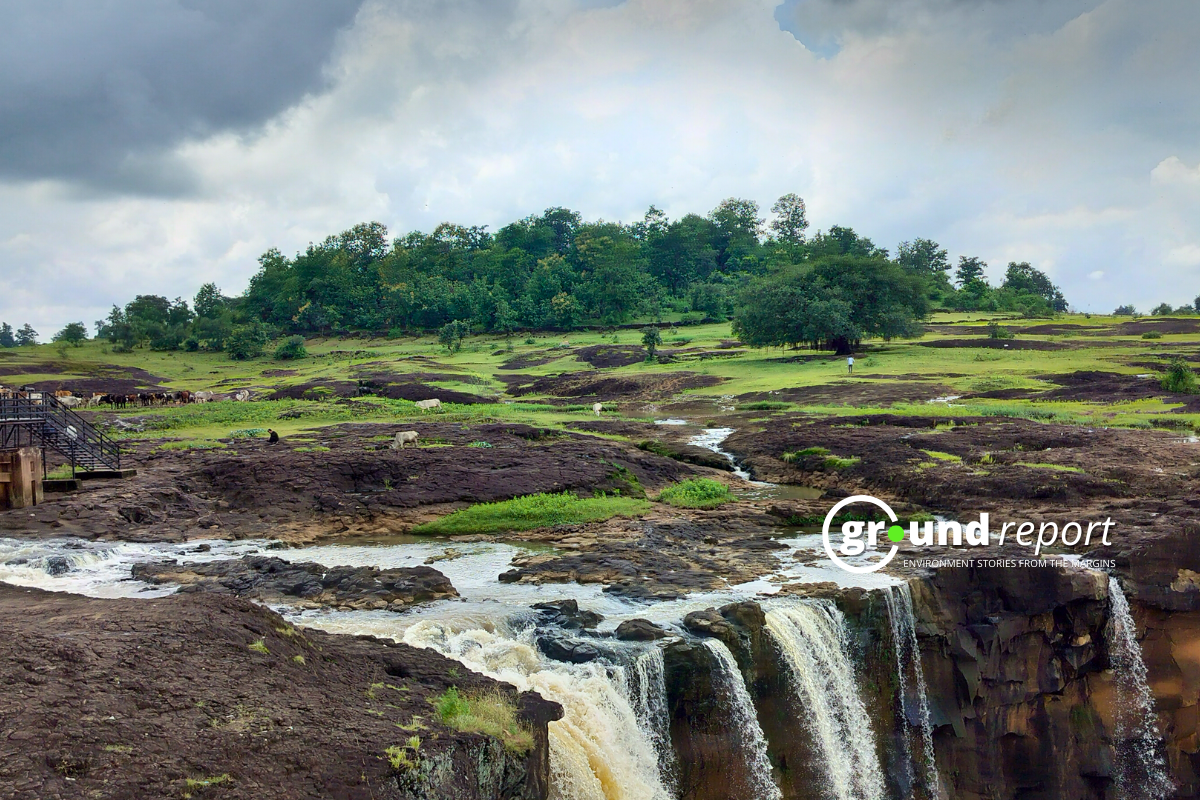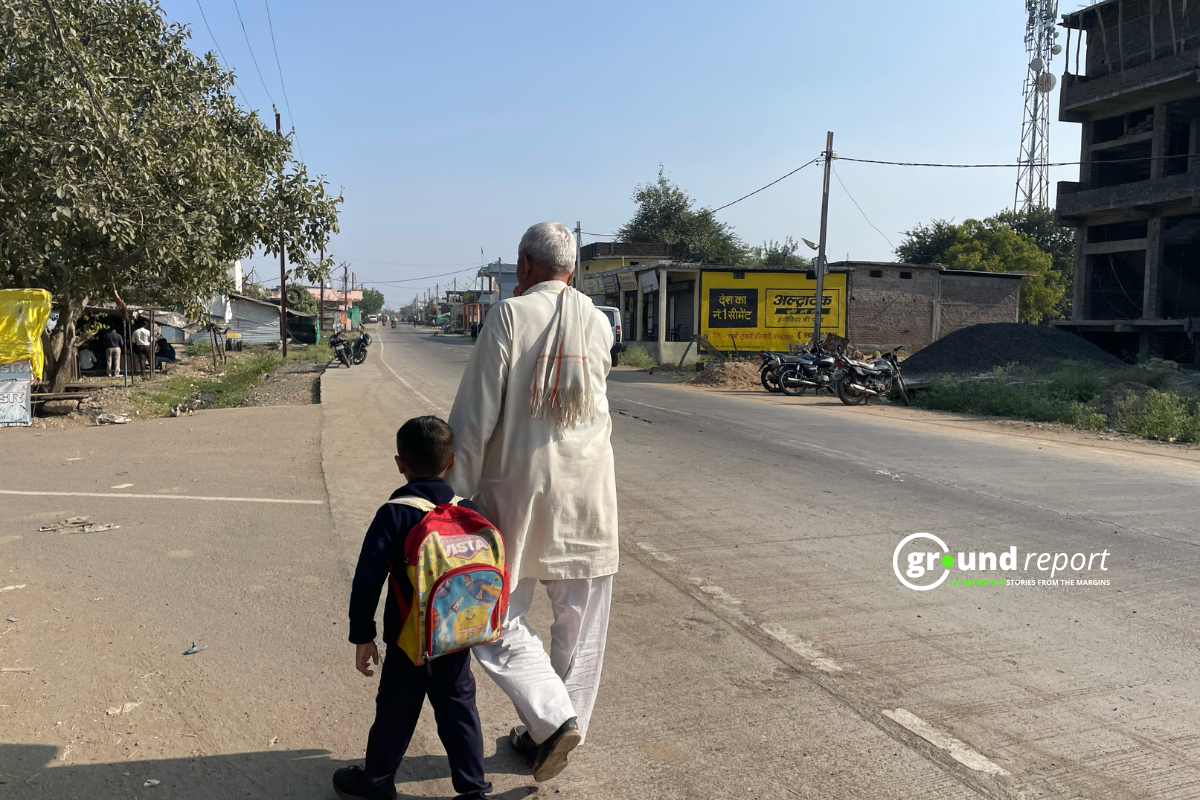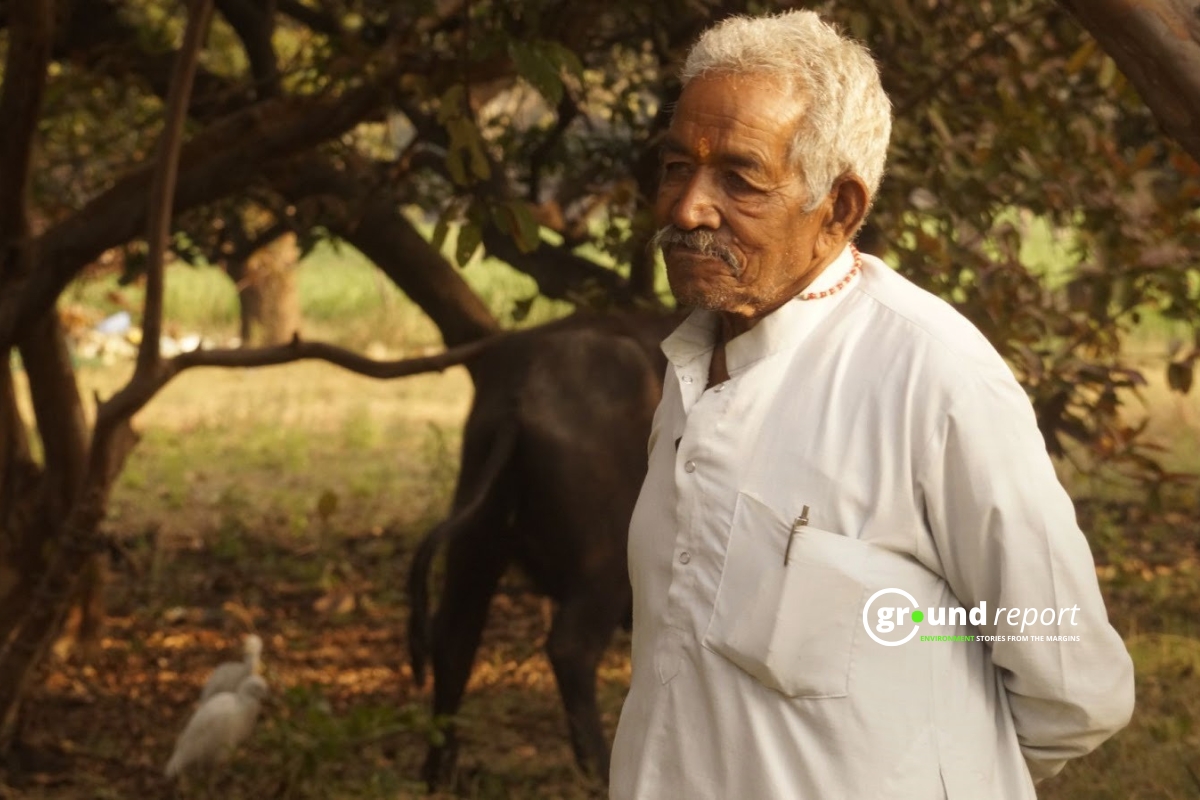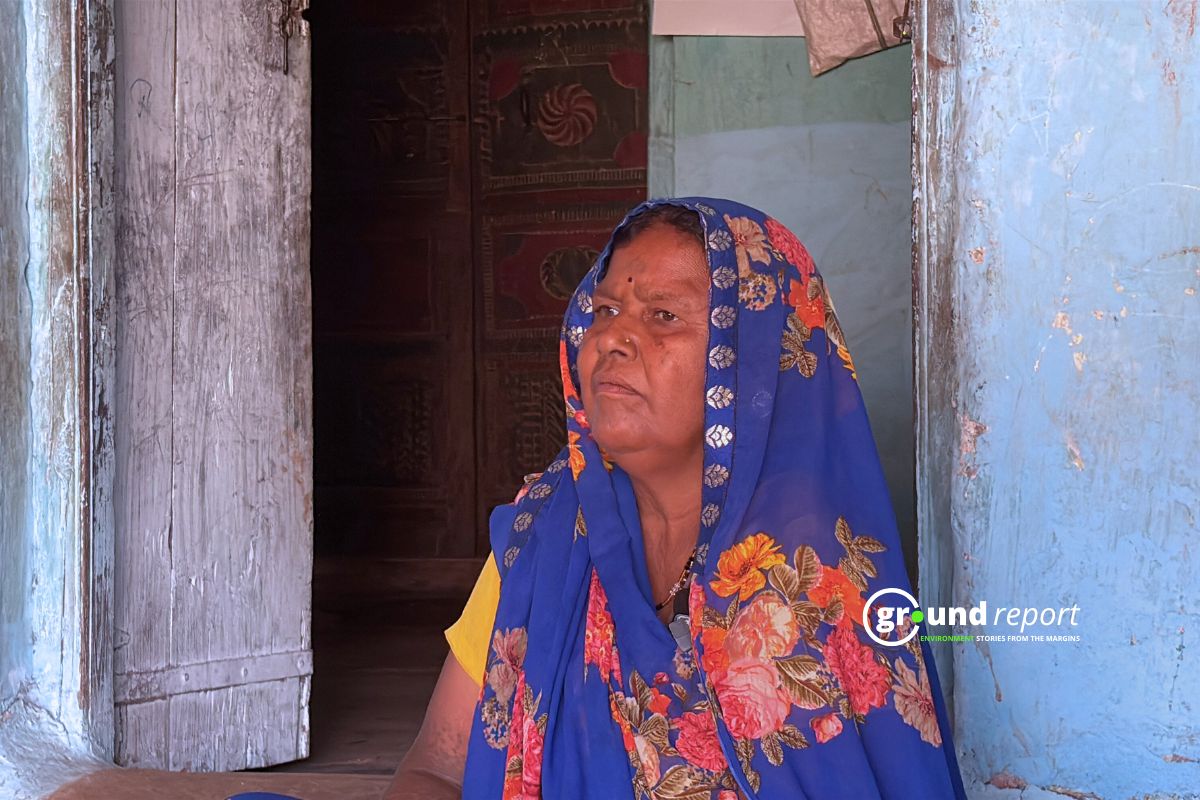
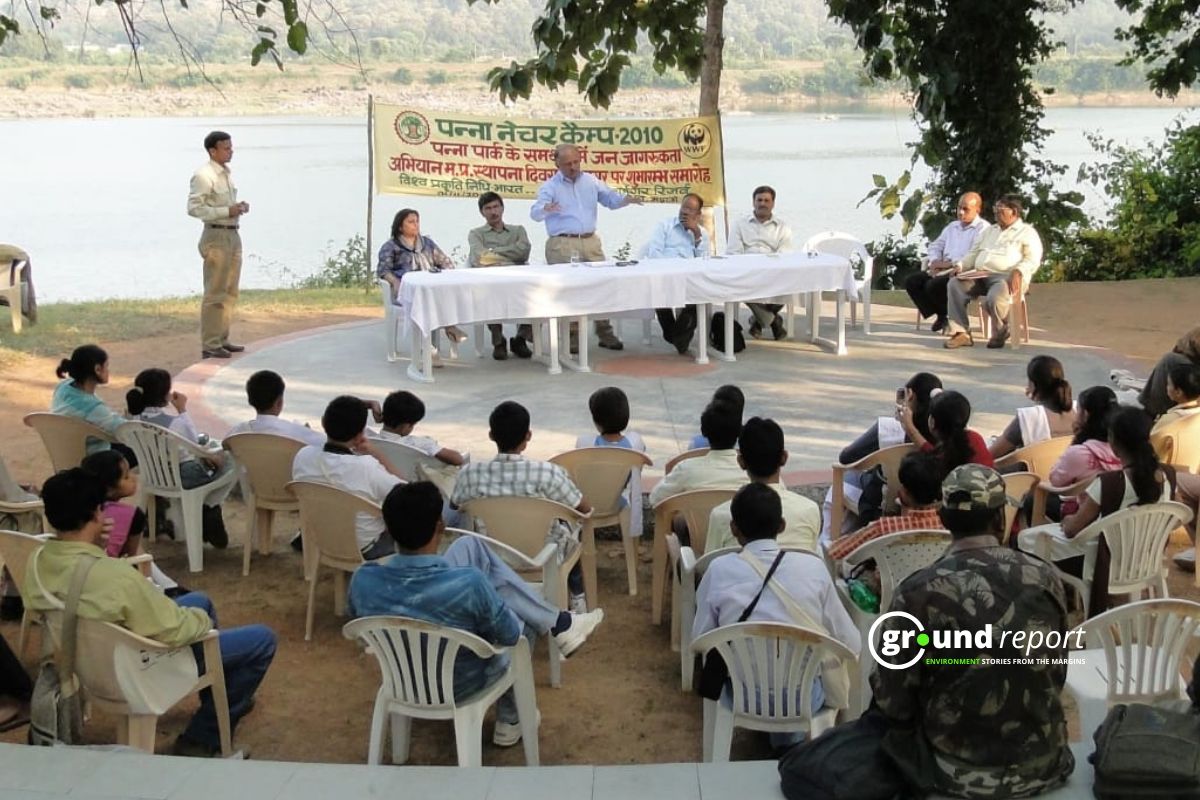
Panna Tiger Reserve, located in the Bundelkhand region of Madhya Pradesh, is home to 55 tigers according to the 2022 census. Tigers are rapidly expanding in this land of diamonds. However, this situation was not always the case. There was a time when tigers had completely disappeared from Panna. But due to the commitment and dedication of local forest officials, this area once again became a haven for tigers.
Generally, there is a deep conflict between the forest department and local people. The local administration not only focused on tigers but also made efforts to bring the community and department closer. A link in this effort is the Panna Nature Camps, which completed 15 years on November 1, 2025.
The camps were conceived during that critical period when Panna had lost all its tigers, and local sentiment was summed up in the phrase “pind chhoota” – expressing a desire to be relieved of the burden. The community viewed the Tiger Reserve as a hindrance to local development, with neither empathy nor sympathy for the loss of tigers.
Then Field Director R. Sreenivasa Murthy, working with Sanjay Thakur of Pune, designed the programme with support from WWF-India. The inaugural camp on November 1, 2010, coinciding with Madhya Pradesh’s formation day, was graced by Ravi Singh, Secretary General of WWF-India. This milestone represents an unprecedented achievement in community engagement for any Protected Area in India, with 365 camps conducted and over 11,000 participants to date.
The Camp Model
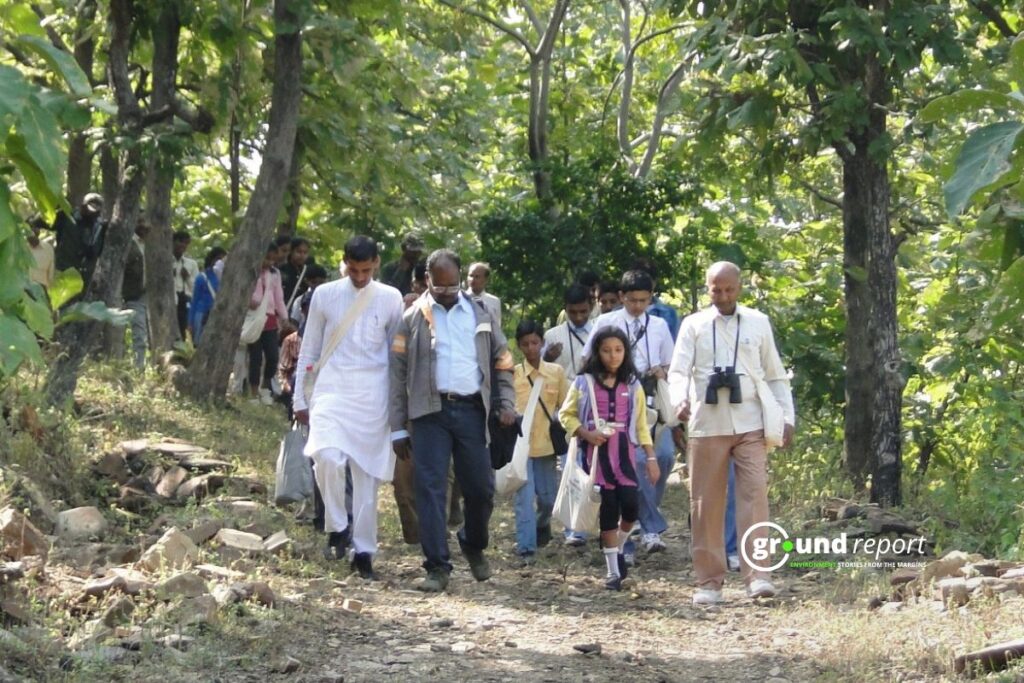
The camps operate on a first-come, first-served basis with registration fees currently at Rs 200 for students and Rs 400 for elders. Each camp begins at 5:30 AM at the PTR office with an orientation session. Participants travel to Hinauta for nature walks near the Majhgawan dam area, learning about ecosystems, plants, animals, and bird watching.
The day includes visits to the Hinauta park interpretation center with interactive sessions using role play and storytelling, followed by park visits to Dhundhwa seha and Pipartola. The programme concludes with an examination to identify the top three participants, with all receiving participation certificates.
Initially, participants traveled in a TATA 407 mini truck, but NMDC Majhgawan later donated a 34-seater bus in 2015, enabling smoother operations.
Recognition and Adaptation
Late teachers Ambika Khare and Devdutta Chaturvedi made immense contributions to the camps’ success, earning the Green Teacher Award from Sanctuary Asia in 2017 – a recognition that brought national attention to this local conservation initiative. Currently, Manish Rawat and Bhavanideen Patel serve as resource persons. The camps have also been extended to rural areas, expanding their reach.
During the COVID-19 pandemic in 2020, the management maintained the programme through online sessions, ensuring continuity despite unprecedented challenges.
Transforming Attitudes and Livelihoods
The camps have successfully transformed local attitudes. Communities once opposed to the park now take ownership of it. The initiative has also boosted local livelihoods through increased tourism. Official data shows that over 2.75 lakh tourists visited Panna Tiger Reserve in 2024-25, including 2.6 lakh Indian tourists and 15,300 foreign tourists, generating gate receipts of Rs 7.42 crore – demonstrating the tangible benefits of sustainable tourism.
Murthy expressed gratitude to WWF-India’s Ravi Singh, WWF-MP-CG’s Sangita Saxena, Sanjay Thakur, NMDC, and all resource persons and field directors who supported the initiative over the years, including Vikram Singh Parihar, Alok Kumar, Vivek Jain, KS Badhoria, Uttam Sharma, Brijendra Jha, Anjana Suchita Thirky, and Naresh Yadav.
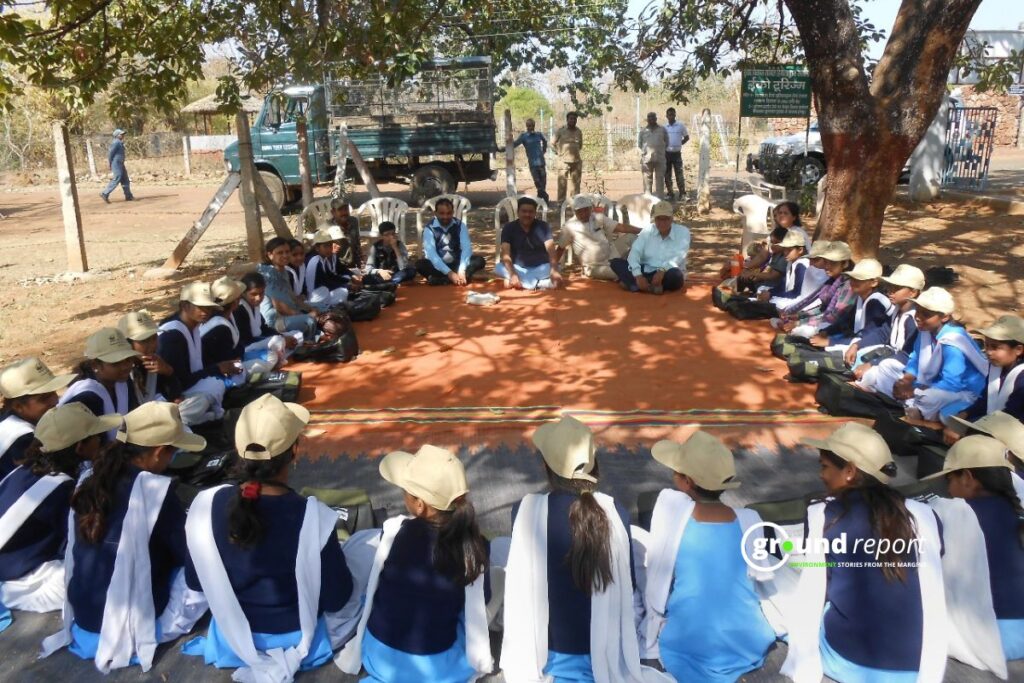
The Panna Nature Camps stand as a testament to the power of community engagement in wildlife conservation. What began as an urgent response to local apathy has evolved into a nationally significant model that proves conservation and community development are not competing goals but complementary ones. The transformation from “pinda choota” to proud custodianship demonstrates that when people are invited to witness and understand their natural heritage, they become its fiercest protectors.
As Panna’s tigers thrive and its tourism flourishes, the camps exemplify the principle of “jan Samrakshan se Baagh Samrakshan” – Tiger Conservation with People’s Support. This 15-year journey offers a blueprint for Protected Areas across India: true conservation success is measured not just in tiger numbers, but in the hearts and minds of the people who share their land with these magnificent creatures. The story of Panna is ultimately a story of reconciliation – between humans and wildlife, between development and preservation, and between a community and its wild heritage.
Support us to keep independent environmental journalism alive in India.
Keep Reading
Elephants Are Back in MP After a Century, But Can They Stay?
Solar Energy – A Paradigm Shift in Wildlife Conservation
Stay connected with Ground Report for underreported environmental stories.