Iranian residents reported dark, oily rain falling over Tehran after Israeli airstrikes hit fuel storage sites across the capital. Scientists say the phenomenon is more dangerous than the term “acid rain” suggests.
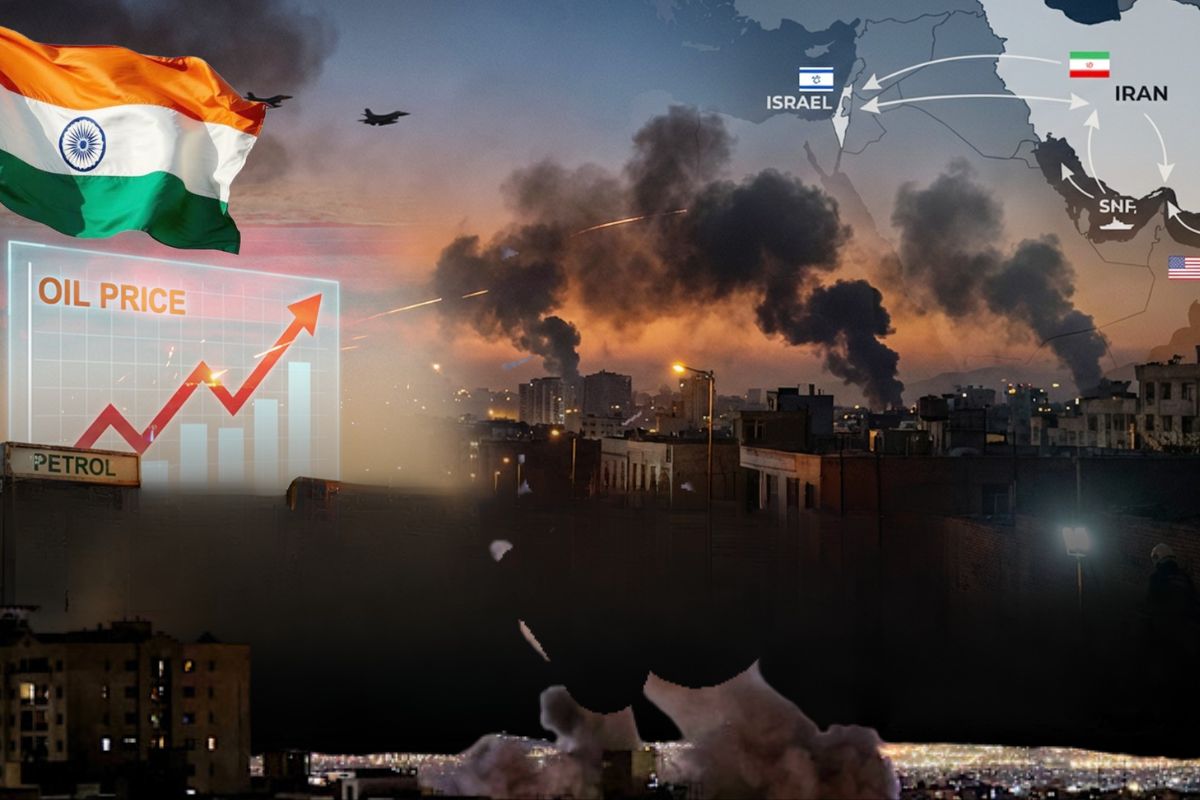
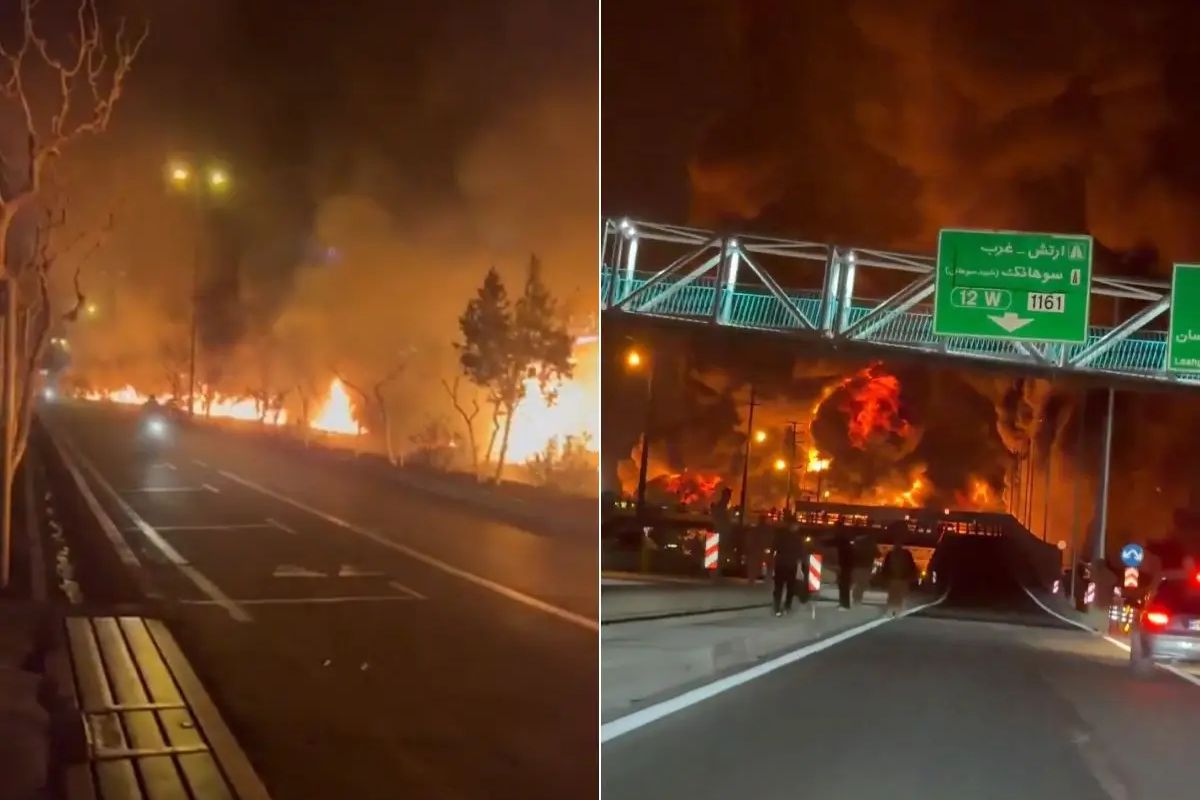
On the night of Saturday, March 8, 2026, Israeli airstrikes struck multiple oil facilities in and around Tehran, including the Aghdasieh oil warehouse, the Shahran oil depot, an oil refinery in southern Tehran, and a depot in the neighbouring city of Karaj. The Israeli military said the targets were fuel storage complexes belonging to Iran’s Islamic Revolutionary Guard Corps.
The strikes triggered massive explosions and fires that burned for hours, sending towering columns of black smoke into the sky above the Iranian capital, a city of nearly 10 million people.
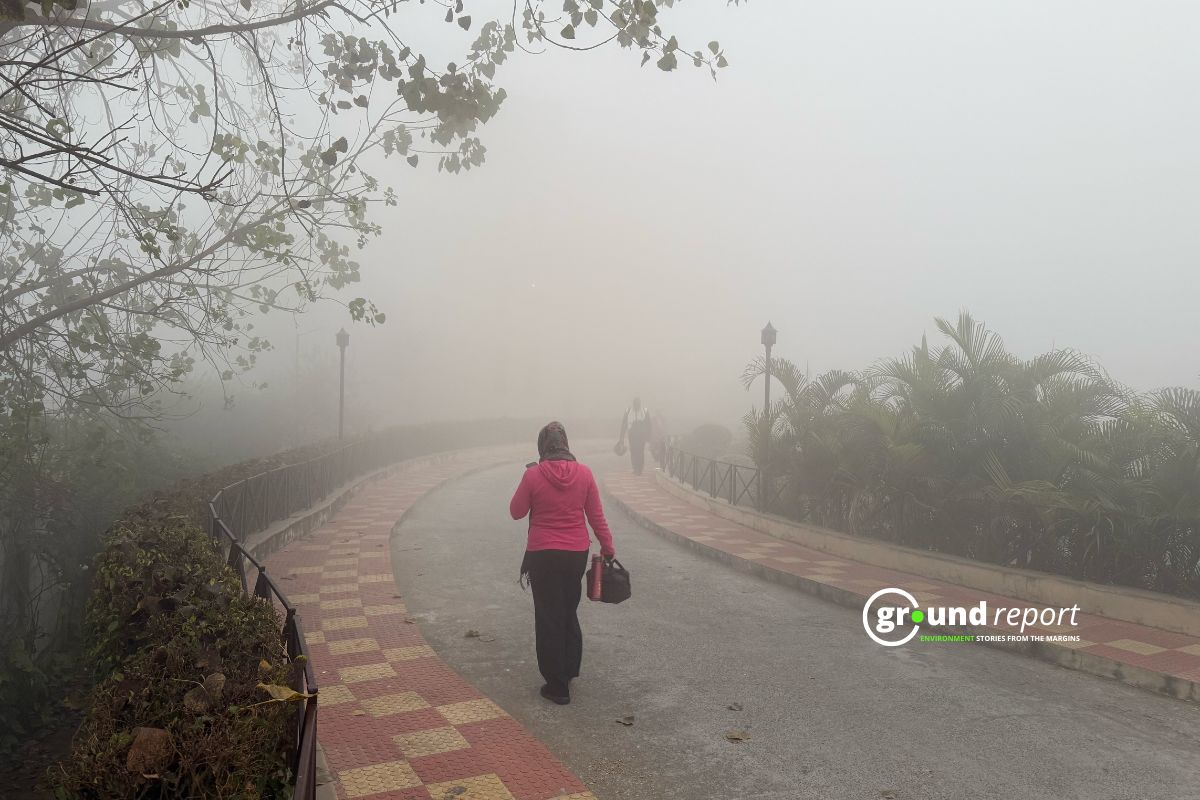
By Sunday morning, residents reported something alarming, the rain falling over Tehran had turned black. Dark, oily residue coated buildings, vehicles and roads. Many people reported headaches and difficulty breathing after stepping outside.
What Is Black Rain?
The black rain over Tehran is not simply acid rain. It is rain that has collected a wide range of toxic pollutants from heavily contaminated air before falling to the ground.
When large fires burn petroleum and fuel, they release a complex mix of substances into the atmosphere. One of the primary ways these pollutants are removed from the air is through rainfall. Water droplets collect contaminated particles as they fall, carrying them down to the surface.
The black colour of the rain indicates the presence of soot, ultrafine particles known as PM2.5, hydrocarbons, and polycyclic aromatic hydrocarbons, a class of compounds known to cause cancer. Heavy metals and inorganic compounds from building materials caught in the blasts are also likely present.
Burning oil also releases sulfur dioxide and nitrogen dioxide. These gases react with moisture in the atmosphere to form sulfuric acid and nitric acid, which then enter water droplets. This is what produces the acid rain component of the phenomenon. However, the full chemical mixture in this case is far more complex and potentially more harmful than acid rain alone.
What Are Health Risks?
Iran’s Red Crescent Society warned that the rain could contain toxic hydrocarbon compounds as well as sulfur and nitrogen oxides, and advised residents to stay indoors, seal windows and doors with damp cloth, and wash any surfaces or clothing exposed to the rain.
In the short term, exposure to the contaminated air and rainfall can cause headaches, skin irritation and breathing difficulties, particularly for people with asthma or existing lung conditions. Older people, young children and pregnant women face higher risks. Studies have linked toxic air pollution exposure during pregnancy to lower birth weights.
Over the longer term, the compounds present in this type of pollution are associated with elevated cancer risk, neurological conditions including cognitive impairment, and cardiovascular disease. Ultrafine PM2.5 particles are small enough to enter the bloodstream when inhaled.
The contamination does not end when the rain stops. Pollutants deposited on roads, rooftops and surfaces can re-enter the air when disturbed by wind, extending the period of exposure for residents.
Once these pollutants wash into rivers and waterways, they can affect aquatic ecosystems and contaminate drinking water sources. Scientists note that large oil fires coinciding with strong storm systems can allow toxic smoke to be swept into cloud systems and redistributed across wide areas.
A meteorologist tracking the storm system said it formed over the Caspian region before moving south across northern Iran, where it interacted with the smoke plumes from the burning depots. The storm has since moved northeast toward Turkmenistan.
Support Us To Sustain Independent Environmental Journalism In India.
Keep Reading
Highway Halt Puts Kashmir’s Fruit Economy at Risk
Railway line expansion plan put Kashmir’s apple orchards at risk
Warmer winters in Kashmir raise concerns over apple and crop yields
Stay Connected With Ground Report For Underreported Environmental Stories.