India and the European Union finalised a landmark Free Trade Agreement on January 27, 2026, creating new export opportunities for Indian farmers while protecting sensitive agricultural sectors from European competition.
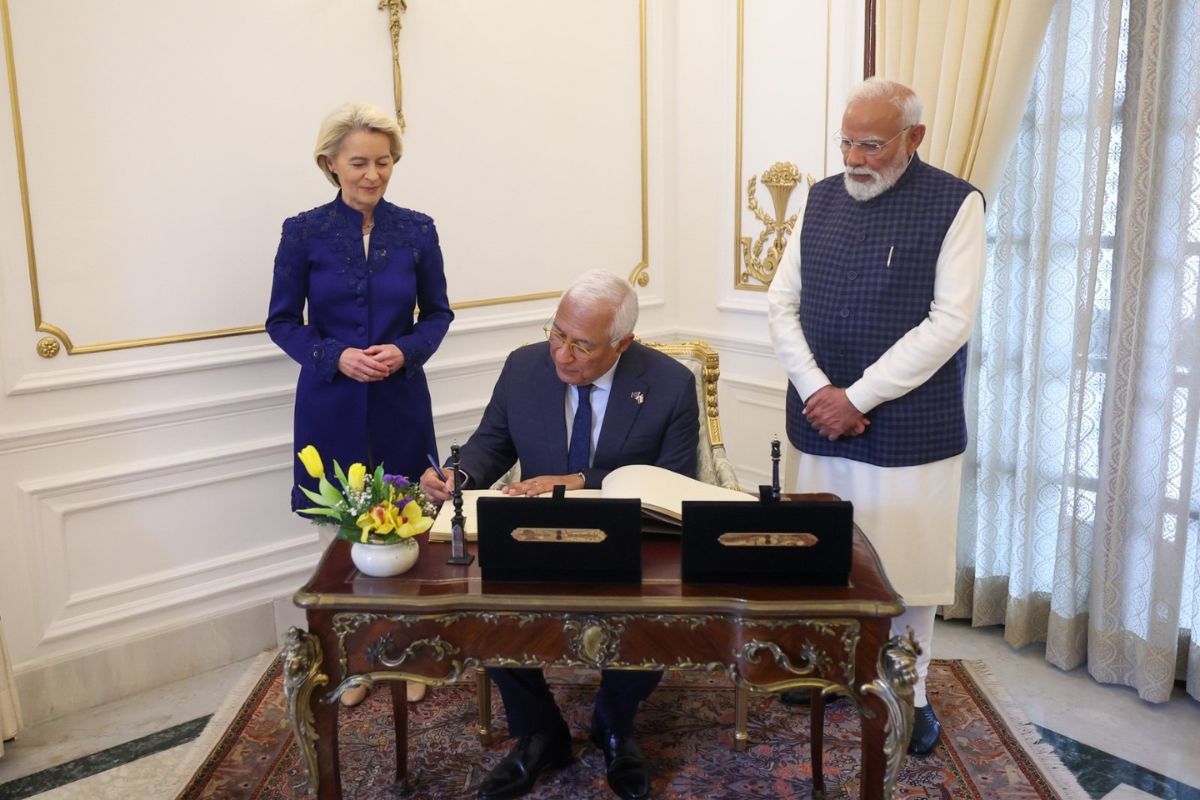
The agreement, announced at the 16th India-EU Summit in New Delhi by Prime Minister Narendra Modi, European Council President António Costa, and European Commission President Ursula von der Leyen, concludes negotiations that began in 2007 but stalled in 2013 before being relaunched in 2022.
“The deal will boost India’s manufacturing and agricultural sectors, while also strengthening growth in services,” Prime Minister Narendra Modi said after the conclusion of the India-EU Free Trade Agreement.
The agreement creates a combined agricultural market serving nearly two billion people, while EU agricultural and food exports to India totaled 1.3 billion euros in 2024.
What Farmers Gain
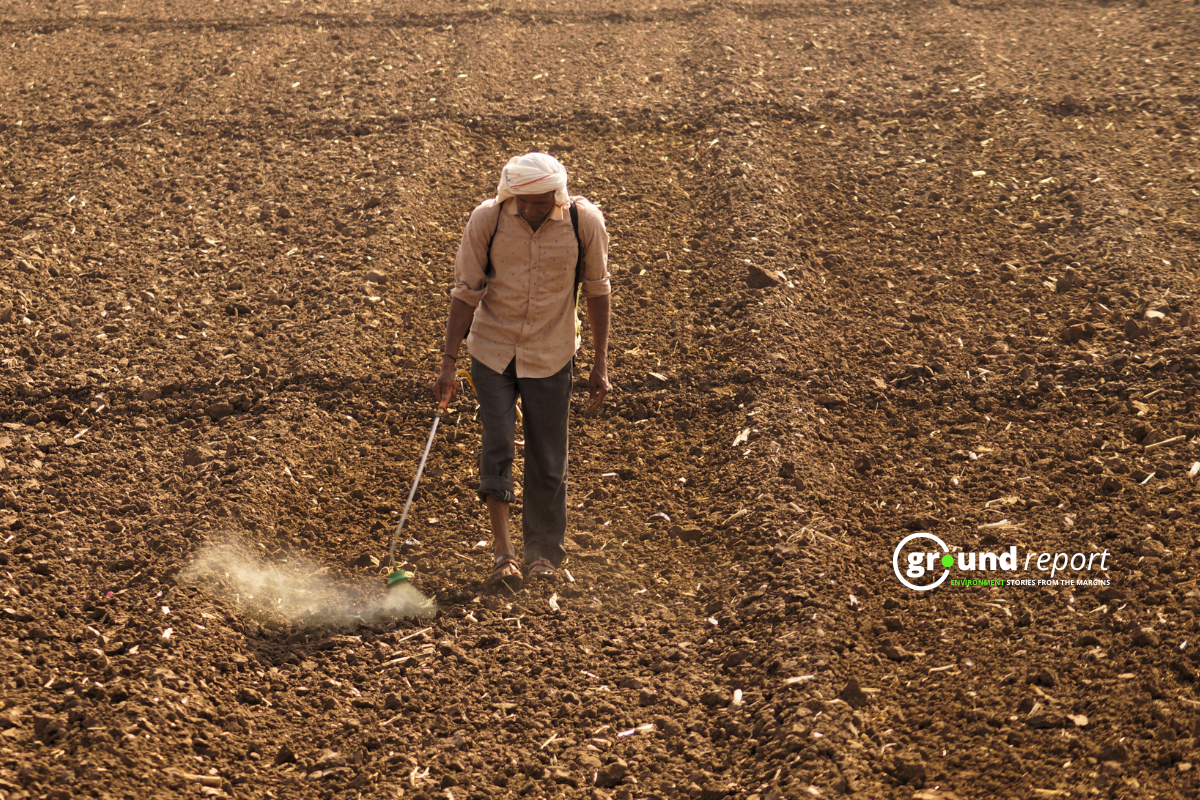
Indian agricultural products, including tea, coffee, spices, fresh fruits, vegetables, and processed foods, will gain preferential access to European markets once the deal takes effect in 2027. Products currently facing EU tariffs as high as 26 percent will enter duty-free.
India produced about 1.36 million tonnes of tea in 2023, according to data from the Tea Board of India, while tea exports were valued at around ₹68 billion in fiscal year 2023–24. Coffee production stood at roughly 320 million kilograms, with exports worth over ₹106 billion, as per official government releases.
The spices sector shows even stronger numbers. India produced 12 million metric tonnes of spices in fiscal year 2024, according to the Spices Board of India. Spice exports hit a record 4.72 billion dollars in fiscal year 2024-25, up 6 percent from the previous year.
The country produced nearly 212 million metric tonnes of vegetables in fiscal year 2023. Fresh fruit and vegetable exports together reached 1.82 billion dollars in fiscal year 2024-25, as per the Agricultural and Processed Food Products Export Development Authority.
According to a statement issued by the Ministry of Commerce and Industry through the Press Information Bureau (PIB), India’s agricultural and processed food sectors are poised for a transformative boost under the India-EU FTA, creating a level playing field for Indian farmers and agrarian enterprises.”
Protected Sectors
“India has prudently safeguarded sensitive sectors, including dairy, cereals, poultry, soymeal, certain fruits and vegetables, balancing export growth with domestic priorities,” according to the commerce ministry’s factsheet.
Dairy products, cereals, poultry, soymeal, and certain fruits and vegetables remain completely protected. The agriculture sector employs close to 44 percent of India’s workforce, making it one of the most politically sensitive areas in trade negotiations, as per government data.
As per EU documentation, the European Union has also maintained protection for its farmers. EU tariffs remain unchanged on beef, sugar, rice, chicken meat, milk powder, honey, bananas, soft wheat, garlic, and ethanol.
According to the agreement, Indian consumers will see reduced prices on several European agricultural imports. Wine tariffs will drop from 150 percent to 75 percent initially, eventually reaching 20 percent for premium wines and 30 percent for mid-range varieties.
Spirits will see duties reduced from 150 percent to 40 percent. Beer tariffs will fall from 110 percent to 50 percent. Olive oil and vegetable oils will enter India duty-free, as per EU documentation.
Processed foods, including bread, pastries, biscuits, pasta, chocolate, and pet food, will see tariffs eliminated.
EU Trade Commissioner Maros Sefcovic confirmed that India’s concerns about agriculture had been addressed. “India’s red lines on agriculture have been respected,” Sefcovic said in an interview with CNBC-TV18.
Safety Standards Enforced
The European Union has made clear that all agricultural imports from India must meet its strict safety standards.
“The EU has very stringent, science-based standards to protect human, animal, and plant health. All products imported from India under the agreement will have to respect these standards,” according to an EU statement.
The EU has earlier flagged quality lapses in Indian Drug exports, pesticide residues in spices, and concerns in food products.
Next Steps
The deal now moves to legal review and translation before submission to the European Council and European Parliament for approval. India must also ratify the agreement through its domestic processes.
Full implementation is expected to begin in 2027, according to government statements. Tariff reductions will be phased in gradually over periods ranging from immediate implementation to ten years.
Support us to keep independent environmental journalism alive in India.
Keep Reading
Small Wild Cats in Big Trouble: India’s First National Report Released
After Tragedy, Families Face Delays in Tiger Attack Compensation
Stay connected with Ground Report for underreported environmental stories.