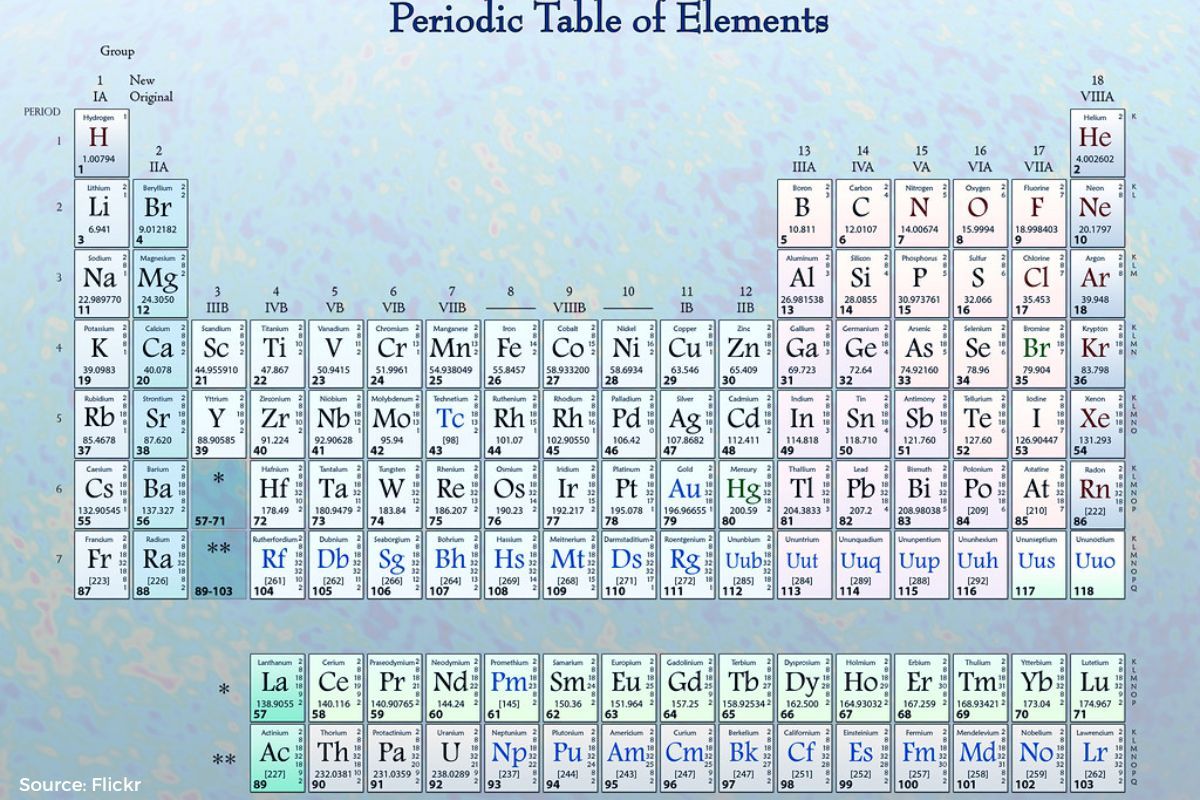
In a recent controversial decision, India removed a chapter of the periodic table of elements from its school curriculum, leaving many educators and scientists concerned. The move comes as part of broader changes to the curriculum affecting students under the age of 16, Nature has reported.
The decision to remove the periodic table has attracted significant attention, with critics arguing that it undermines the foundations of chemistry education. The periodic table is widely considered a fundamental tool for understanding the properties and relationships of the different elements. By removing it from the curriculum, students will be deprived of crucial knowledge and skills needed for further scientific exploration.
Science education experts, including renowned figures such as Jonathan Osborne of Stanford University, have emphasized the importance of the periodic table in the field of chemistry. The absence of it in the curriculum raises concerns about the depth of understanding students will have in this vital scientific discipline.
The National Council for Educational Research and Training (NCERT), responsible for developing the curriculum and textbooks, has justified the changes based on factors such as content overlap, level of difficulty, and relevance.
Critics argue that removing the periodic table and other essential topics reflects a broader trend away from scientific knowledge and rational thought in India. Some speculate that the curriculum revision process has been influenced by the Rashtriya Swayamsevak Sangh (RSS), a volunteer organization associated with the ruling Bharatiya Janata party. Concerns have been raised about protecting Hinduism and promoting ideological agendas at the expense of comprehensive education.
The impact of these changes is significant, affecting approximately 134 million students between the ages of 11 and 18 in Indian schools.
Keep Reading
- 3.7 litres of water used to make one cigarette
- India removed chapters related to water conservation and air pollution from syllabus
- What makes Oman’s Yiti a sustainable city?
- Clean energy manufacturing market to reach $790B by 2030: IEA
Follow Ground Report for Climate Change and Under-Reported issues in India. Connect with us on Facebook, Twitter, Koo App, Instagram, Whatsapp and YouTube. Write us on GReport2018@gmail.com.