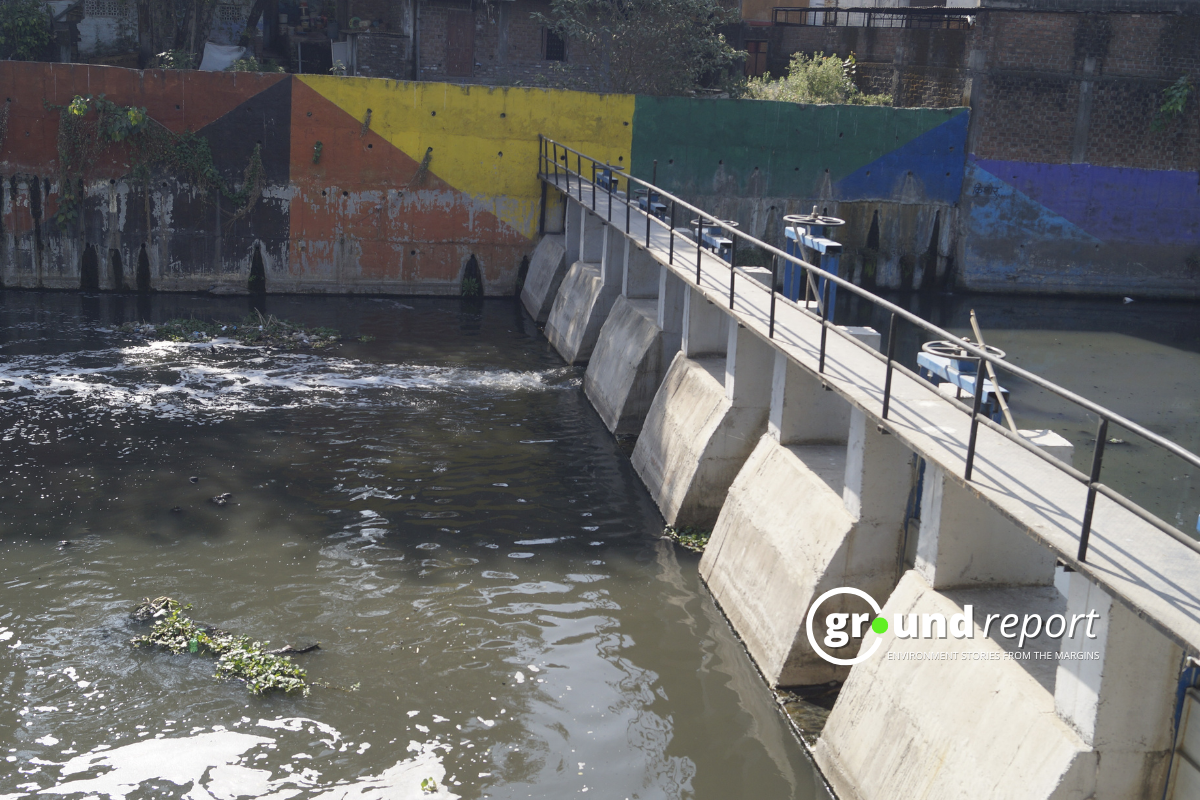
India generates 112 billion litres of wastewater daily, the world’s third-largest producer, according to the Economic Survey 2025-26. And, only 28 percent is treatment, while a mere 8 percent is recycled for reuse.
The Center for Science and Environment projects wastewater generation will increase 75 to 80 percent by 2050, reaching 130,000 million litres daily, 3.5 times the existing treatment capacity.
The urban areas account for two-thirds of India’s wastewater generation, according to the Economic Survey. And less than 27 percent of households are connected to underground sewerage systems. This limits collection and reuse potential.
The Economic Survey cited the Council on Energy, Environment and Water assessment of 503 cities, which found 82 percent either do not reuse treated water or lack functioning infrastructure.
Where Is It Happening
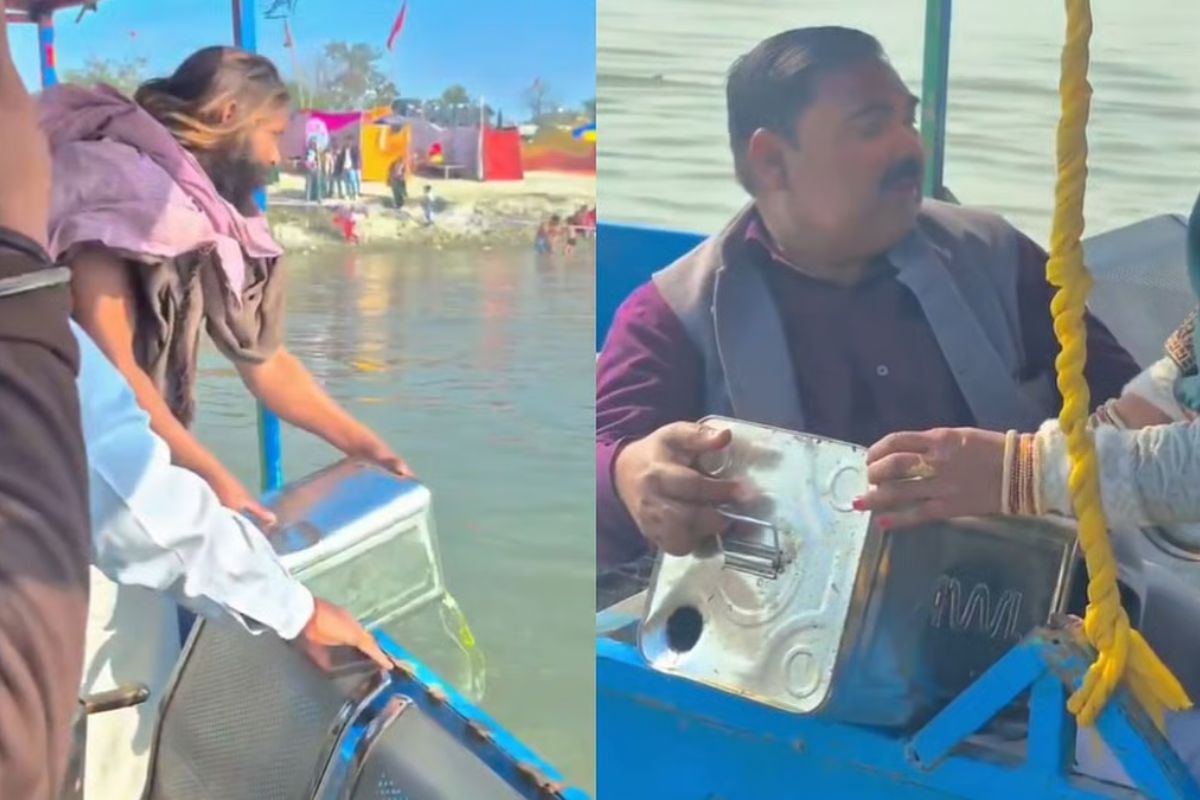
More than half of India’s rivers are highly polluted. A 2018 CPCB study found 13 percent of 351 river stretches were severely polluted and 17 percent moderately polluted, with domestic sewage disposal identified as the biggest pollution source.
A third-party inspection in 2019 found 71 percent of towns along the Ganga directly disposed of waste into the river. And, of Delhi’s 38 monitored sewage treatment plants, only two comply with fecal coliform standards, the CPCB reported.
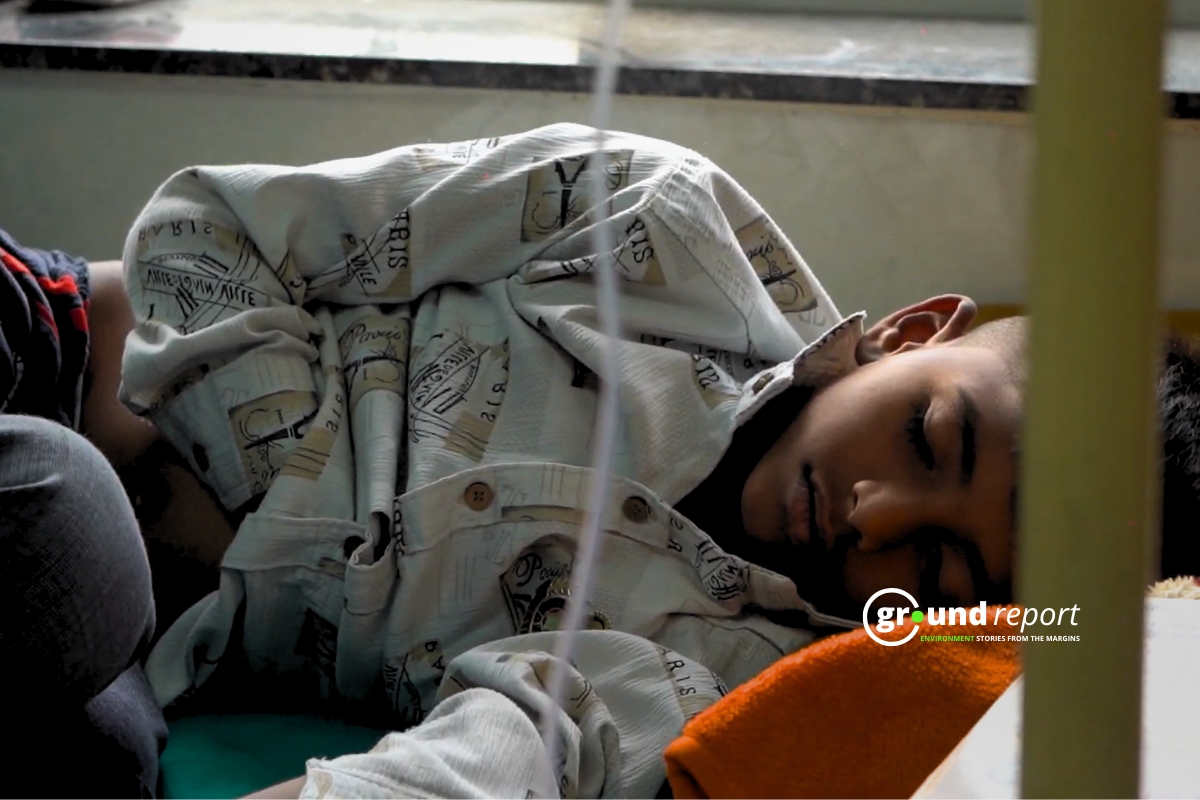
The World Bank links 21 percent of communicable diseases to unsafe water, leading to 1.7 million deaths globally each year.
What Is Being Lost
If cities fully utilized current treatment capacity, they could free up enough freshwater to irrigate an area nine times the size of Delhi. The reuse of treated water for industrial cooling, construction, and landscaping could create a market worth Rs 2.4 to 3.2 lakh crore by 2047, generating over one lakh jobs.
India is water-stressed, with per capita freshwater availability at 1,486 cubic meters. Hence, the 2025-26 survey advocates a circular water economy where treated water is reused for non-potable purposes.
Waiting for a comment from a CSE expert. Already in touch with Sukanya Nair
What Is Being Done
As per the Economic Survey, the Jal Hi Amrit initiative under AMRUT 2.0 incentivizes states to manage sewage treatment plants efficiently. As part of this, 860 plants with a capacity of 17,613 million litres per day have been enrolled.
The Ministry of Housing and Urban Affairs estimates that 1,992 million litres per day of reuse capacity is currently planned.
Odisha implemented a model: sewage system for large cities and faecal sludge management for small towns, creating 13 sewage treatment plants and 112 faecal sludge treatment plants. This improved water quality in 17 out of 19 polluted river stretches between 2017 and 2023, the CPCB reported.
How to Fix It
Achieving 100 percent sewage treatment requires a capital investment of Rs 1.5 to 2.3 lakh crore in technologies by 2047, the Survey states. Future infrastructure should prioritize decentralized treatment, reuse, and energy recovery at the neighborhood level, citing Surat as an example.
Grey-water reuse, using treated wastewater from households such as bathwater and kitchen waste, excluding toilet sewage enforced through building codes in water-stressed cities. The Survey suggests offering treated water to industrial units at discounted prices to make the circular economy financially attractive.
Support us to sustain independent environmental journalism in India.
Keep Reading
Story of Mala Nimbalkar: Rag Picker to Manager of MRF centre in Bhopal
In Bhopal’s Idgah Hills, Who is Segregating Our Plastic Waste?