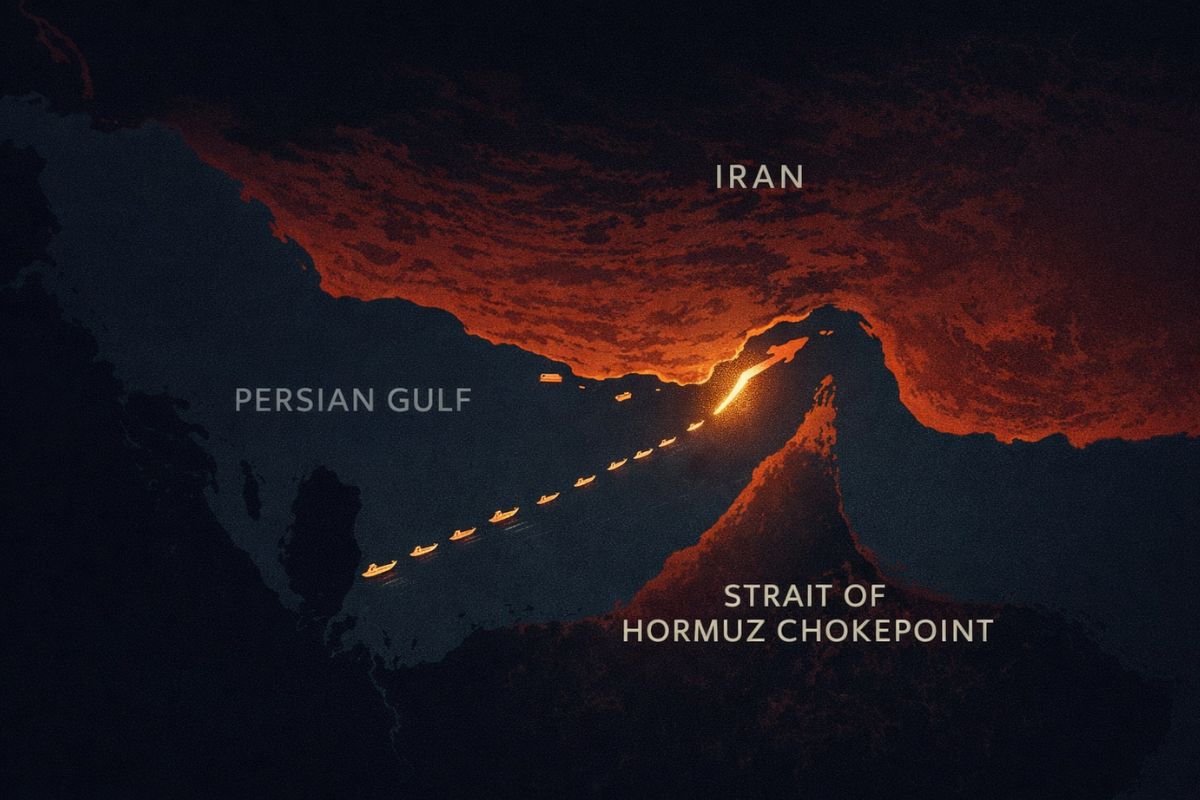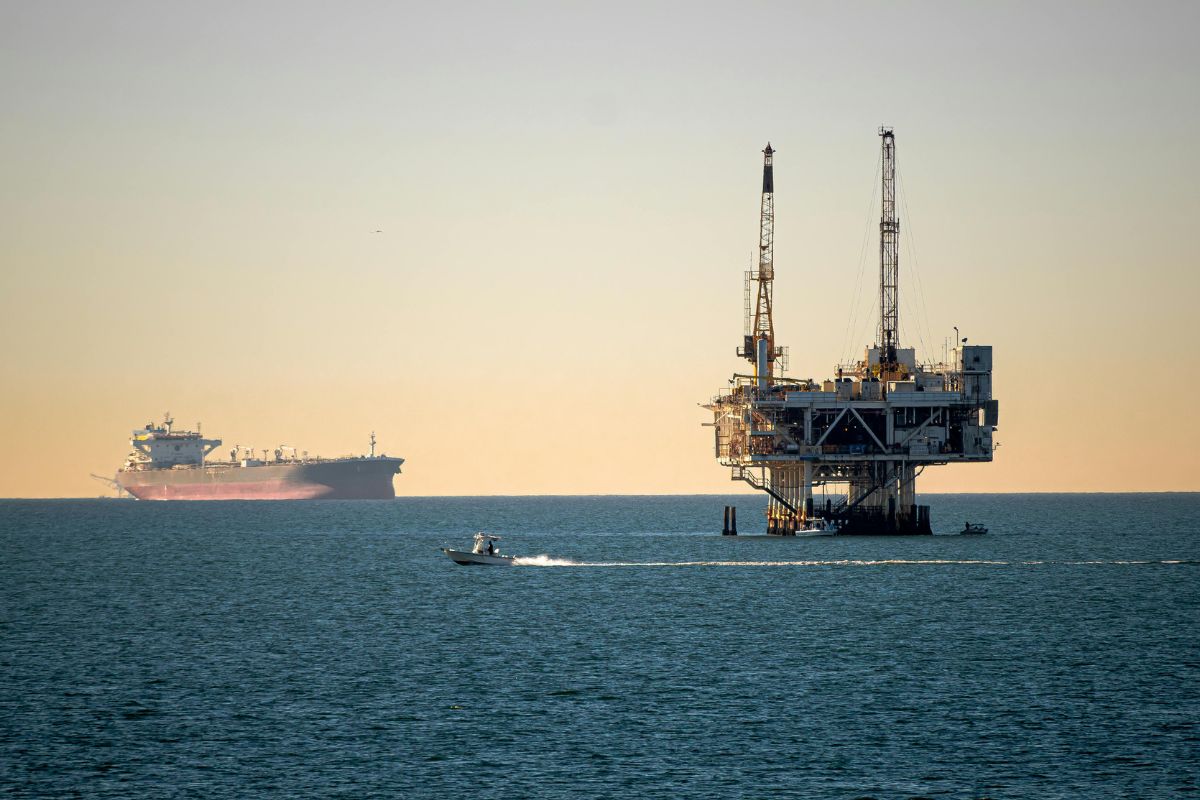
India’s clean energy transition depends on supply chains that pass through the same waters now under military threat. The US-Israel-Iran conflict is not just disrupting fossil fuel supply, it is hitting the infrastructure India needs to move away from fossil fuels.
Clean Energy Components Flow Through Hormuz Too
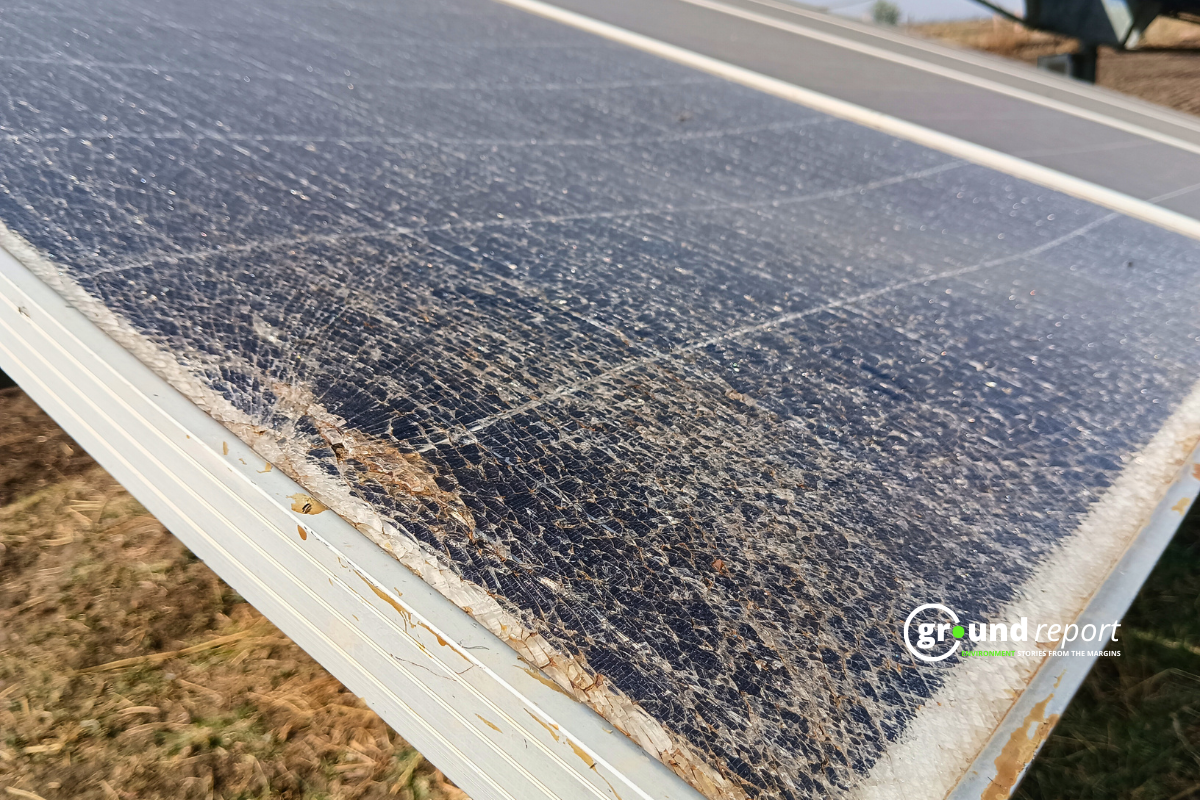
Significant shipping traffic carrying renewable energy components, critical minerals, and e-mobility materials flows through the Strait of Hormuz. Solar panels, wind turbine components, lithium, cobalt, and other critical minerals used in batteries and clean technology move through these routes. A sustained disruption delays projects, raises component costs, and slows the deployment timeline India has committed to.
The UAE, India’s largest Middle East trade partner, had been expanding cooperation with India on renewables, green hydrogen, and critical minerals. Dubai served as the primary regional logistics hub for these materials. With the conflict drawing the UAE into geopolitical uncertainty, those joint ventures and supply arrangements face new risk.
Rupee Makes It Worse
Elevated oil costs also raise demand for dollars, weakening the rupee. A weaker rupee makes imported clean energy components more expensive, adding cost pressure to an already capital-intensive transition.
“Reducing dependence on imported conventional energy sources through rapid deployment of clean technologies is no longer just a climate imperative but a strategic necessity,” said Aarti Khosla, Director of Climate Trends. “The wisdom of accelerating our clean energy ambitions becomes even more apparent for energy security in an increasingly volatile West Asian landscape.”
Vaibhav Chaturvedi, Senior Fellow at CEEW, said the moment calls for immediate action. “This is a moment to bring investments to ramp up plans to scale up electrification of the power and transport sector faster as the ultimate solution to energy security.”
Nuclear Energy Enters the Debate
The conflict also adds fresh momentum to the debate around nuclear energy as a long-term domestic energy source, one that removes India from the cycle of import dependence entirely.
The same conflict that makes fossil fuel imports more expensive is also making the clean energy transition harder. India needs to move faster, and the war is slowing down the very supply chains that would allow it to do so.
Support Us To Sustain Independent Environmental Journalism In India.
Keep Reading
Highway Halt Puts Kashmir’s Fruit Economy at Risk
Railway line expansion plan put Kashmir’s apple orchards at risk
Warmer winters in Kashmir raise concerns over apple and crop yields
Stay Connected With Ground Report For Underreported Environmental Stories.