Before a single cargo ship changes its route, the cost of moving goods in and out of India has already gone up. Shipping insurance rates jumped 50 percent overnight after US and Israeli strikes on Iran triggered fears of a broader conflict across the Persian Gulf.
Why Insurance Costs Hit Everyone
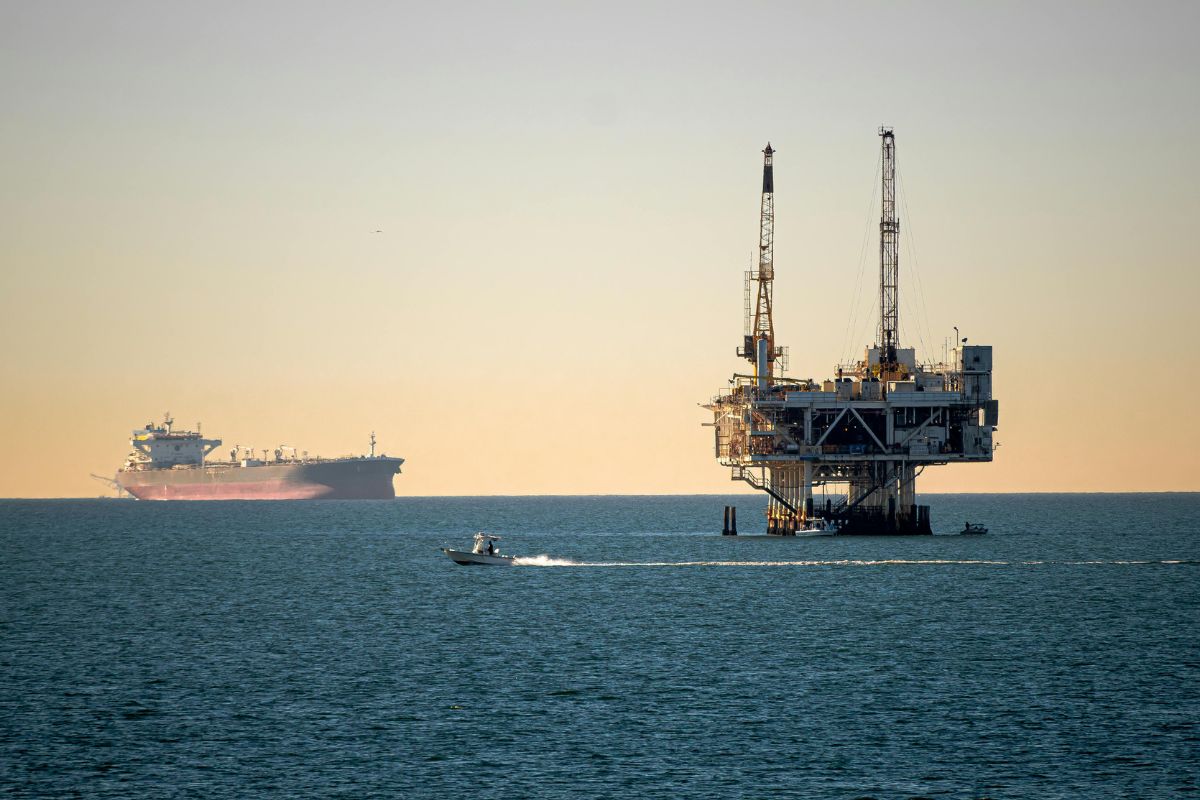
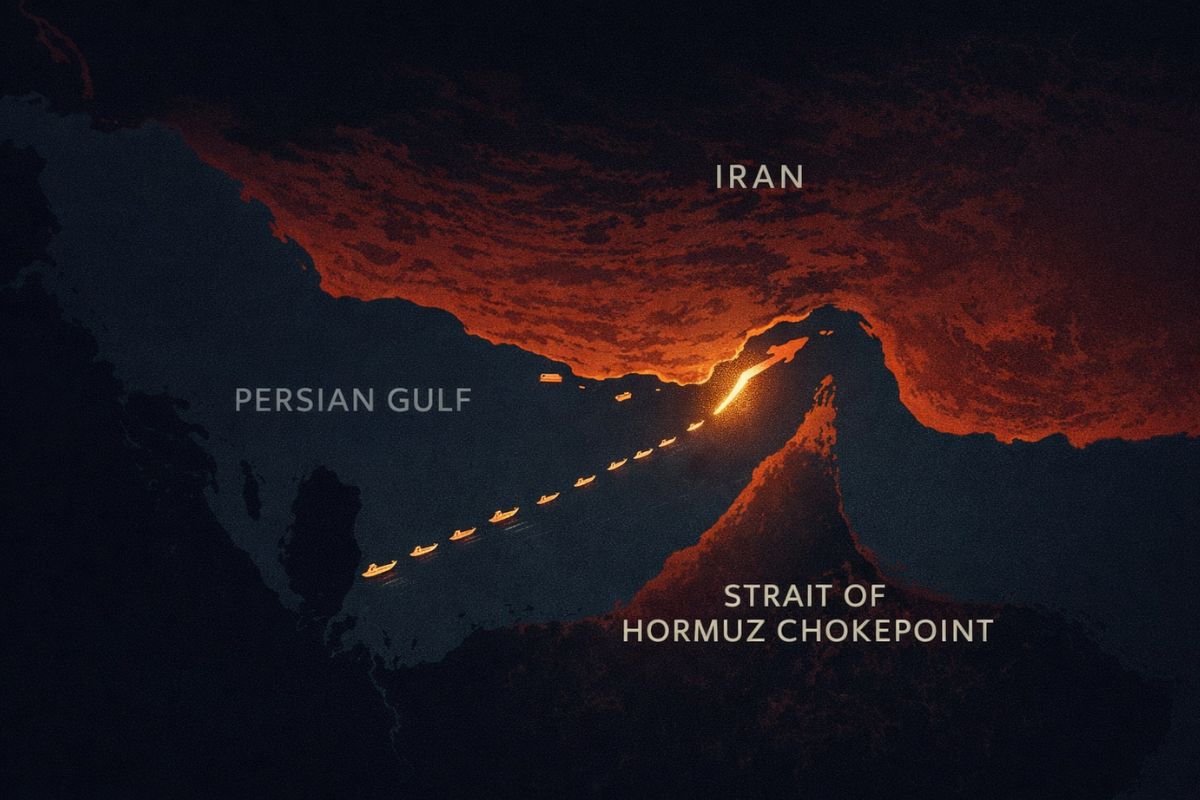
The Strait of Hormuz is the world’s most critical maritime oil corridor. It handles between 20 and 25 percent of global crude supply daily. Iran has warned ships on VHF radio that they will not be allowed to pass. That warning alone is enough to push insurers to reprice risk sharply.
Higher insurance costs do not stay with shipping companies. They move into freight rates, then into the cost of every imported and exported commodity, crude oil, LNG, basmati rice, tea, machinery, electronics, and fertilisers. For a trade-dependent economy like India, this is a tax on everything that moves through a port.
India’s Government Response
India’s Director General of Shipping has issued a circular advising all Indian seafarers, recruitment agencies, shipping companies, and trade unions not to deploy Indian crews to Iran. This is a precautionary measure, but it signals how seriously the government is treating the maritime risk.
Dubai’s Stability Under Question
The UAE and Dubai, which handle a significant share of India’s Middle East trade logistics, built their reputations as politically insulated commercial hubs. That reputation is now under pressure. Dubai finds itself entangled in one of the sharpest geopolitical escalations in recent history, and its role as a regional re-export and logistics centre for goods flowing to and from India faces new uncertainty.
“The conflict in West Asia and its repercussions raise the risks to supply chains, test energy security, and increase insurance costs and fuel inflation if energy prices remain elevated, as is expected if the Strait of Hormuz is blocked,” said Archana Chaudhary, Associate Director at Climate Trends.
She added that despite rising risks, India’s economy is relatively better placed than most to absorb the immediate shock — but the window for absorbing it without structural damage narrows the longer the conflict continues.
Support Us To Sustain Independent Environmental Journalism In India.
Keep Reading
Highway Halt Puts Kashmir’s Fruit Economy at Risk
Railway line expansion plan put Kashmir’s apple orchards at risk
Warmer winters in Kashmir raise concerns over apple and crop yields
Stay Connected With Ground Report For Underreported Environmental Stories.