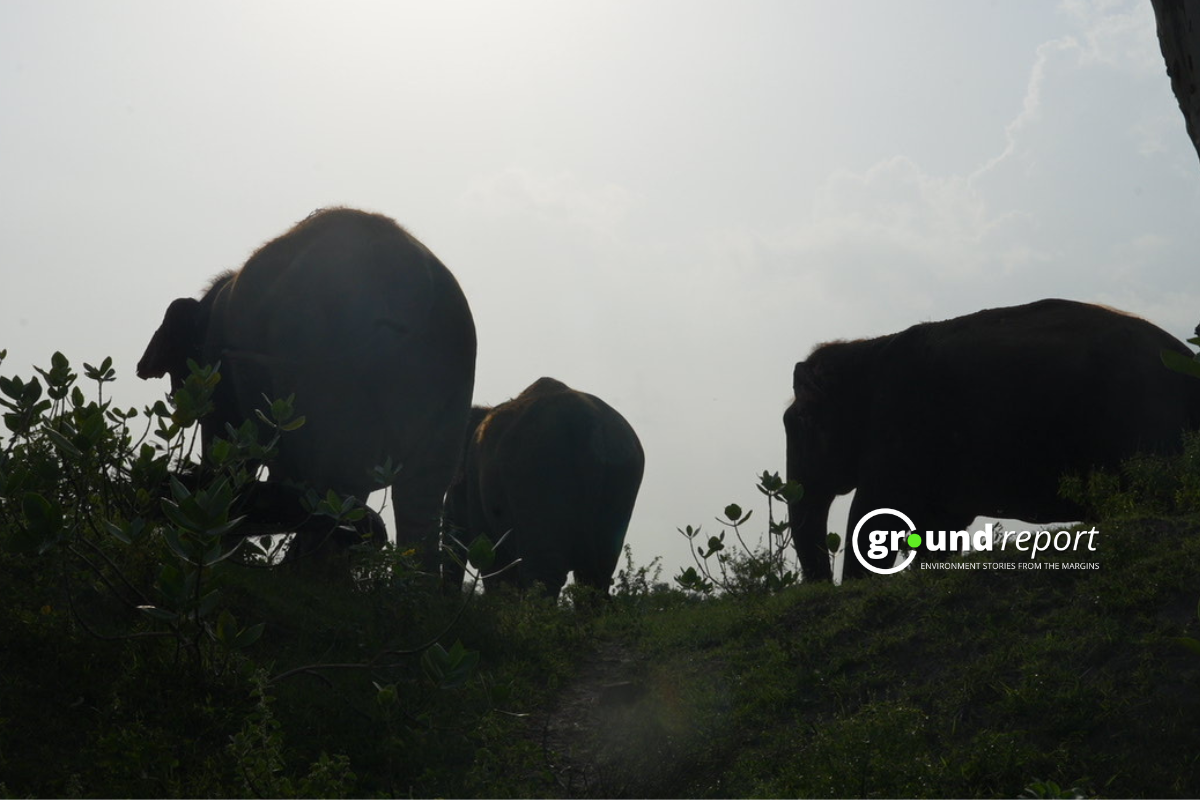
Between 2000 and 2023, wild elephants killed 1,340 people and injured 400 others in Jharkhand, India. The numbers tell a story of habitat destruction, industrial expansion, and communities trapped between survival and conservation.
A new study published in the journal Ecology and Evolution analyzed 23 years of conflict data from 22 Forest Divisions across the state. The research mapped every reported incident, identified the factors that drive deadly encounters, and pinpointed villages where targeted action could save lives.
“Ranchi recorded the maximum number of affected villages, followed by East Singhbhum and Saraikela,” the researchers wrote. In total, 480 villages experienced human-elephant conflict during the study period.
The findings show that proximity to forests, water bodies, roads, and mining sites significantly increases the risk of fatal encounters. Habitat fragmentation emerged as a key driver, with elephants forced into closer contact with human settlements as their traditional migration routes disappear.
Where Conflict Hits Hardest
Ranchi division recorded the highest toll, with 391 deaths and 194 injuries. Khunti followed with 131 deaths and 16 injuries. East Singhbhum reported 68 deaths and 8 injuries. Hazaribagh and Palamu also experienced frequent incidents.
The study used kernel density mapping to identify conflict hotspots. These areas clustered around Ranchi, Khunti, and East Singhbhum, with expanding zones near protected areas including Hazaribagh, Palamu, and Dalma Wildlife Sanctuary.
Men comprised the vast majority of victims. The gender difference was statistically significant, with males accounting for far more fatalities and injuries than females.
Most incidents occurred during the monsoon season from June to September. The researchers suggest that poor visibility in dense forests during heavy rains makes it harder for people to spot elephants, leading to more frequent encounters.
The Industrial Factor
Jharkhand produces more coal and iron ore than any other Indian state. Numerous mines operate inside or near major elephant habitats. The study found that conflict probability was higher in areas close to mining activity and declined with increasing distance.
Open-cast mining has destroyed thousands of hectares of prime elephant habitat in Jharkhand and neighboring Odisha. This destruction eliminated traditional transit paths and forced elephants into agricultural landscapes and villages.
The researchers noted that mining landscapes act as conflict hotspots due to combined effects of habitat fragmentation and dense human presence. Roads built to support mining and other industries also disrupt elephant movement corridors.
The study calculated that approximately 1,340 kilometers of railway networks pass through elephant habitats in the region. These linear barriers alter elephant movement patterns and increase conflict, particularly in Assam, Odisha, and Jharkhand.
Why Villages Differ
The researchers divided villages into three categories based on conflict frequency: high (more than 20 incidents), medium (11 to 20 incidents), and low (1 to 10 incidents). They then analyzed ecological and human factors in each category.
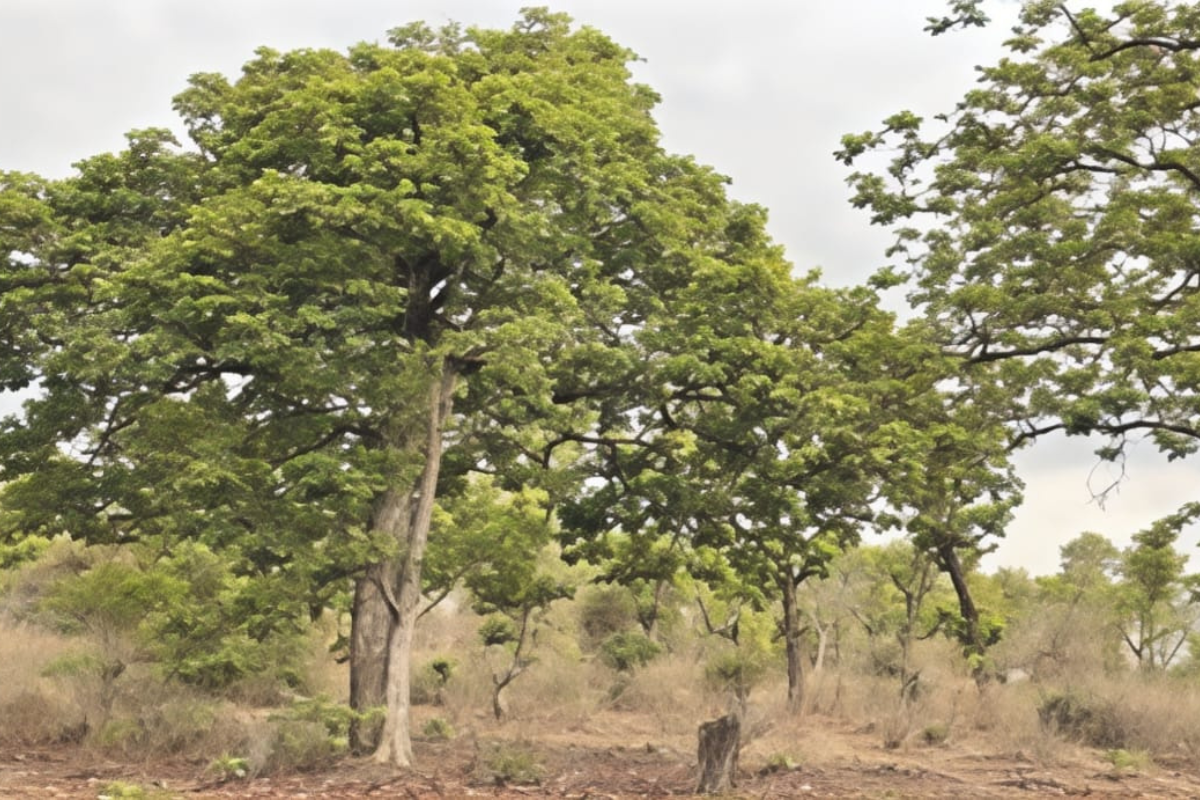
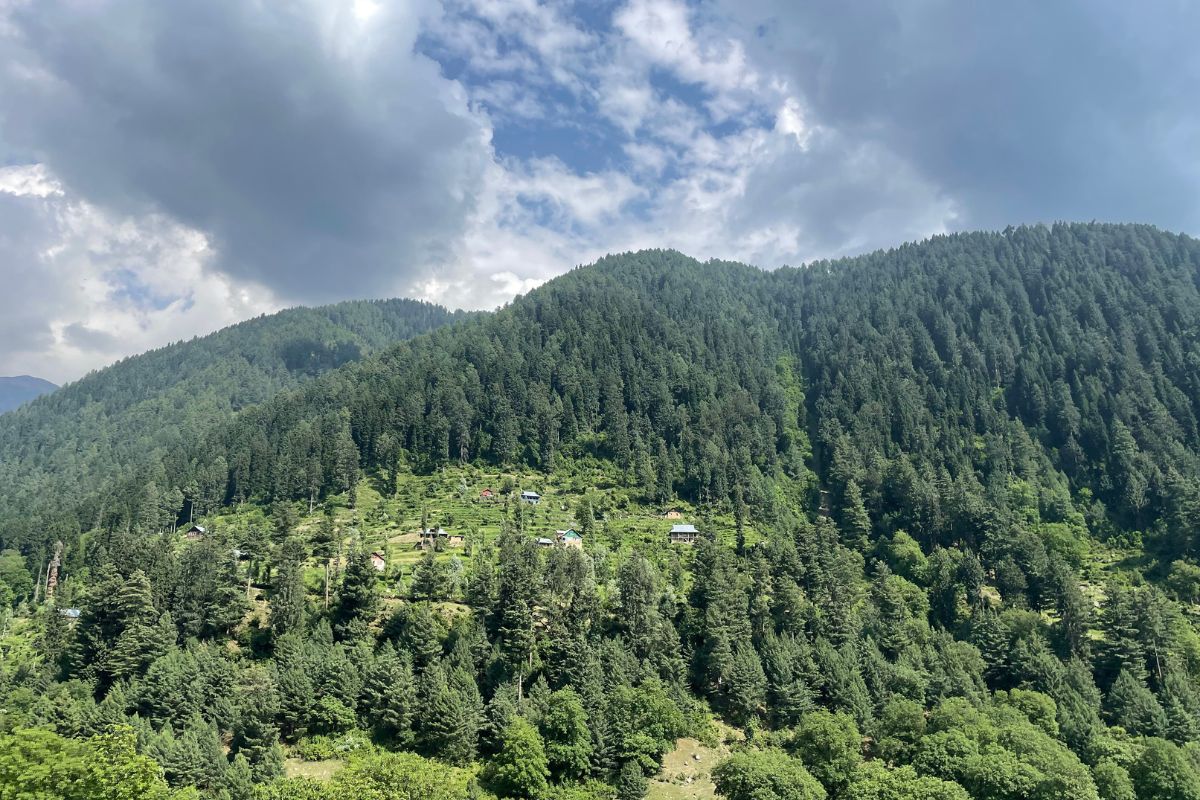
Villages without conflict incidents had the highest forest cover. This supports the idea that intact, undisturbed forests act as natural buffers, reducing human-elephant interactions.
High-conflict villages had relatively low forest cover. Fragmentation forces elephants to traverse human-dominated landscapes where they encounter people more frequently.
These same villages showed the highest cropland percentages. Elephants are attracted to crops because they are more nutritious and energy-rich than natural forage. This is especially true when fields occur adjacent to forest edges.
Road density proved significant. High-conflict villages showed a strong positive correlation with road density, which fragments elephant habitats and disrupts traditional corridors.
Water availability also influenced conflict patterns. High-conflict villages had less water, supporting earlier findings that scarcity drives elephants into settlements. Elephants require substantial daily water intake, forcing them to converge with people at limited water sources, particularly during the dry season.
Built-up areas were more prevalent in high-conflict villages. Urbanization further reduces available space for elephants and increases the likelihood of encounters.
Elephant Reserves, Protected Areas
The pattern around protected areas surprised researchers. Elephants in Jharkhand are not restricted to protected areas, resulting in high conflict incidence even in regions far from them.
Elephant Reserves extend beyond protected area boundaries. Conflict incidence tended to decrease with increasing distance from these reserves. However, conflict increased with distance from protected areas themselves.
The researchers explained that most conflicts concentrate along corridors and their surrounding areas, where elephant movement and human activities overlap significantly.
Important elephant habitats in Jharkhand include Saranda Forest, Palamu Tiger Reserve, and Dalma Wildlife Sanctuary. These areas also serve as migration corridors connecting Jharkhand with West Bengal, Odisha, and Chhattisgarh.
Elephants migrate seasonally before and after monsoons in search of water and food. These movements bring them into closer proximity with human settlements.
The Human Cost
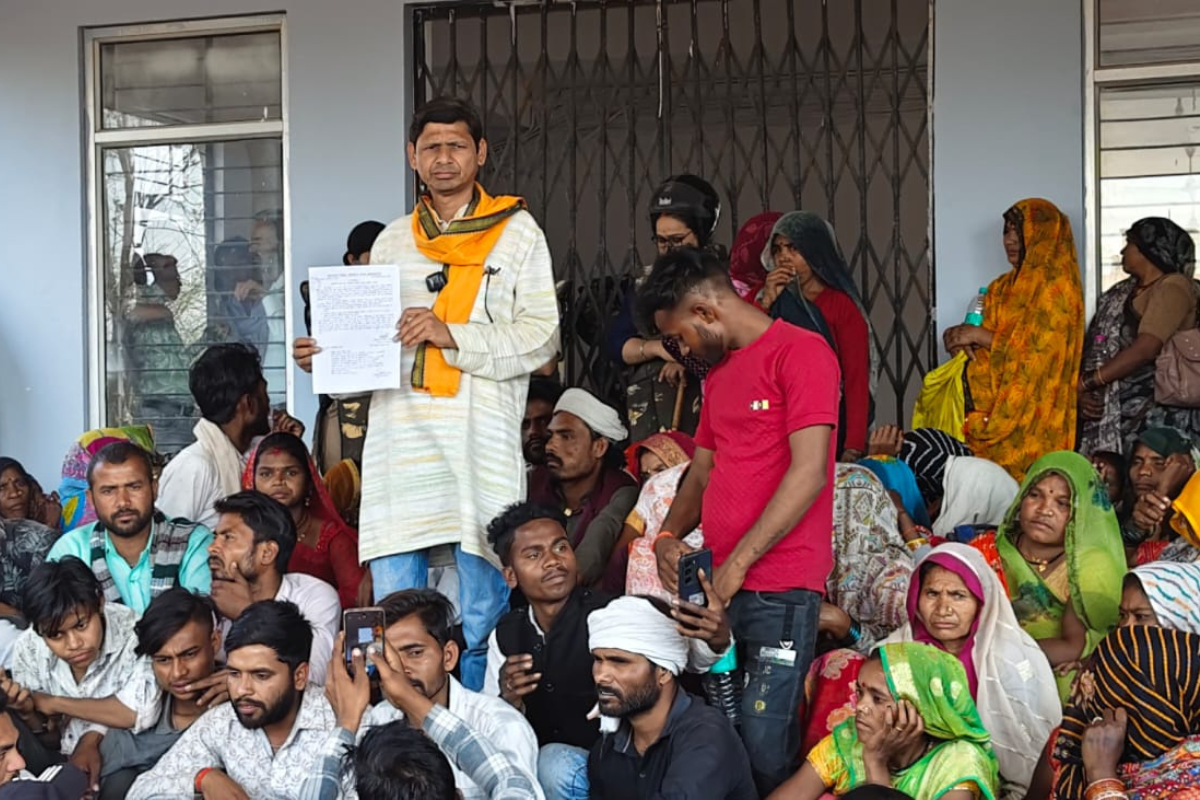
Communities living in and around forested areas are particularly vulnerable. Many indigenous tribes rely on forest resources for food, fuel, and medicine. The loss of crops and property due to elephant raids has severe economic consequences for households with limited alternative income sources.
Government compensation programs exist, but many community members report that payments are insufficient and delayed. This has created frustration and resentment toward elephants, complicating efforts to promote human-wildlife coexistence.
Human injuries or deaths caused by elephants typically result from accidental encounters. People cross paths with elephants near water bodies, get too close to distressed or aggressive animals, or confront them while protecting crops.
Though infrequent compared to other causes of mortality like malaria or road accidents, these incidents generate fear in rural communities and hinder conservation efforts.
Priority Villages for Action
The study identified specific villages requiring immediate intervention: Ramua, Chatambari, Gerapokhar, Gagi, Bhatin, and Koderma.
The researchers recommend restoring and maintaining habitat connectivity to reduce fragmentation. They call for regulating land-use change near critical conflict zones such as forest edges, croplands, and water sources.
Reducing road-related disturbances through careful planning is essential. Mitigation structures such as solar fencing and trenches have shown success in Karnataka. Community-maintained electric fences work in Sri Lanka.
Seasonal preparedness during the monsoon is critical. Improved monitoring and early-warning systems can help reduce encounters when visibility drops and elephant movement patterns change.
Community engagement must complement ecological measures. Training and equipping local Rapid Response Teams can help reduce direct risks to people. Strengthening compensation and livelihood-support schemes will build trust with affected communities.
The researchers emphasized that strict regulation of mining and infrastructure expansion in sensitive zones is needed to address structural drivers of conflict.
What Numbers Mean
According to the 2017 elephant census, Jharkhand had an estimated 679 Asian elephants. India holds around 60 percent of the global Asian elephant population.
Between 2001 and 2020, Jharkhand lost nearly 8,000 hectares of forest cover. West Singhbhum and Giridih experienced the highest levels of deforestation.
The state encompasses 79,716 square kilometers. Forest cover comprises approximately 29 percent of its total geographical area. Most forests are tropical dry deciduous, tropical moist deciduous, and sal forests.
Jharkhand’s population stands at around 32.96 million according to the 2011 Census. The tribal population constitutes about 26.21 percent of the total. These communities often rely on subsistence agriculture and forest resources.
The researchers acknowledged limitations in their data. Compensation and incident records maintained by the Forest Department rarely document fine-scale behavioral information about elephants or humans. This constrains the ability to explain how specific actions translate into human fatalities.
Future research should adopt an actor-level perspective that complements structural analyses with direct behavioral observations. Long-term monitoring through camera traps, GPS-collared elephants, and Rapid Response Team records can provide critical insights.
The study demonstrates that human-elephant conflict in Jharkhand is strongly linked to specific ecological and human factors. Mitigation must be tailored to these drivers. By aligning interventions with spatial patterns of conflict risk, authorities can reduce human fatalities while supporting long-term elephant conservation and coexistence.
Support us to keep independent environmental journalism alive in India.
Keep Reading
Small Wild Cats in Big Trouble: India’s First National Report Released
After Tragedy, Families Face Delays in Tiger Attack Compensation
Stay connected with Ground Report for underreported environmental stories.