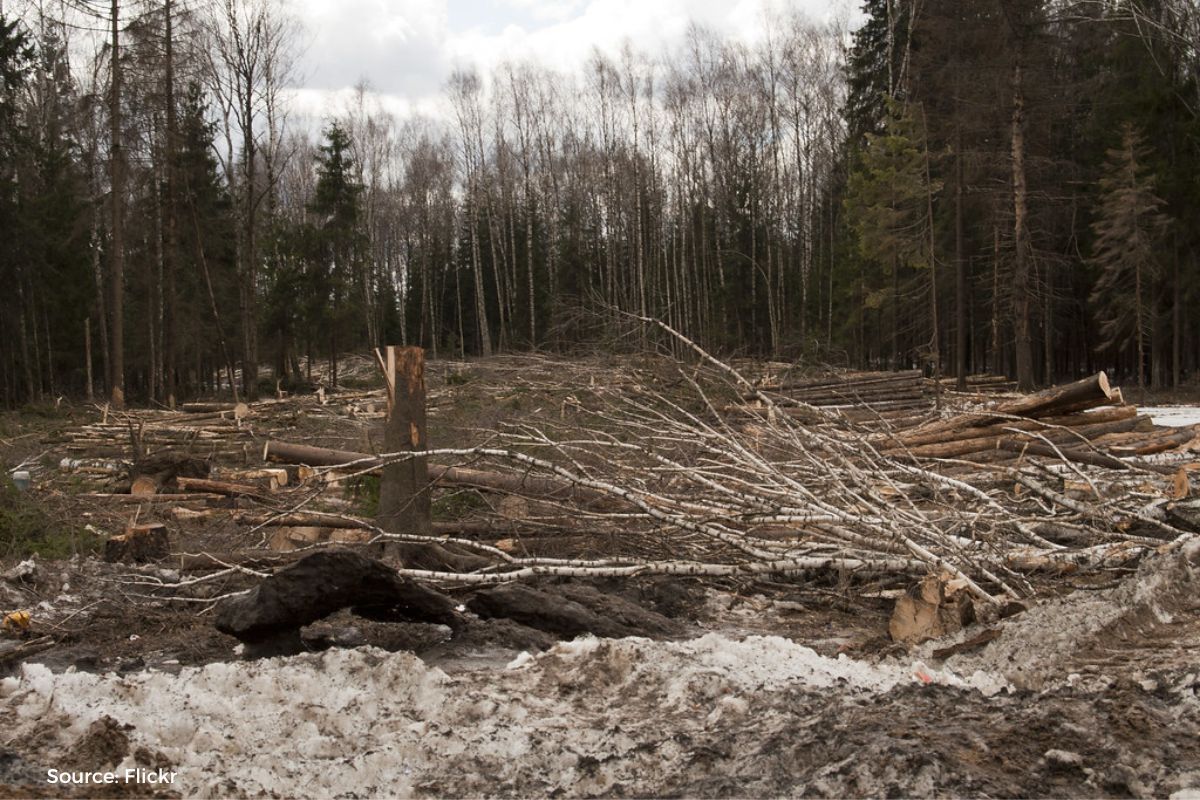
In the Rajya Sabha, Ashwini Kumar Choubey, Minister of State in the Union Ministry of Environment, Forest and Climate Change said that the Union government’s ambitious ₹72,000-crore Great Nicobar Project, which includes the construction of a trans-shipment port, an international airport, township development, and a 450 MVA gas and solar-based power plant in Great Nicobar island, might necessitate the removal of approximately 9.64 lakh trees, instead of the previously estimated 8.5 lakh trees.
Choubey highlighted that the expansive infrastructure project has allocated around 15% of the total development area for preservation as green and open spaces. This strategic choice intends to mitigate the potential environmental impact.
As a result, the projected actual count of felled trees could be lower than the initial estimate of 964,000. It’s worth noting that the gradual execution of the felling process will follow a phased approach. However, he also indicated the possibility of cutting down fewer trees.
Project’s tree felling sparks environmentalist concerns
The proposed felling of trees has sparked concerns among environmentalists and experts, raising questions about the project’s impact on local ecosystems. In response to these concerns, the Union Territory (UT) administration is collaborating with esteemed organizations including the Wildlife Institute of India (WII), Zoological Survey of India (ZSI), Botanical Survey of India (BSI), and Indian Council of Forestry Research and Education (ICFRE) to devise a Biodiversity Conservation and Management Plan for Great Nicobar Island.
The comprehensive plan encompasses measures to safeguard critical species and their habitats. We are developing specific conservation plans tailored for distinct endangered species such as the Leather Back Turtle, Nicobar Megapode, Coral Reefs, Salt Water Crocodiles, and Mangroves. The plan also outlines the identification of alternative sites for the protection of rare and endangered species, ensuring their survival amidst the changing landscape.
The compensatory afforestation effort will extend into arid landscapes and urban areas, considering the limited scope for plantation in the Andaman and Nicobar Islands. Notably, the Government of Haryana has pledged an expansive 261.5 sq.km for Compensatory Afforestation, contributing to the preservation and restoration of vital ecological balance.
An expert committee has accorded environmental clearance to the Great Nicobar Project, which is likely to come up over 130 square km of pristine forest. However, the National Green Tribunal (NGT) challenged this clearance, following which the NGT constituted an expert committee in April to investigate aspects of the clearance.
Even though the Environment Ministry typically releases project details seeking environmental clearance on a public portal, it appears that information regarding the Great Nicobar Project has not been posted. This is due to instructions from the Ministry of Home Affairs, which classifies the project as of “strategic importance.”
Keep Reading
- Great Nicobar Island Mega Infrastructure Project: NGT Directs to Review Environmental Clearance
- Why NGT stayed Central Govt’s Nicobar development project?
- What is happening in the Nicobar Islands and why we need to stop it?
- Deforestation in Nicobar, but trees to be planted in Haryana, does it make sense?
Follow Ground Report for Climate Change and Under-Reported issues in India. Connect with us on Facebook, Twitter, Koo App, Instagram, Whatsapp and YouTube. Write us on GReport2018@gmail.com.