
Air pollution now affects nearly every person on Earth and kills nine million people annually, according to a new United Nations report that warns the problem is getting worse as global temperatures rise.
The Global Environment Outlook-7 report, released December 9 by the UN Environment Programme, found that 99 percent of the world’s population breathes harmful air. More than 90 percent of pollution-related deaths happen in low- and middle-income countries.
The report describes air pollution and climate change as a “vicious cycle” that feeds on itself. Rising temperatures make air quality worse, which in turn accelerates climate change. The result damages human health, destroys ecosystems, and costs the global economy trillions of dollars each year.
Pollution Sources Shifting Worldwide
The types and locations of air pollution have changed dramatically over the past two decades. Sulfur dioxide and nitrogen dioxide levels dropped in Western Europe and North America between 2000 and 2019. But concentrations of these pollutants rose across parts of Asia during the same period.
Methane emissions from human activities jumped 20 percent between 2000 and 2020. Landfills and waste facilities rank among the top three global sources of methane. Actual emissions are often two to three times higher than official reports because of unmonitored leaks and old dumping sites.
Fine particulate matter known as PM2.5 declined in more than 13,000 cities across North America, Central America, Europe, sub-Saharan Africa and Southeast Asia between 2000 and 2019. London and Beijing recorded improvements. But major cities including Delhi, Tehran and Lagos still register dangerous pollution levels.
Wildfires Create a Destructive Loop
Climate change has pushed global temperatures up by 0.26 degrees Celsius per decade between 2014 and 2023. The World Meteorological Organization confirmed that 2024 reached 1.55 degrees Celsius above pre-industrial levels.
These rising temperatures create conditions for more wildfires. Higher heat and longer droughts help fires start and spread. The number of wildfires has increased worldwide over recent decades and continues to climb.
Wildfires then make climate change worse. They release greenhouse gases, destroy forests, increase PM2.5 pollution, and deepen climate impacts. Without stronger international action, the probability of global wildfire occurrence will rise from 1.31 today to 1.57 by 2100.
People with respiratory, cardiovascular or neurological conditions face the highest risks from wildfire smoke. Other vulnerable groups include older adults, outdoor workers, pregnant women, infants and primary caregivers.
Hidden Pollution Dangers Emerge
The report identified pollution sources that rarely get monitored. Nanoparticles from fossil fuels, transportation and industry pose growing health risks in cities. Growing evidence shows microplastics are affecting air quality across regions and borders, with potential impacts on human health.
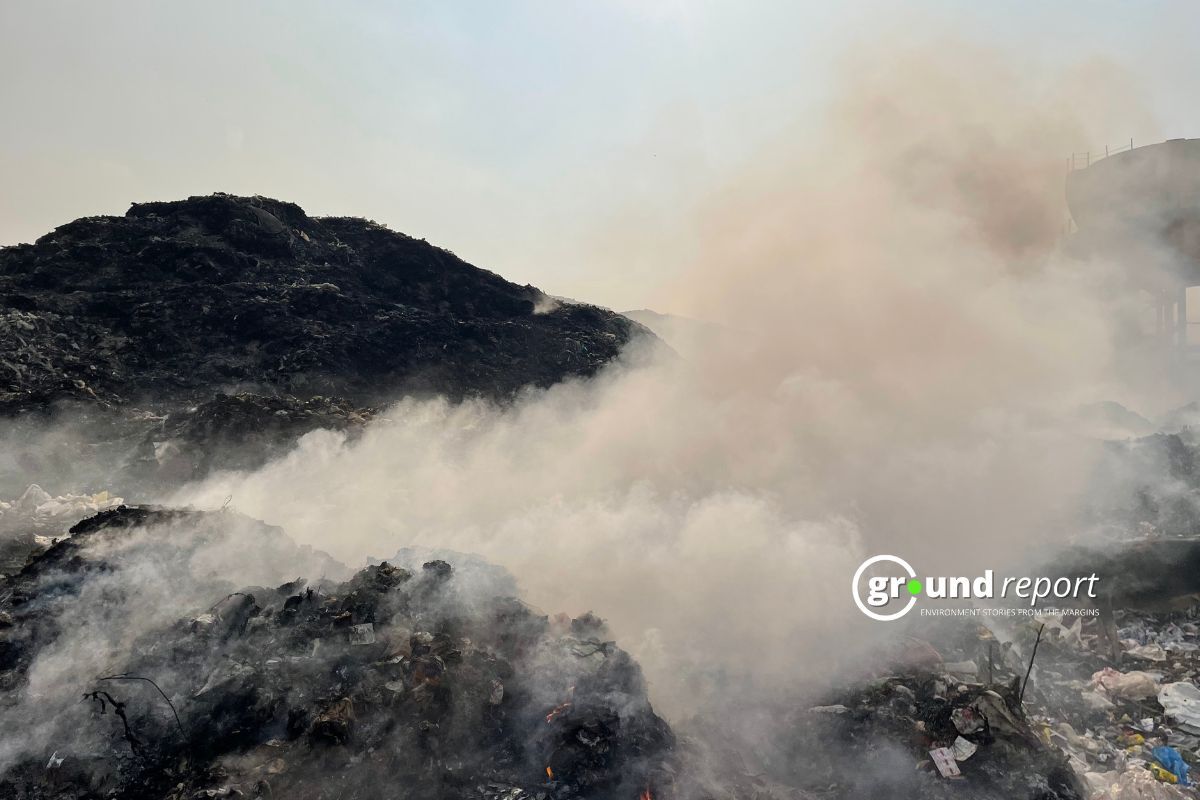
Traditional festivals create sharp spikes in air pollution. Firework displays in countries like Mexico and India send particulate matter concentrations soaring. Open burning of waste at landfills and informal sites remains a major uncontrolled pollution source.
Air pollution causes well-known respiratory and cardiovascular diseases. But the report also links it to cognitive decline, type-2 diabetes and dementia, including in children.
War Worsens Air Quality
The Russia-Ukraine conflict shows how war severely damages air quality. Cities in the conflict zone saw average PM2.5 concentrations rise by 9.8 percent. Nitrogen dioxide increased by 10.1 percent. Tropospheric ozone levels fell by 7.9 percent.
Rising Economic Toll
The report states that environmental pollution ranks as “the world’s largest risk factor for disease and premature death, with nine million human deaths annually attributable to some form of pollution.”
The combined pressures of warming temperatures, rising greenhouse gases, waste mismanagement and deteriorating air quality drive “substantial adverse health effects and related economic losses” worldwide.
Climate change, biodiversity loss, land degradation and pollution already cost the world trillions of dollars each year. These impacts will escalate sharply under current development pathways, the UN Environment Programme warned.
Rising temperatures affect how pollution forms in the atmosphere. Many chemical reactions depend on temperature. This creates more tropospheric ozone and secondary aerosols, which contribute to Earth’s energy imbalance and intensify the climate crisis further.
The report makes clear that air pollution and climate change cannot be solved separately. They reinforce each other in ways that threaten human health and the planet’s future.
Support us to keep independent environmental journalism alive in India.
Keep Reading
Small Wild Cats in Big Trouble: India’s First National Report Released
After Tragedy, Families Face Delays in Tiger Attack Compensation
Stay connected with Ground Report for underreported environmental stories.