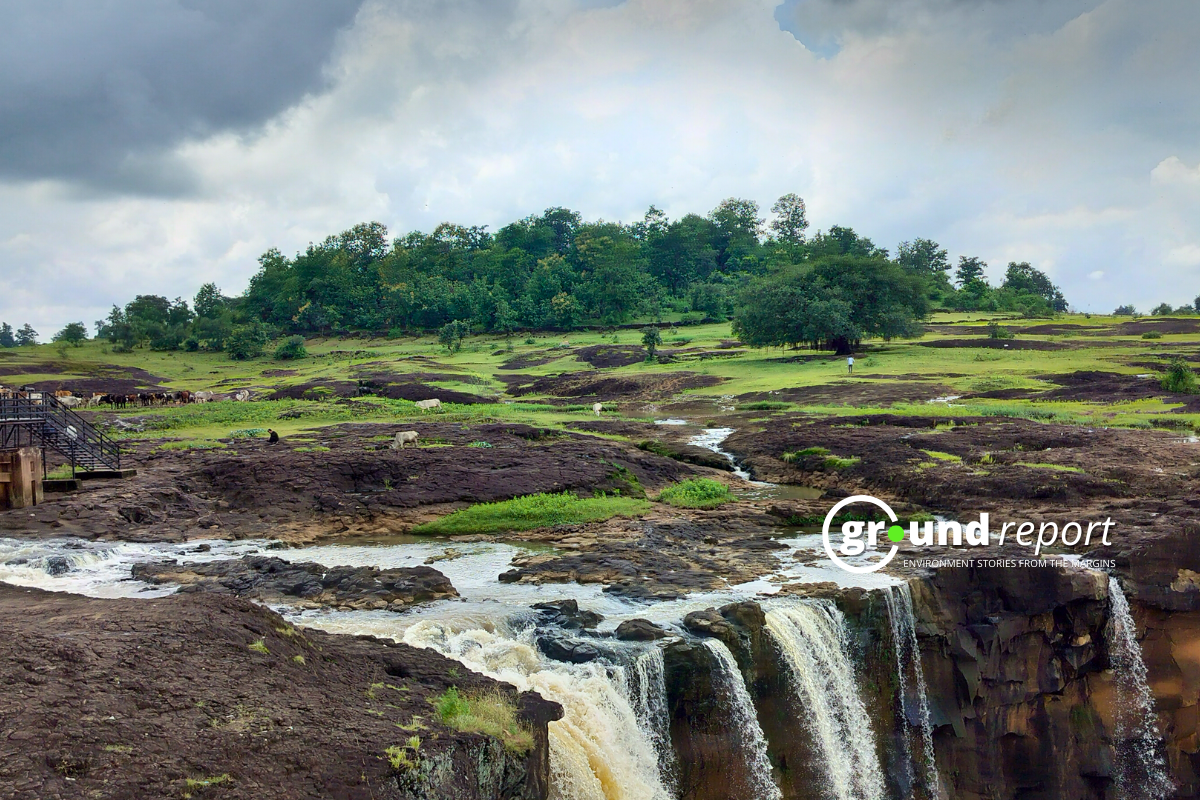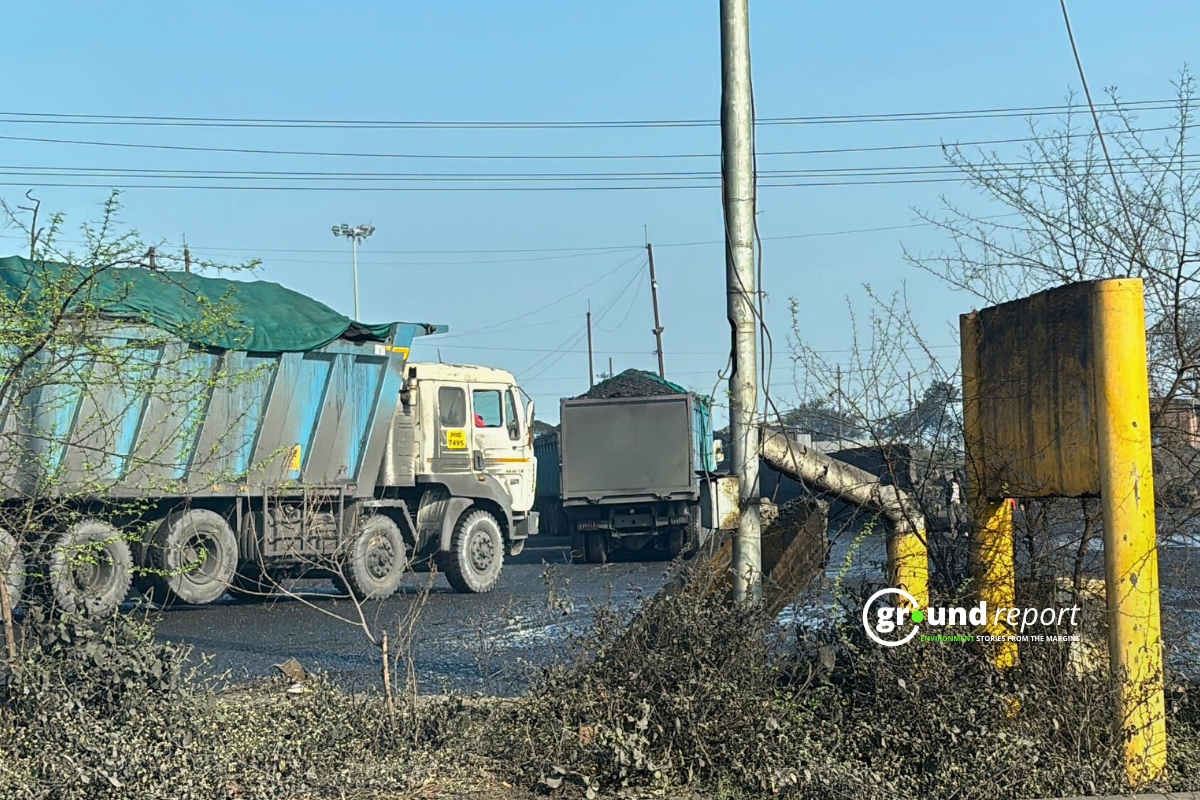
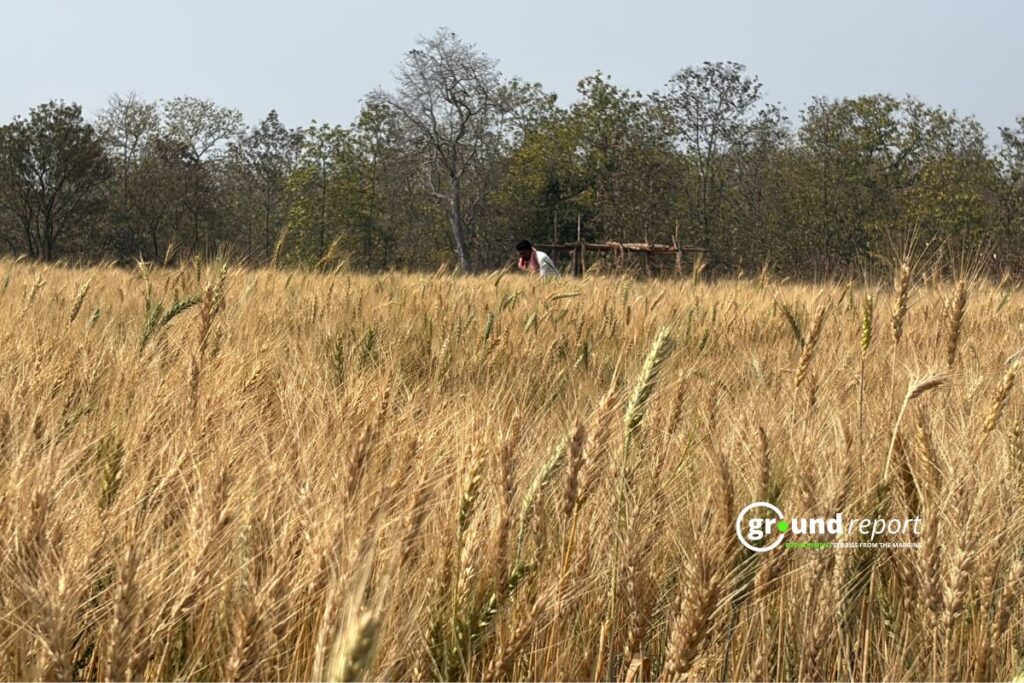
In Awaliya (Khalwa) village of Khandwa district, Reethi Bai’s family cultivates three acres of land. Two acres are under wheat, and one acre grows cotton. A small patch in front of the house is used for vegetables. In the second week of February, while the wheat crop still awaits harvest, cotton picking is almost complete, with only a few plants left in the fields.
In this village of 4,421 people, nearly every household farms land behind their homes—and today, most of these fields are dominated by wheat and cotton. But this was not always the case.
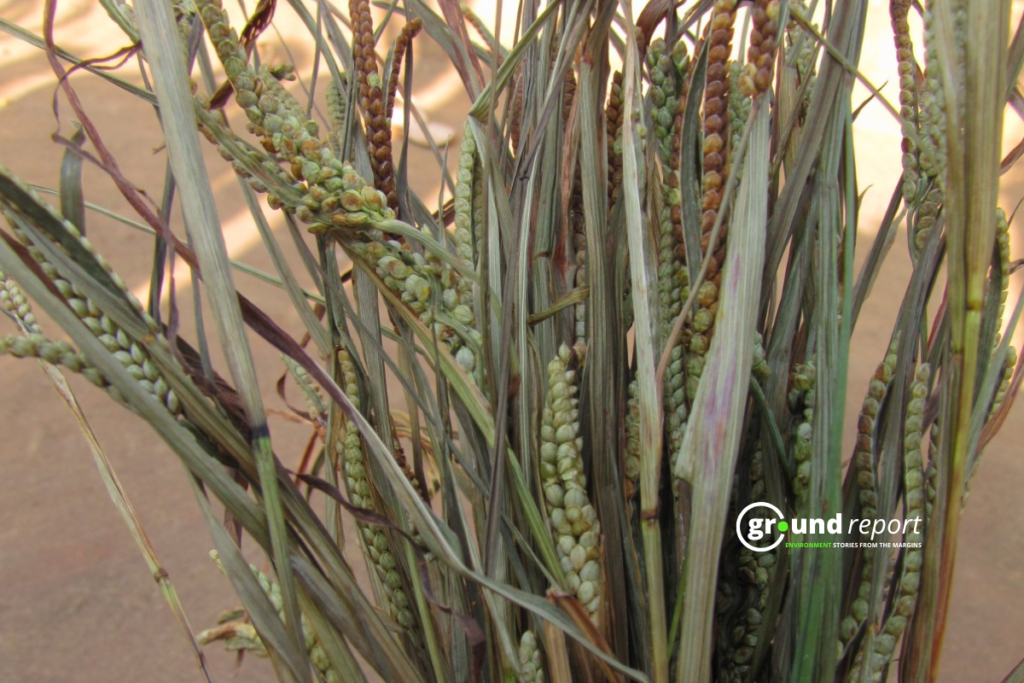
A decade ago, Reethi Bai’s family grew millets—kodo (Paspalum scrobiculatum), kutki (Panicum sumatrense), and other millet grains. These crops required less water and no chemical inputs. In contrast, wheat and cotton demand repeated irrigation and chemical spraying, increasing both costs and health risks. Wheat, she explains, needs watering five to six times, while kodo can thrive in dry conditions with as little as 40–50 cm of annual rainfall. Khandwa, by comparison, receives around 77.76 cm annually.
Everything changed in 2016. That year, after consuming kodo, members of Reethi Bai’s family fell ill. Even their livestock showed similar symptoms. Following this incident, she stopped cultivating kodo altogether. Today, villagers say they would consider growing it again—if the government could provide what they call “safe seeds.” The question then becomes: are kodo seeds unsafe? How does this superfood become ‘poison’? And what can Reethi Bai do to prevent it?
A Nutritious Grain with Cultural Roots
Now 64, Reethi Bai recalls growing up on millets. Even after her marriage and move to Awaliya, she continued cultivating kodo and kutki. Kodo was primarily for household consumption, while kutki and other grains were sold in the market.
It is important to note that in Madhya Pradesh, the state government approved the procurement of kodo and kutki in October 2025 under the Rani Durgavati Shri Anna Protsahan Scheme to promote these millets. Under the announcement, the minimum support price for kodo was fixed at ₹2,500 per quintal. In addition, farmers were to receive an incentive of ₹1,000 per quintal from the government.
According to the Economic Survey 2025–26, a total of 22,886 farmers registered for these crops. However, none of them are from Khandwa district. This is because Khandwa is not among the 16 districts selected under the scheme.
Kodo is nutritionally rich, containing about 8.3% protein, 1.4% fat, and 65.6% carbohydrates, along with high antioxidant properties. It is often considered a healthy alternative to rice, particularly for people with diabetes. Similarly, 100 grams of kutki contains 10.1 grams (10.1%) of protein, 65.5 grams (65.5%) of carbohydrates, and 7.7 grams (7.7%) of dietary fiber, along with several other essential nutrients.
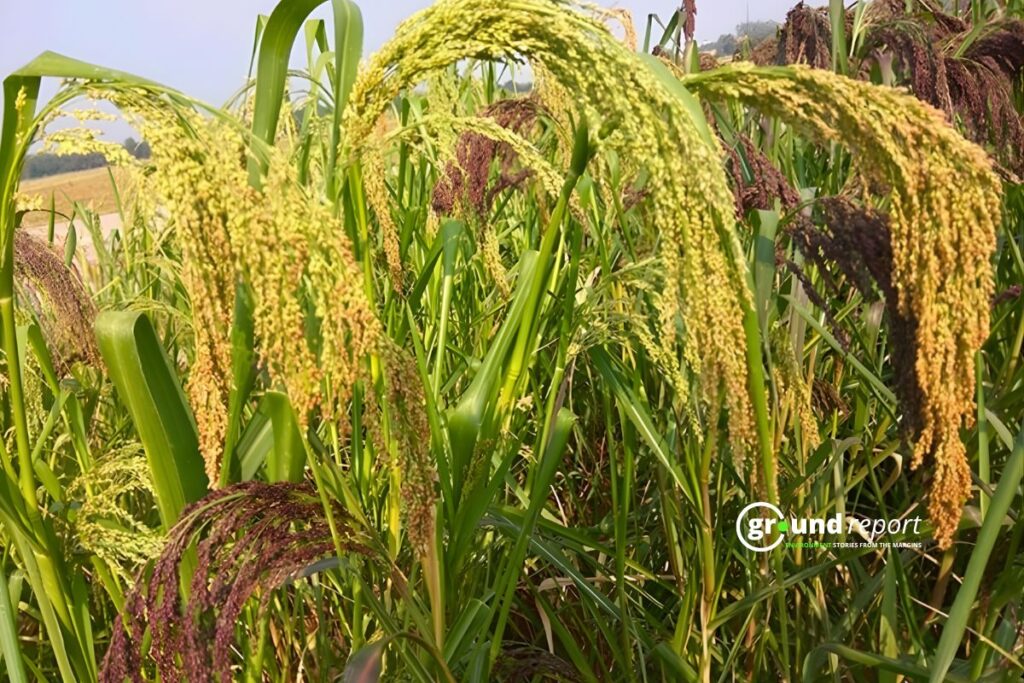
Beyond nutrition, these grains hold deep cultural significance among Korku and Gond Adivasi communities. Kutki is part of marriage rituals, while kodo is used in religious ceremonies and traditional practices. Ushma Thakre, a Korku woman from Roshni village, explains that in the her community, a marriage is solemnized only when the groom’s family presents eight kilograms of kutki to the bride. In the Gond community, kutki khichdi is prepared during rituals following the death of ancestors, while kodo is consumed during the worship of the clan deity.
Thakre also recalls what her elders often say: feeding kodo to sick animals helps them regain their appetite. Similarly, giving kodo to animals after childbirth is believed to improve milk production.
In 2023, the United Nations declared the International Year of Millets, and the Government of India undertook several initiatives in support of it. In Madhya Pradesh, millet production has shown a steady rise over the past five years, increasing from 851.34 to 895.71, 1,024.13, 1,181.40, and reaching 1,276.09 (figures in thousand tonnes) between 2018–19 and 2022–23.
At the national level, the major millets procured by the government include jowar, bajra, and ragi. Over the same five-year period, government procurement stood at 423,675 metric tonnes for jowar, 758,094 metric tonnes for bajra, and 1,676,067 metric tonnes for ragi. These figures reflect a broader trend of increasing millet production across states during this period.
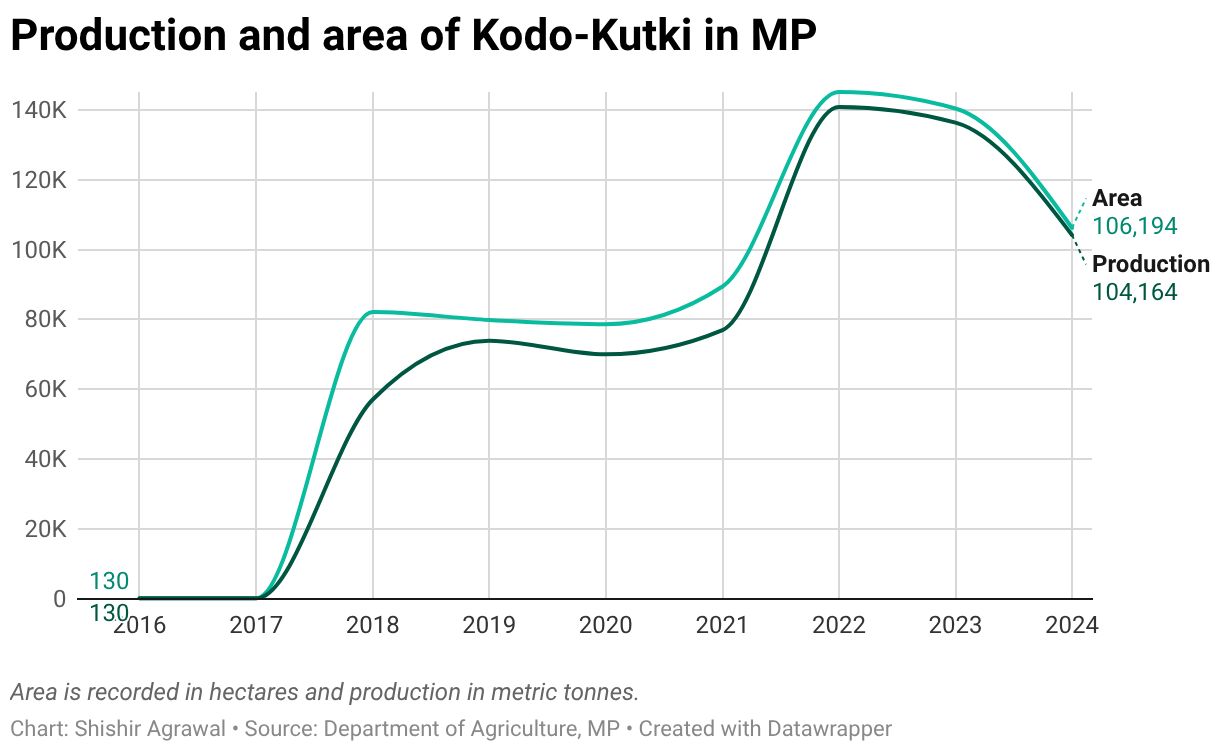
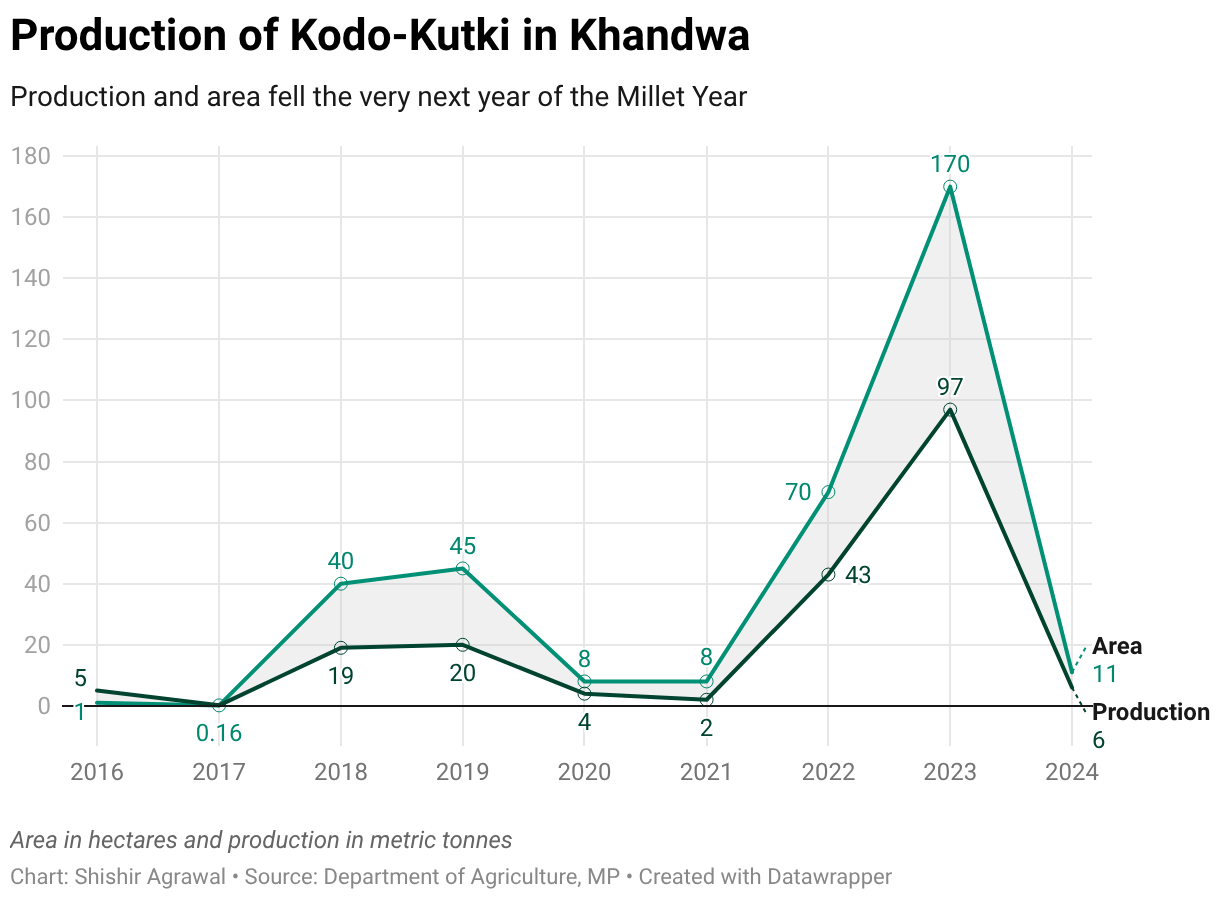
Though in the case of Kodo-Kutki, the trends are slightly different. In Madhya Pradesh, production data for kodo and kutki are recorded together. Between 2016 and 2024, overall production in the state increased, although a decline was observed between 2021 and 2024. In Khandwa, the trend has been even more uneven. Both production and cultivated area increased between 2020 and 2023, but in the year following the Millet Year, both figures dropped sharply.
When Kodo Became “Poison”
Reethi Bai vividly remembers the day in 2016 when she felt dizzy after eating kodo. By evening, she began vomiting. Others in her household reported similar symptoms. Their livestock, too, fell after consuming leftover crop residue.
“For years, we had eaten kodo—nothing like this had ever happened. It happened only that year,” she says.
Soon, similar accounts began circulating across nearby villages—people falling ill, cattle collapsing. The narrative took hold: kodo had become “poisonous.”
However, this was not an isolated incident. According to media reports, in December last year, 14 people fell ill in the Patera block of the Damoh district after consuming kodo rotis. As their condition worsened, they had to be admitted to the district hospital. In December 2025, a similar case was reported in Chapna Karaudi village in Maihar district, where four members of a single family fell ill.
Since Reethi Bai also mentioned livestock, it is important to recall an October 2024 incident, when 10 elephants were found dead under suspicious circumstances in Bandhavgarh Tiger Reserve. The postmortem reports revealed undigested kodo in the stomachs of all the elephants.
A similar incident had been recorded as far back as 1933 in Tamil Nadu, where 14 elephants died under comparable circumstances. Following the Bandhavgarh incident, the Umaria district administration held a meeting the next year and directed that contaminated kodo crops be destroyed.
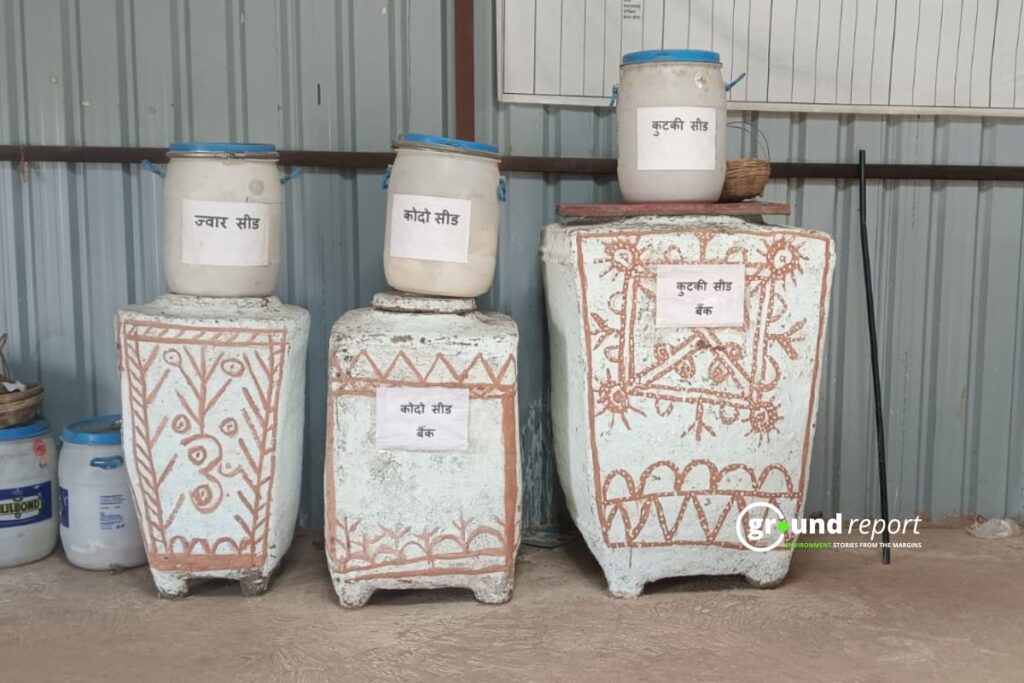
The cumulative impact of these incidents has been profound. Reethi Bai and others stopped growing and even storing them. With the support of a local organisation, Spandan Samaj Seva Samiti, they set up a seed bank for millets, but even there, kodo seeds were deliberately excluded.
The Science Behind “Poisoned” Kodo
According to scientists, kodo itself is not inherently toxic. Dr. Hariprasanna K, a principal scientist at the Indian Institute of Millets Research (ICAR-IIMR), explains that the problem arises during post-harvest handling. Dr. Hariprasanna who also wrote a research paper, titled ‘Kodo poisoning’: cause, science and management, told us, “So far, no study has shown that any toxin is produced within kodo seeds themselves that could cause poisoning.”
Research conducted in 1985 identified that the fungus can produce a mycotoxin called cyclopiazonic acid (CPA), which is harmful to humans and animals. The study found that contaminated kodo seeds were infected with Aspergillus flavus and Aspergillus tamarii, both of which produce cyclopiazonic acid.
It is important to note that in the elephants that died in Bandhavgarh Tiger Reserve, CPA levels ranging from 1,567 to 183,779 parts per billion (ppb) were detected in their bodies. For context, a concentration of around 13,000 ppb is considered potentially lethal for elephants.
The real question is: how does this fungus develop in kodo in the first place? Explaining this, Dr. Hariprasanna K says, “The fungus grows between the husk and the grain. If the crop is not properly dried after harvest, and if the husk is not completely separated from the grain, fungal growth can occur.”
He adds that such infections are not unique to kodo—crops like groundnut and maize can also become harmful under similar conditions.
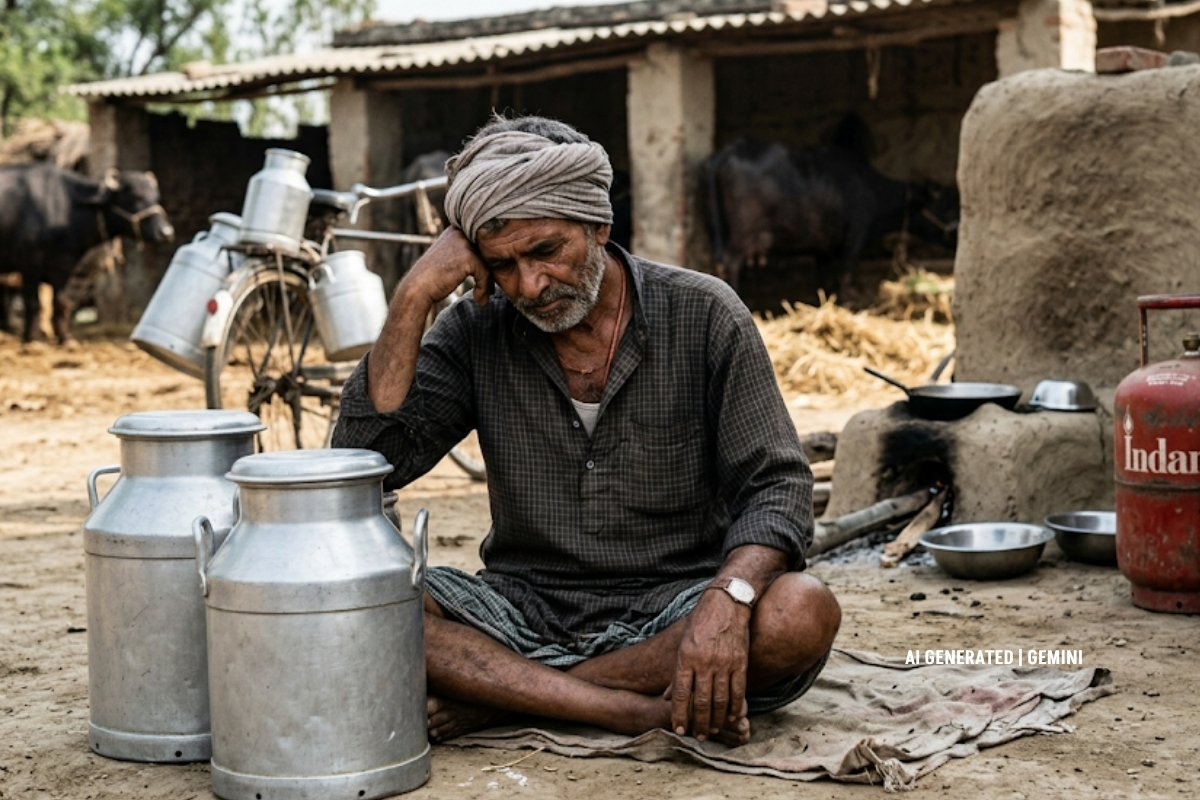
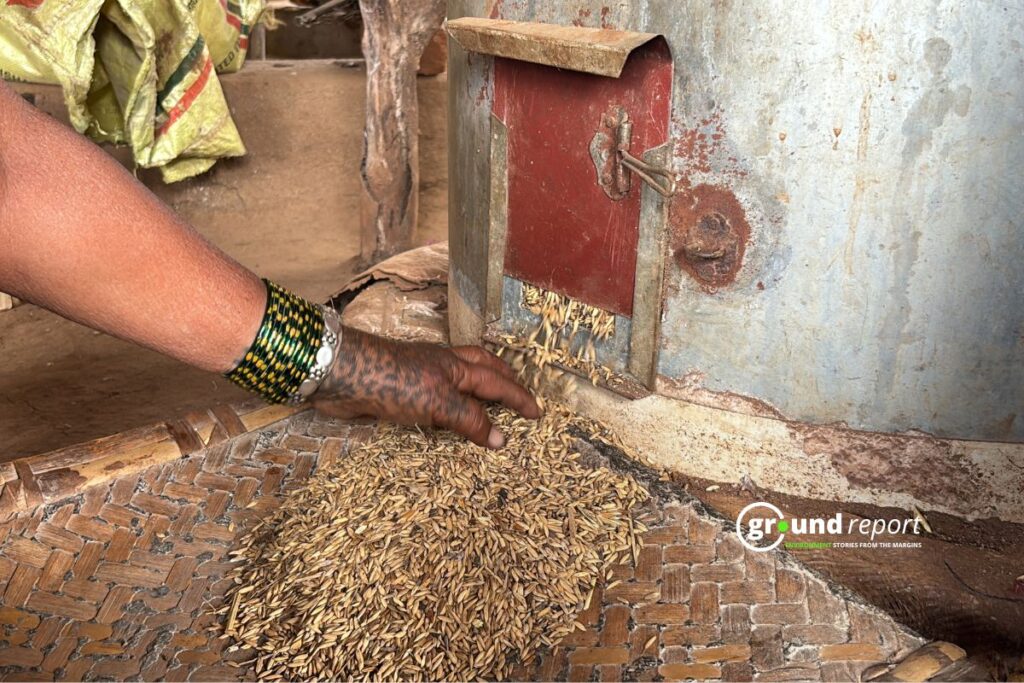
Reethi Bai says she stores all her grains in a kothi—a cylindrical aluminium container fitted with a small outlet at the bottom to remove the grain. To protect it from air exposure, the lid is covered with a plastic sack. Gond tribals also use similar large vessels made of bamboo and clay to store grains. In other places the shape of the storage container varies but it is still made of grass and clay.
In Madhya Pradesh, kodo is typically sown in the last week of June or the first week of July. Depending on the variety, the crop matures in about 95 to 110 days. Dr. Hariprasanna explains that if the harvested crop is left in the field for too long, it can absorb moisture from rainfall, creating conditions for fungal growth.
Between Fear and Revival
To prevent this, Dr. Hariprasanna advises against delayed harvesting. He explains that modern machines can completely remove moisture from the crop after harvest, and such technologies can help prevent the formation of cyclopiazonic acid (CPA) in kodo.
He adds that storage conditions are critical: the surrounding environment should have humidity levels of 70% or lower. The grain itself should contain no more than 12% moisture, must be properly dried and cooled, and should ideally be stored at temperatures between 1 and 4 degrees Celsius.
However, these solutions are not always accessible. Naresh Bishwas, who works on conserving traditional millet seeds in Dindori, points out that Adivasi communities often lack access to such modern technologies. While traditional storage methods can help protect against moisture, he acknowledges that they are not foolproof and leave room for error. He believes the government should also invest in providing proper storage facilities.
Reethi Bai says she would consider growing kodo again only if she is assured of “non-toxic” seeds. She has raised this demand in her Gram sabha. Without reviving cultivation, she fears having to depend on the market even for cultural practices like weddings and rituals. More importantly, she wants her grandchildren to eat grain grown without chemical inputs.
In her view, “if they eat chemical wheat, they will not grow strong.”
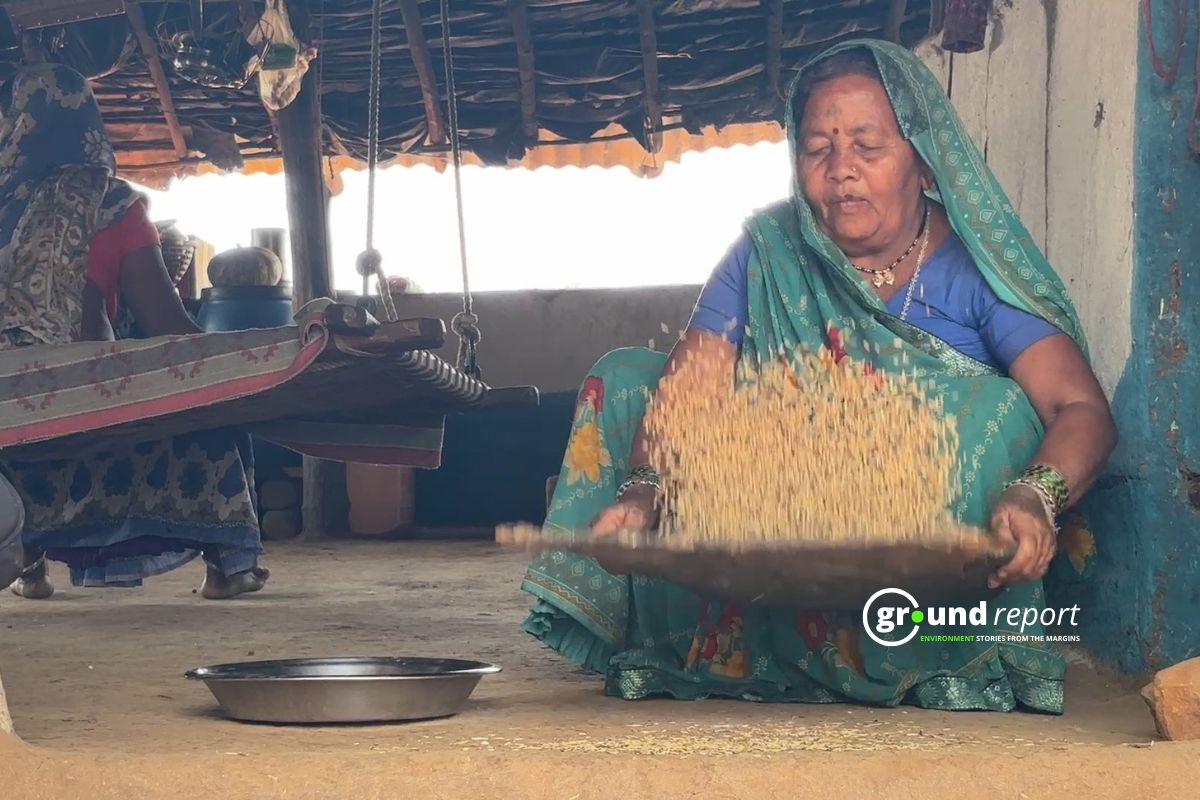
Banner Image – Reethi Bai cleaning paddy grains. | Photo: Shishir Agrawal
This story is edited by Rajeev Tyagi.
Support Us To Sustain Independent Environmental Journalism In India.
More Ground Reports
Panna: Villagers Protest Irrigation Projects, Demand Documents, and Transparency
Fulkai Maai Demands the Return of Crèches for Malnourished Korku Children
Stay Connected With Ground Report For Underreported Environmental Stories.
Support Us To Sustain Independent Environmental Journalism In India.