Climate change is causing decreased snowfall and increased high-altitude precipitation. A warming world is turning what should have been heavy snowfall into extreme mountain rain, somewhat exacerbating dangerous floods like those that devastated Pakistan last year and long-term water shortages, a new study has revealed.
Intensifying mountain rainfall due to global warming
Scientists have improved measurements since 1950 by incorporating water and snow data, as well as computer simulations for future climates. Based on their calculations, a study published in the journal Nature reveals that for every degree Celsius the planet warms, there is a 15% increase in the intensity of rainfall at higher elevations (equivalent to 8.3% for every degree Fahrenheit).
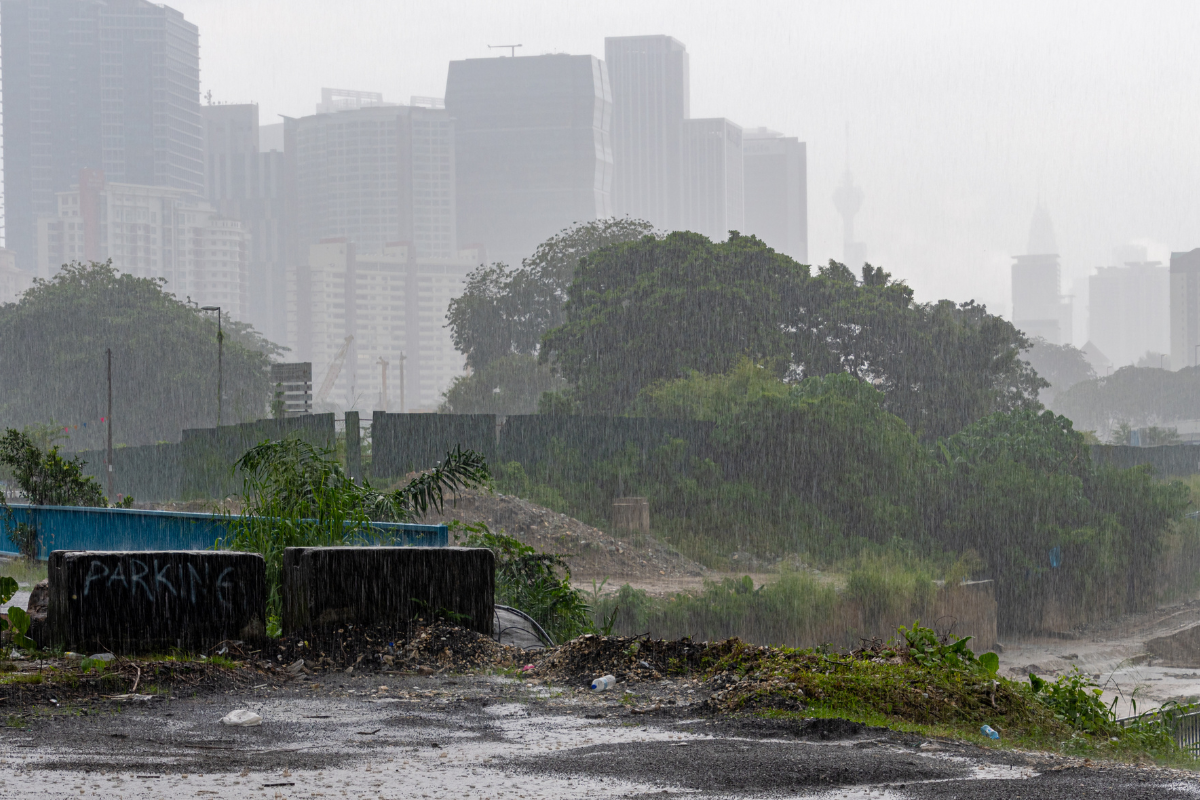
Heavy rains in the mountains cause far more problems than heavy snowfalls, including flooding, mudslides and erosion, the scientists said. And rain doesn’t get stored conveniently like snow, which can replenish reservoirs in the spring and summer.
“It’s not just a problem far off that’s projected to happen in the future, but in fact the data tells us it’s already happening and we see it in data from the past few decades,” said study lead author Mohamed Ombadi, hydrologist and climatologist at Lawrence Berkeley National Laboratory.
As the planet’s temperature has risen to the brink of the internationally agreed 1.5 Celsius (2.7 Fahrenheit) threshold to avoid the worst effects of global warming, this study shows that “every degree (Celsius) matters because it comes with a 15% increase” in extreme rainfall over the mountains, Ombadi said. That increase in precipitation per degree over mountains is more than double what the rest of the world gets from warmer air holding more water.
Mountain rainfall intensification raises flood risks
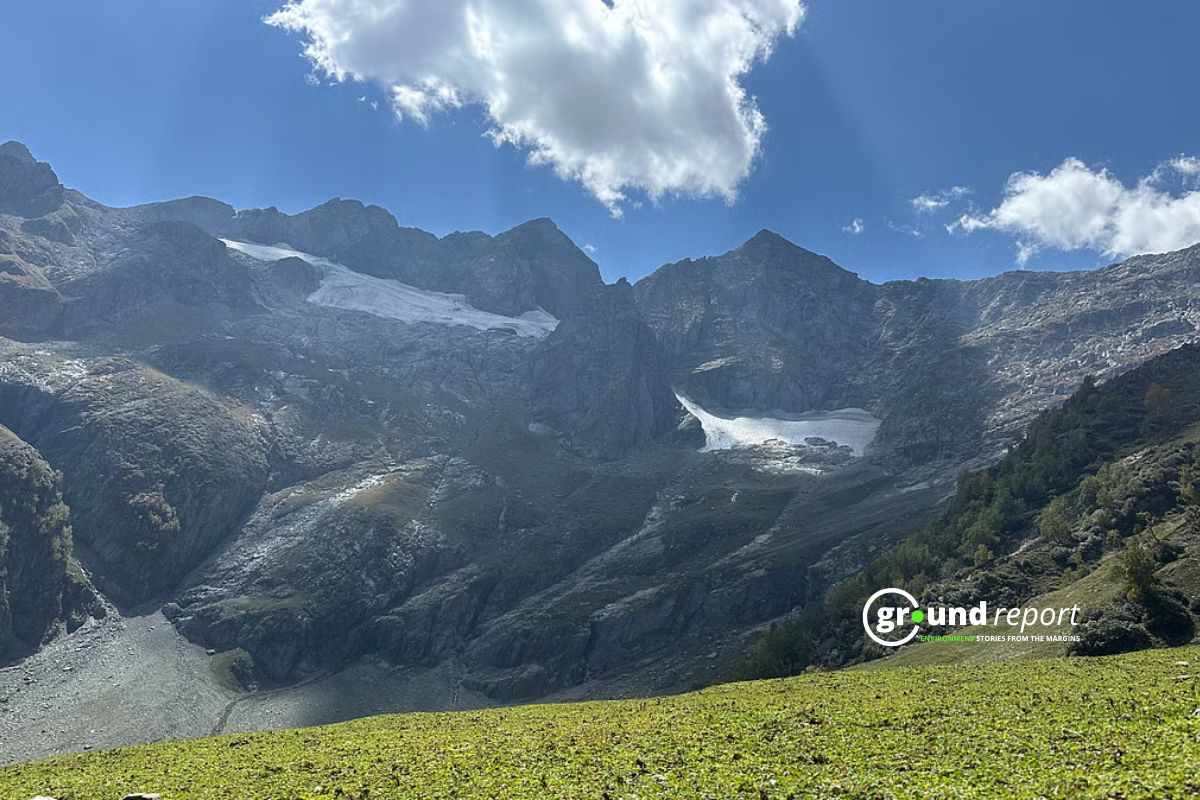
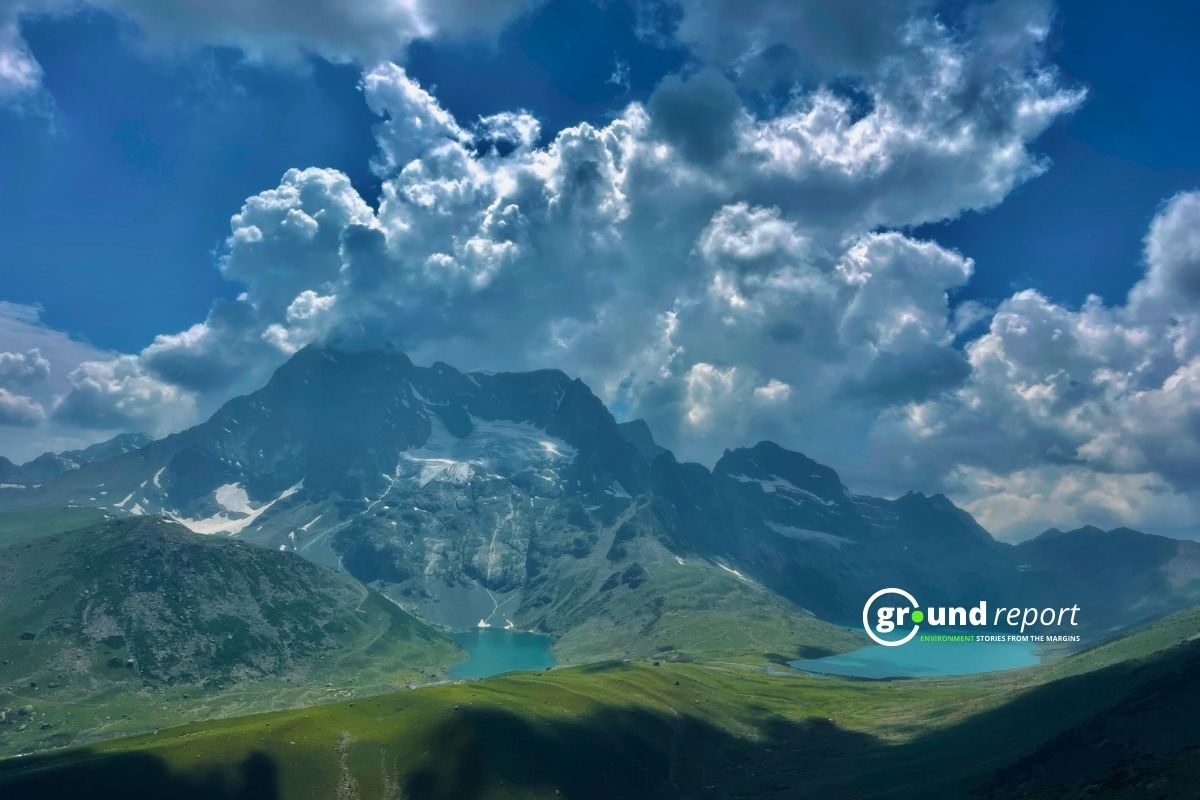
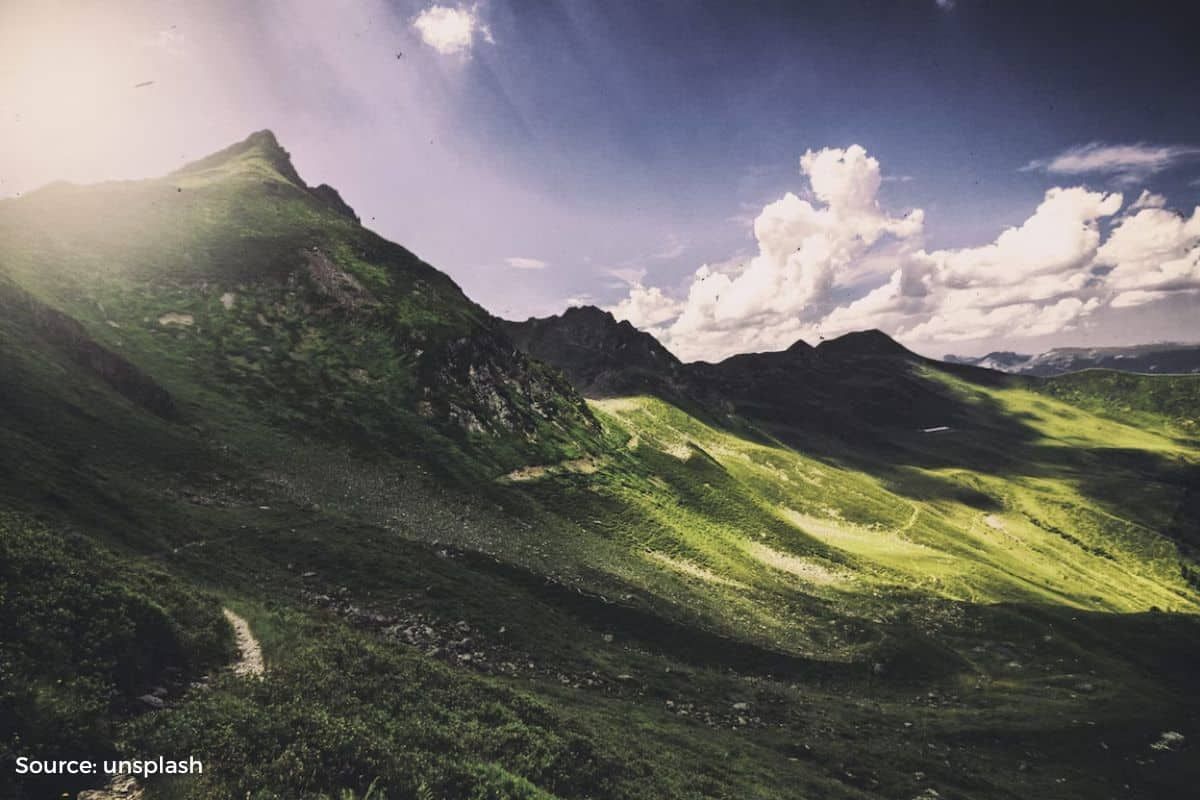
The study examined the heaviest rainfall in the Northern Hemisphere over the past 60 years. It found that as you go higher in altitude, the amount of rainfall also increases. The biggest increases in precipitation were observed at around 10,000 feet (3,000 meters). This applies to regions like the western United States, the Appalachian Mountains, the Himalayas, the Tian Shan and Hindu Kush mountains in Asia, and the Alps.
About 25% of the world’s population lives in an area close enough to mountains or on a slope to be affected by extreme rainfall or flooding, Ombadi said.
That means more floods from the mountains like those that have killed more than 1,700 people in Pakistan and submerged more than a third of the country, the author said. But he stressed that they have not specifically studied the 2022 floods in Pakistan, so there could be some small differences.
Flooding risks increasing rapidly
“The study appears to be logically sound and highlights the serious implications,” commented Park Williams, a climate hydrologist at the University of California, Los Angeles, who was not involved in the research. According to him, scientists expect increased precipitation as temperatures rise; however, the impact of flooding caused by heavy snowfall is mitigated as the snow melts gradually, making it easier to monitor the accumulation and understand the current situation.”
“But as the proportion of precipitation that falls as snow in the mountains is reduced, the risks of flooding are increasing particularly rapidly,” Williams said.
This affects the western United States in different ways, said study co-author Hydrologist Charuleka Varadharajan.
“This type of extreme rainfall will make the flooding worse. And then you have to figure out: where is that water going?” he said, highlighting some of the flooding hardships the western United States has already suffered so far this year after a series of atmospheric rivers and melting of accumulated snow.
Floods can also harm food production, Ombadi noted. She referenced the $89 million in crop and livestock losses from torrential rains in 1997, according to estimates by the California Department of Agriculture.
“In times of prolonged drought, such as the ongoing massive drought experienced in the western United States for over 20 years, water managers prioritize maintaining elevated levels in reservoirs. This becomes achievable during periods of heavy snowfall, as the gradual snowmelt replenishes the reservoirs slowly,” explained Williams. However, managing water levels becomes challenging during periods of heavy rainfall.”
So as warming causes heavier rainfall, society will be forced to choose between reducing water use due to low levels in reservoirs in order to absorb a potential massive runoff event from mountains, or building new and expensive dams, Williams added.
Keep Reading
Part 1: Cloudburst in Ganderbal’s Padabal village & unfulfilled promises
India braces for intense 2024 monsoon amid recent deadly weather trends
Support us to keep independent environmental journalism alive in India.
Follow Ground Report on X, Instagram and Facebook for environmental and underreported stories from the margins. Give us feedback on our email id greport2018@gmail.com.
Don’t forget to Subscribe to our weekly newsletter, Join our community on WhatsApp, and Follow our YouTube Channel for video stories.