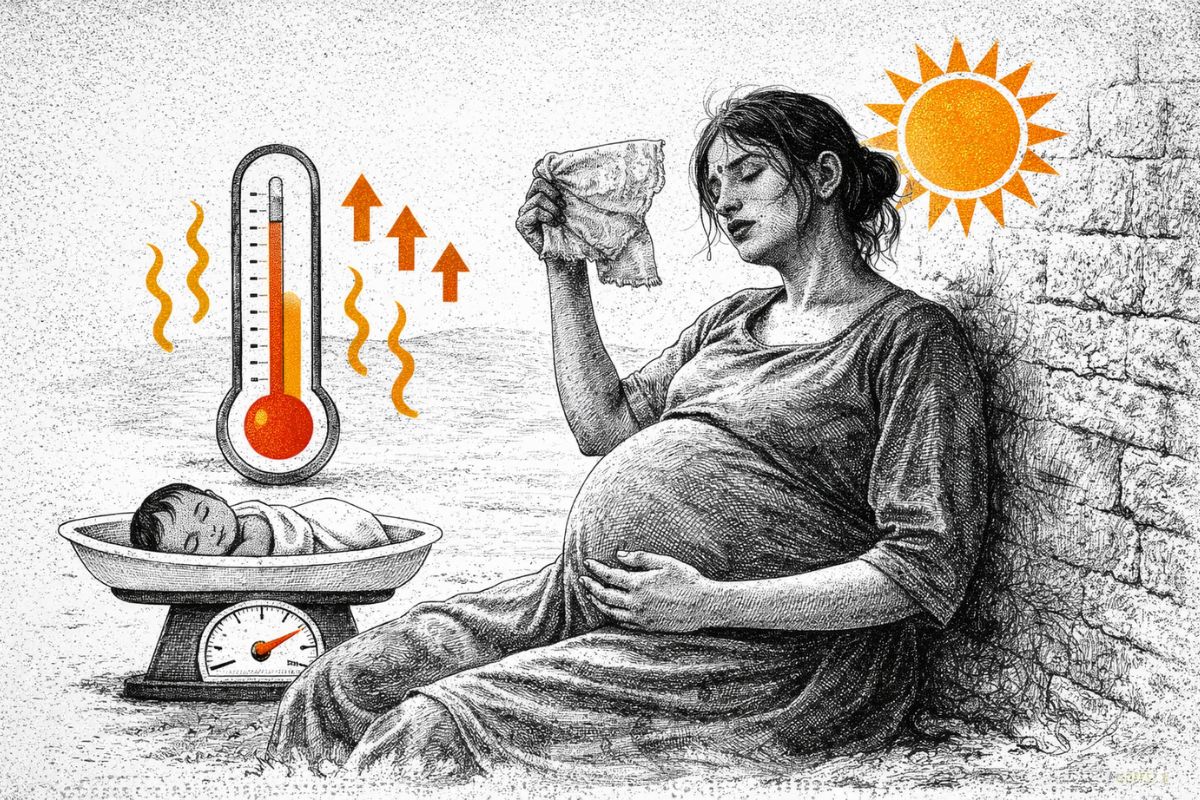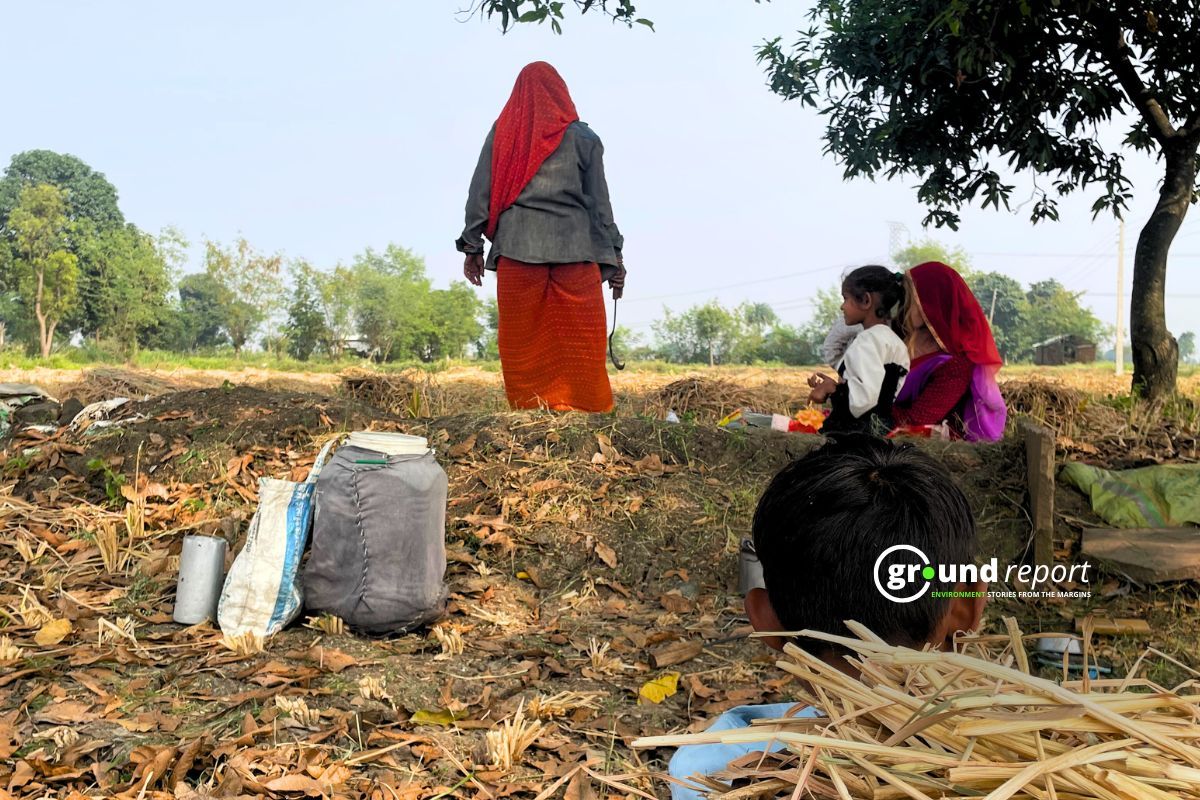
Earth experienced its second-warmest March on record and Antarctic sea ice shrank to its second-lowest extent, according to a report from the Copernicus Climate Change Service.
The report is based on computer-generated analysis using billions of measurements collected from satellites, ships, aircraft and weather stations around the world.
The report revealed that March temperatures were higher than average in southern and central Europe, but lower than average in most of northern Europe.
By contrast, temperatures were considerably warmer than average in many regions including North Africa, southwestern Russia, Asia, northeastern North America, South America (including drought-stricken Argentina), Australia and coastal Antarctica.
According to the report of Agence France-Presse AFP, the agency also noted that western and central North America experienced much colder than average temperatures.
Climate change accelerates sea melting
The Copernicus Climate Change Service report also highlighted that declining sea ice and rising sea levels are warning signs that dangerous tipping points could be reached due to global warming.
The report revealed that Antarctic sea ice extent was the second lowest in the 45-year record of satellite data, at 28% below average in March. This decline continued a decade-long trend, with the smallest area on record recorded in February for the second year in a row.
In contrast, Arctic sea ice extent was 4% below average and the joint fourth lowest on record for March, with above-average concentrations in the Greenland Sea.
The Copernicus data also showed that the past eight years were the warmest eight on record, as human-caused climate change continued to drive global temperature rises.
A UN report in March also warned that even if global warming emissions were to be cut rapidly, the record temperatures of the past eight years would still be among the coldest for the next three to four decades as global temperatures continue increasing.
Keep Reading
Part 1: Cloudburst in Ganderbal’s Padabal village & unfulfilled promises
India braces for intense 2024 monsoon amid recent deadly weather trends
Support us to keep independent environmental journalism alive in India.
Follow Ground Report on X, Instagram and Facebook for environmental and underreported stories from the margins. Give us feedback on our email id greport2018@gmail.com.
Don’t forget to Subscribe to our weekly newsletter, Join our community on WhatsApp, and Follow our YouTube Channel for video stories.