Farming depends on efficiency, planning, and the right tools and equipment to achieve consistent productivity. Whether managing a small plot or a large commercial farm, investing in essential farm machinery helps reduce manual labor, save time, and improve crop yield. Proper equipment also ensures better soil preparation, accurate planting, effective irrigation, and timely harvesting. Choosing the right farm equipment depends on land size, crop type, and budget, but certain machines are fundamental for almost every farmer.
Below is a detailed guide to the essential farm equipment every farmer should consider.
Tractor
A tractor is one of the most important investments for any farm, performing multiple tasks such as ploughing, tilling, planting, spraying, and transporting materials. It reduces dependency on manual labor, saves time during peak seasons, and supports various attachments for different farming activities. Small farms may benefit from compact tractors, while larger farms often require higher horsepower models to handle more extensive tasks efficiently.
Plough
A plough is used to prepare the land before sowing by loosening and turning the soil, which improves soil aeration and allows roots to penetrate more effectively. Common types include disc ploughs, mouldboard ploughs, and chisel ploughs. Proper ploughing creates a strong foundation for healthy crop growth, making it an essential step in soil management.
Seed Drill
A seed drill ensures that seeds are planted at the correct depth and spacing, promoting uniform sowing that improves germination rates and plant growth. It minimizes seed wastage, ensures even crop distribution, and saves time compared to manual broadcasting. Seed drills are particularly useful for row crops such as wheat, maize, and pulses, helping farmers achieve consistent and productive fields.
Sprayers
Sprayers are essential for applying pesticides, herbicides, and liquid fertilizers to protect crops from pests and diseases. They come in various forms, including knapsack sprayers, battery-operated sprayers, and tractor-mounted boom sprayers. Timely and efficient spraying supports healthy plant growth, reduces pest-related damage, and improves overall crop yield.
Irrigation Equipment
Efficient irrigation equipment is crucial for managing water, ensuring that crops receive the right amount at the right time. Essential irrigation systems include water pumps, drip irrigation systems, sprinkler systems, and pipes and hose systems. Proper irrigation improves water efficiency, maintains soil moisture balance, and supports consistent crop growth, which is vital for successful farming.
Harvester
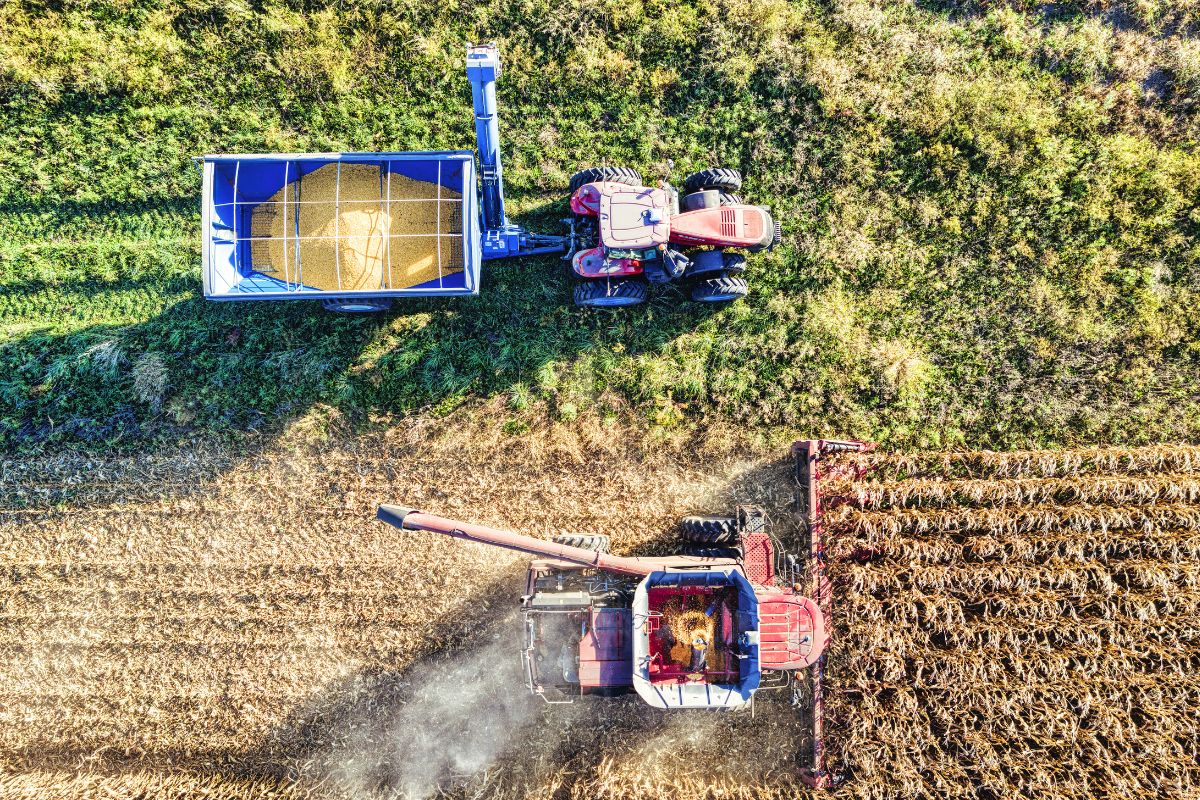
A harvester significantly reduces the labor required for crop collection, making harvesting faster and more efficient than manual methods. It helps lower labor costs, saves time during peak harvest seasons, and minimizes crop loss. Mini harvesters are suitable for small farms, while larger farms often use combine harvesters to handle extensive fields more effectively.
Rotavator
A rotavator, also known as a rotary tiller, is used after ploughing to break soil clumps and create a fine seedbed. It improves soil texture, mixes crop residues into the soil, and enhances seedbed preparation, which is essential for optimal crop growth. Rotavators are widely used in vegetable farming and cash crop cultivation for their ability to produce well-prepared, uniform soil beds.
Final Thoughts
Having essential farm equipment allows farmers to increase productivity, reduce physical effort, and improve overall efficiency. The right investment depends on farm size, crop pattern, and available budget. Starting with fundamental machinery such as a tractor, plough, and irrigation system creates a strong base for long term agricultural success.
Support Us To Sustain Independent Environmental Journalism In India.
Keep Reading
Highway Halt Puts Kashmir’s Fruit Economy at Risk
Railway line expansion plan put Kashmir’s apple orchards at risk
Warmer winters in Kashmir raise concerns over apple and crop yields