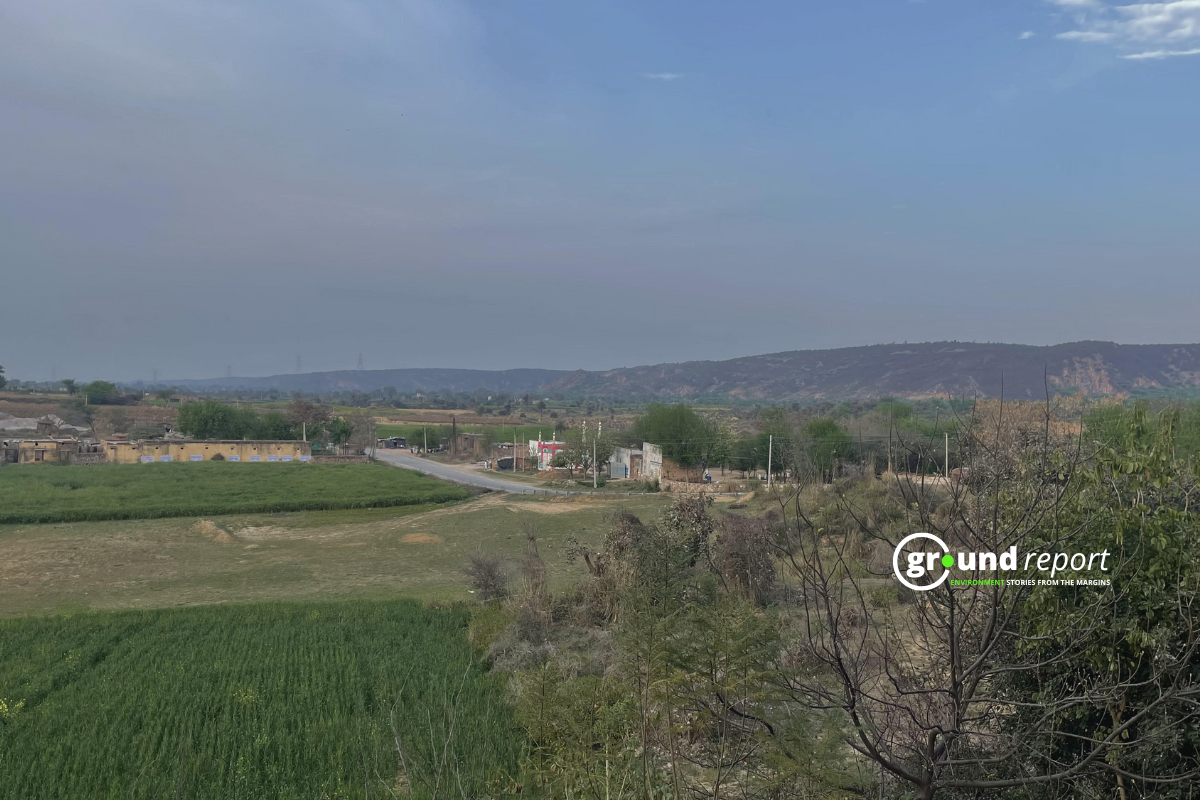
Residents across Madhya Pradesh woke to an unusual reality on Sunday: bone-dry skies, a blazing sun, and afternoon heat more typical of May than February. The state’s Meteorological Department confirmed that maximum temperatures jumped by two to four degrees Celsius in just 24 hours, with minimum temperatures rising by two to three degrees over the same period.
Khargone and Khandwa led the state’s temperature chart, recording highs of 34.5°C and 34.4°C respectively, figures that alarm meteorologists for this time of year. North-westerly winds are driving the surge across western Madhya Pradesh. Ratlam, Guna, Narmadapuram, and Ujjain all crossed 31°C, while Khajuraho, Mandla, and Narsinghpur in the east also reported uncomfortable afternoon conditions.
How the Four Big Cities Fared
In Bhopal, the maximum temperature sat at 29.6°C with a minimum of 13°C, a drop of 1.2 degrees compared to Saturday. Indore recorded 31.4°C, Gwalior 31.1°C, and Jabalpur 30°C. All four cities saw clear skies, with no weather relief expected for the next three to four days.
| City | Max Temp (°C) | Min Temp (°C) | Forecast |
|---|---|---|---|
| Bhopal | 29.6 | 13.0 | Clear, dry |
| Indore | 31.4 | 11.5 | Clear, dry |
| Gwalior | 31.1 | 11.7 | Rain alert Feb 18–19 |
| Jabalpur | 30.0 | 14.3 | Clear, dry |
| Khargone | 34.5 | — | Clear, hot |
| Khandwa | 34.4 | — | Clear, hot |
| Ratlam | 31+ | — | Clear, dry |
| Ujjain | 31+ | — | Rain alert Feb 18–19 |
A scientist at the Meteorological Centre said no active weather system is currently at work over the state, leaving skies clear and the sun unimpeded. The intense solar radiation pushes up daytime heat and humidity, and nights are warming too. “People are experiencing May-like heat in February,” the official noted.
Rain Alert Issued for February 18 and 19
The dry spell will not last indefinitely. A Western Disturbance tracking across northern India is drawing moisture from the Arabian Sea toward the state. The IMD issued a rain alert for Gwalior, Sheopur, Morena, Bhind, Datia, Niwari, Tikamgarh, and Neemuch on February 18 and 19. Cloudy skies are expected to return to Bhopal and Indore during that window.
Meteorologists link the incoming change to a cyclonic circulation near northern Pakistan and Jammu and Kashmir, with a trough stretching through Rajasthan, Haryana, and into Uttar Pradesh. Northern districts bordering those states face the greatest chance of rain and cloud cover.
On February 16, cities including Dindori, Tikamgarh, Raisen, Vidisha, and Betul are expected to peak around 27°C. Night temperatures in parts of northern Madhya Pradesh should hold near 11°C. No thunderstorm warnings are in effect for any district today.
The record warmth of this February, however, delivers an unmistakable message: summer is arriving fast.
Support Us To Sustain Independent Environmental Journalism In India.
Keep Reading
Highway Halt Puts Kashmir’s Fruit Economy at Risk
Railway line expansion plan put Kashmir’s apple orchards at risk
Warmer winters in Kashmir raise concerns over apple and crop yields