Scientists have issued a stark warning about the future of monsoon systems that billions of people depend on for water and food. A major international study predicts that extreme swings between heavy rainfall and severe drought could become the norm across Asia and tropical regions starting in 2064 if greenhouse gas emissions continue rising unchecked.
The research, led by the Hong Kong University of Science and Technology and published in the journal Science Advances, analyzed climate projections from 28 advanced computer models. The findings paint a troubling picture of a world where monsoons no longer bring predictable rains but instead deliver weather shocks that could devastate agriculture, water supplies, and energy systems.
Rapid Weather Swings Expected Every Month
The study focuses on a weather pattern called the Boreal Summer Intra-Seasonal Oscillation, which drives cycles of rain and drought lasting 30 to 90 days during the Asian summer monsoon season. Scientists examined how this system might change under different climate scenarios through the end of this century.
Under high emission scenarios, researchers found that Asia and other tropical regions will experience dangerous fluctuations between torrential rainfall and extended dry periods. These shifts will happen much faster than current patterns, giving communities less time to prepare for disasters.
Professor Mengqian Lu, one of the researchers involved in the study, explained the particular danger of these rapid transitions. “Flash floods from drought are the most damaging,” Lu warned. “Evidence suggests that such shocks pose a 43 percent greater risk to global rice production than normal rainfall or drought.”
Lu added that if drought-to-flood events increase in the agricultural heartlands of Asia and Africa, the world’s food security could face serious danger.
Weather Systems Moving Twice as Fast
The research revealed several alarming changes in how monsoon patterns will behave. The most dramatic finding shows the speed of eastward-moving weather systems will double by the late 21st century. These systems will travel from about 5 meters per second currently to more than 10 meters per second under high emission scenarios.
This acceleration means weather events will spread across a much wider area and arrive with less warning. Rain-bearing waves previously confined to Indonesia will rapidly spread across the Pacific Ocean, affecting coastal areas of the South China Sea, Indochina, and the Maritime Continent.
The study also found these weather systems will extend approximately 30 degrees of longitude further east than they do today. Communities across East and Southeast Asia will face more extensive wet and dry spells as these expanded patterns sweep through their regions.
Scientists identified the physical mechanisms driving these changes. Warming temperatures will strengthen certain atmospheric waves while weakening others, creating an imbalance that pushes weather systems eastward more rapidly. The western Pacific warm pool will expand due to ocean warming patterns similar to El Niño, providing more energy to fuel these systems.
Global Impacts Beyond Asia
While Asia will bear the brunt of these changes, the effects will ripple across the planet. The research shows that shifts in Asian monsoon patterns will cause significant rainfall fluctuations in Greenland and northern Russia.
The changing monsoons will also increase dust from the Sahara Desert in Africa. This additional dust could affect tropical cyclone formation in the Atlantic Ocean, demonstrating how disruptions in one region cascade into weather changes elsewhere.
The study examined three distinct types of monsoon behavior patterns. Under high emission scenarios, the frequency of eastward-expanding events will increase by approximately 15 percent, or about four additional cases every 35 years. Meanwhile, patterns that typically move northward will decline in frequency but intensify in strength.
This intensification means that when northward-moving systems do occur, they will bring more extreme downpours and harsher dry spells to inland South Asia. The Indian Peninsula, surrounding coasts of the South China Sea, and the equatorial Pacific Ocean will see the greatest increases in rainfall variability.
Rice Production at Risk
The agricultural implications of these changes are severe. Rice, a staple food for billions of people, faces particular vulnerability. The research indicates that sudden transitions from drought to flooding pose a 43 percent greater risk to rice yields than either condition alone.
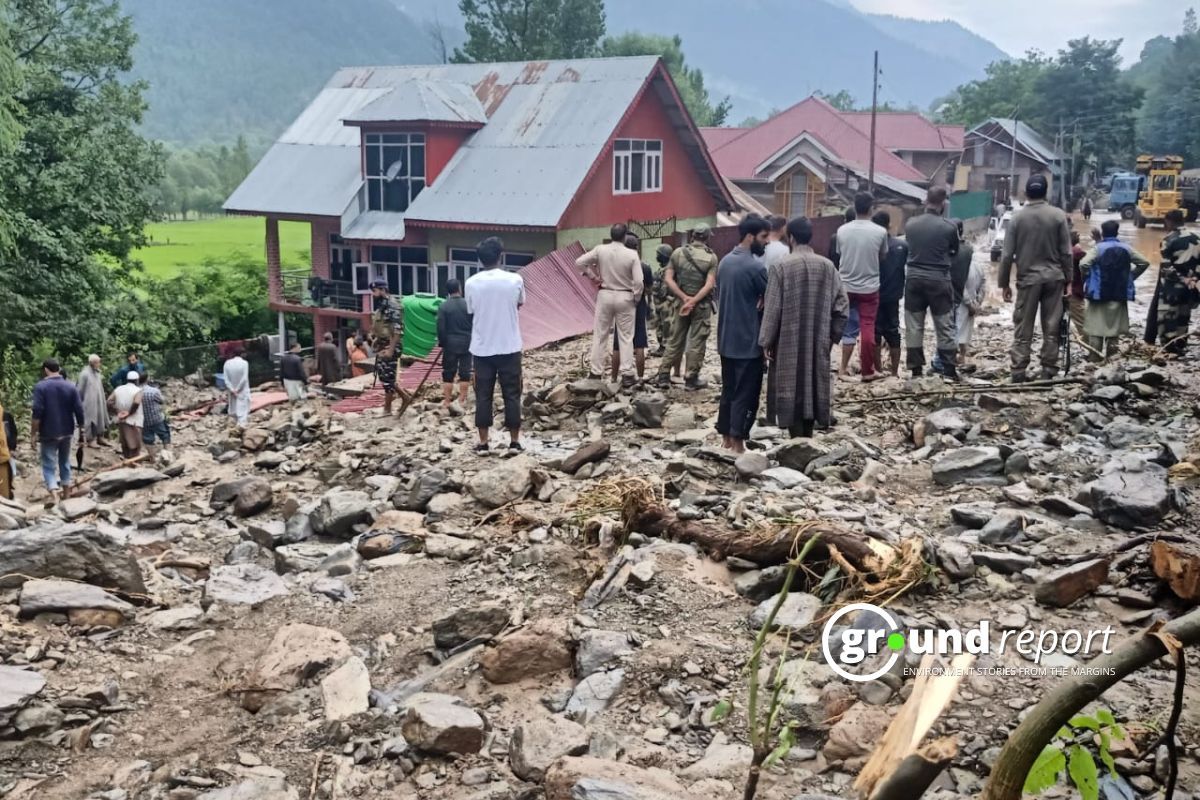
Major rice-producing regions in Asia and Africa will experience more frequent subseasonal precipitation whiplash events. These rapid swings between extremes can destroy crops, cause soil erosion, and trigger landslides when heavy rains follow prolonged dry periods that have made soil hard and less absorbent.
The study projects that by the late 21st century, central and northern Africa, Southeast and East Asia, the equatorial Pacific Ocean, and even Arctic regions including Greenland and Canada will face heightened risks of these extreme weather transitions. The tropical and subtropical regions show the clearest alignment between increased rainfall variability and monsoon-related weather patterns.
Eastern China, central and northern Africa, and the tropical Pacific will favor more wet-to-dry extremes. The western North Pacific, eastern equatorial Pacific, and coastal areas will see increased dry-to-wet events. The Indian Peninsula, Indochina, southern China, the Philippines, and the western North Pacific face elevated risks of rapid transitions from severe drought to flooding.
Preparing for the New Reality
The research team emphasized that communities and governments must begin preparing now for these changes. Strengthening weather forecasting systems becomes crucial for staying ahead of faster-moving weather patterns. With systems traveling at double their current speed, the time available for disaster response will be cut in half.
Urban infrastructure must adapt to handle more intense rainfall and longer dry periods. Water management, energy systems, and food production all need redesigning to withstand greater climate variability. The ability to detect and respond to climate-related diseases must improve as changing rainfall patterns create new conditions for disease spread.
Scientists used the most advanced climate models available, known as CMIP6, to ensure their projections are as accurate as possible. They carefully selected the 12 best-performing models based on how well they reproduce current monsoon behaviors. This rigorous approach strengthens confidence in the findings.
The study’s clear message is that without rapid reductions in greenhouse gas emissions, future generations will face monsoons that threaten rather than sustain life. The window for preventing the worst outcomes remains open, but action must begin immediately.
Governments and private sector leaders need this information to make informed decisions about long-term planning and policy. The research provides a roadmap for understanding coming challenges, but translating that knowledge into protective action requires coordinated effort across society.
The monsoon systems that have supported civilizations for millennia stand at a crossroads. The choices made in the coming years will determine whether these vital weather patterns continue nourishing life or become sources of recurring disaster.
Support us to keep independent environmental journalism alive in India.
Keep Reading
Small Wild Cats in Big Trouble: India’s First National Report Released
After Tragedy, Families Face Delays in Tiger Attack Compensation
Stay connected with Ground Report for underreported environmental stories.