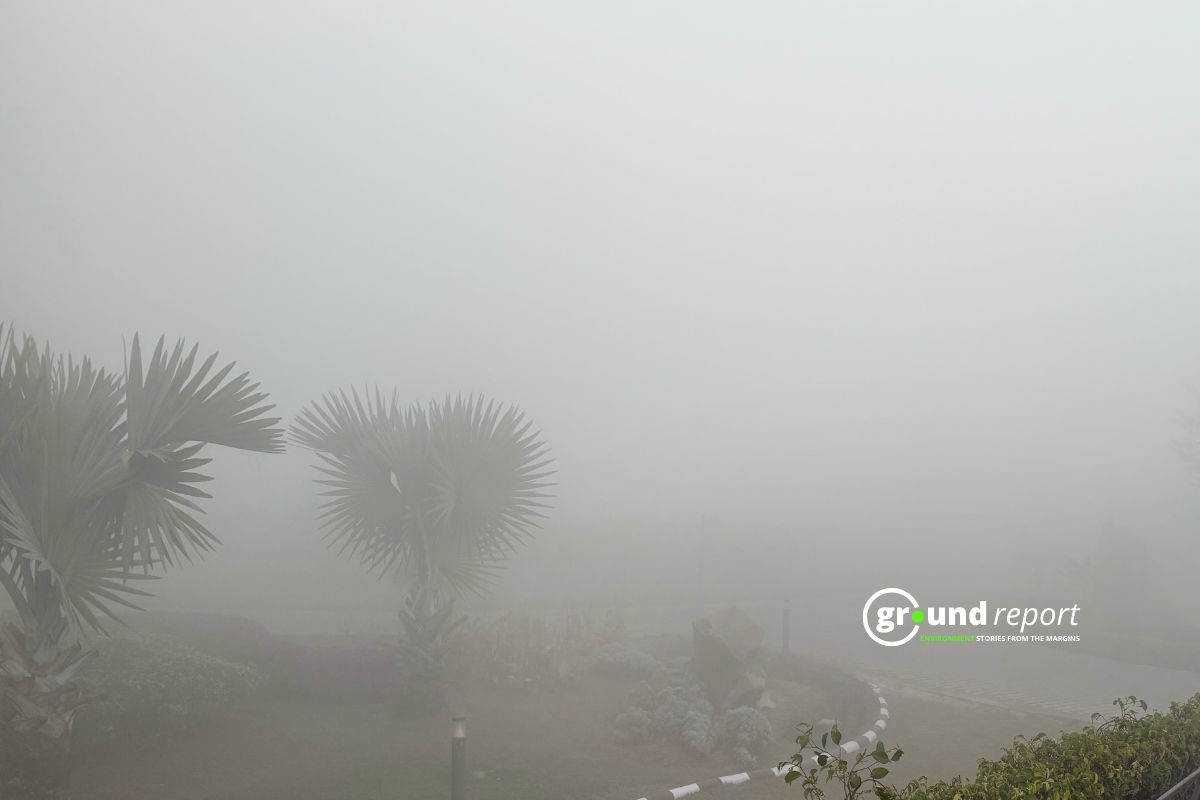
Authorities in Delhi and the National Capital Region activated the highest level of pollution emergency measures on December 13, 2025. The Air Quality Index reached 441 by 6 PM, pushing air quality into the hazardous “severe plus” category. The Commission for Air Quality Management invoked GRAP-IV restrictions across the entire region to prevent further deterioration. These emergency measures affect millions of residents through school closures, construction bans, and office capacity limits.
The decision came after an emergency meeting by the Sub-Committee of the Graded Response Action Plan. Unfavorable weather conditions trapped pollutants near the ground, making the air dangerous to breathe.
What is GRAP-IV?
The Graded Response Action Plan (GRAP-IV) is a four-stage emergency framework for fighting air pollution. The Supreme Court approved GRAP in 2016 after Delhi’s air quality repeatedly reached dangerous levels. The Commission for Air Quality Management now oversees how governments implement this plan.
Each stage links directly to Air Quality Index readings. As pollution worsens, stricter measures kick in automatically. Governments in Delhi-NCR must follow these rules when air quality hits specific thresholds.
“Today, Delhi’s daily average AQI clocked 431 at 4 PM, as per the Daily AQI Bulletin by Central Pollution Control Board, which further rose to 441 today at 6 PM,” the Press Information Bureau stated in its official release.
How Stages Work
GRAP has four distinct stages. Stage I starts when air quality becomes “poor” with an AQI between 201 and 300. These are basic preventive measures.
Stage II activates during “very poor” conditions when the AQI reaches 301 to 400. Restrictions become more serious. Stage III applies when pollution turns “severe” with an AQI of 401 to 450.
Stage IV represents the emergency level. It triggers when the AQI crosses 450 into “severe plus” territory. This stage brings the strictest controls.
| GRAP Stage | Air Quality | AQI Range | Action Level |
|---|---|---|---|
| Stage I | Poor | 201-300 | Basic measures |
| Stage II | Very Poor | 301-400 | Enhanced restrictions |
| Stage III | Severe | 401-450 | Strict controls |
| Stage IV | Severe Plus | Above 450 | Emergency measures |
Delhi’s Air Quality Crisis
Out of 39 monitoring stations across Delhi, 38 recorded air quality above 400 at 11 AM. Only one station stayed below this critical threshold. Rohini recorded the highest reading at 499, while Shadipur showed the lowest at 388.
The Central Pollution Control Board tracks air quality through stations spread across the capital. These readings show how widespread the pollution crisis has become.
| Station Name | AQI Reading | Station Name | AQI Reading |
|---|---|---|---|
| Alipur | 434 | Anand Vihar | 491 |
| Ashok Vihar | 493 | Aya Nagar | 440 |
| Bawana | 489 | Burari Crossing | 466 |
| CRRI Mathura Road | 441 | Chandni Chowk | 451 |
| DTU | 484 | Dr Karni Singh Shooting Range | 474 |
| Dwarka Sector 8 | 452 | IGI Airport (T3) | 406 |
| IHBAS, Dilshad Garden | 447 | IIT Delhi | 416 |
| ITO | 480 | Jahangirpuri | 494 |
| Jawaharlal Nehru Stadium | 461 | Lodhi Road | 401 |
| Major Dhyan Chand National Stadium | 450 | Mandir Marg | 412 |
| Mundka | 484 | NSIT Dwarka | 411 |
| Najafgarh | 410 | Narela | 480 |
| Nehru Nagar | 479 | North Campus, DU | 480 |
| Okhla Phase-2 | 475 | Patparganj | 480 |
| Punjabi Bagh | 469 | Pusa (Station 1) | 432 |
| Pusa (Station 2) | 445 | R K Puram | 471 |
| Rohini | 499 | Shadipur | 388 |
| Sirifort | 475 | Sonia Vihar | 483 |
| Sri Aurobindo Marg | 417 | Vivek Vihar | 495 |
| Wazirpur | 493 |
Current Emergency Measures
Delhi-NCR governments now enforce multiple restrictions. BS-IV diesel trucks cannot enter Delhi unless they carry essential goods or provide critical services. This cuts vehicle emissions immediately.
All construction and demolition work has stopped. The ban covers highways, roads, flyovers, power lines, pipelines, and telecom projects. Construction creates dust that makes air quality worse.
Schools have moved to hybrid learning. Students in Classes VI through IX and Class XI now attend classes partly online. This protects children from breathing toxic air during commutes.
“Keeping in view the prevailing trend of air quality and in an effort to prevent further deterioration of air quality in the region, the Sub-Committee today has taken the call to invoke all actions as envisaged under Stage-IV of extant GRAP,” the Press Information Bureau added.
Public sector offices, municipal buildings, and private companies can only operate at 50 percent capacity. The remaining staff must work from home. This reduces the number of people commuting during peak pollution hours.
The measure affects millions of office workers across Delhi-NCR. Companies must quickly arrange remote work setups. Managers need to decide which employees come to offices and which stay home.
Why December Brings Worse Air
Winter months typically bring the worst air quality to Delhi-NCR. Cold air traps pollution near the ground instead of letting it disperse. Low wind speeds mean pollutants stay concentrated over the city.
Temperature inversions create a lid that holds smog down. This happens when warm air sits above cold air near the surface. Pollutants cannot rise and escape.
Farmers in neighboring states burn crop stubble after harvest. The smoke travels to Delhi and adds to local pollution sources. Vehicle emissions, industrial activity, and construction dust combine to create toxic air.
When Restrictions End
GRAP-IV measures remain until air quality improves consistently. The commission monitors pollution levels every hour. When the AQI drops below 450 and stays there, authorities can shift to Stage III measures.
Weather forecasts guide these decisions. If wind speeds increase or rain falls, pollution may clear faster. If conditions stay stagnant, restrictions continue longer.
The commission balances public health against economic impacts. Every day under Stage IV restrictions costs businesses money and workers their wages. Officials aim to lift measures as soon as safely possible.
Previous GRAP-IV activations have lasted from a few days to several weeks. The duration depends entirely on weather patterns and pollution levels. Residents must prepare for extended disruptions during winter months when air quality typically stays poor longer.
Support us to keep independent environmental journalism alive in India.
Keep Reading
Small Wild Cats in Big Trouble: India’s First National Report Released
After Tragedy, Families Face Delays in Tiger Attack Compensation
Stay connected with Ground Report for underreported environmental stories.