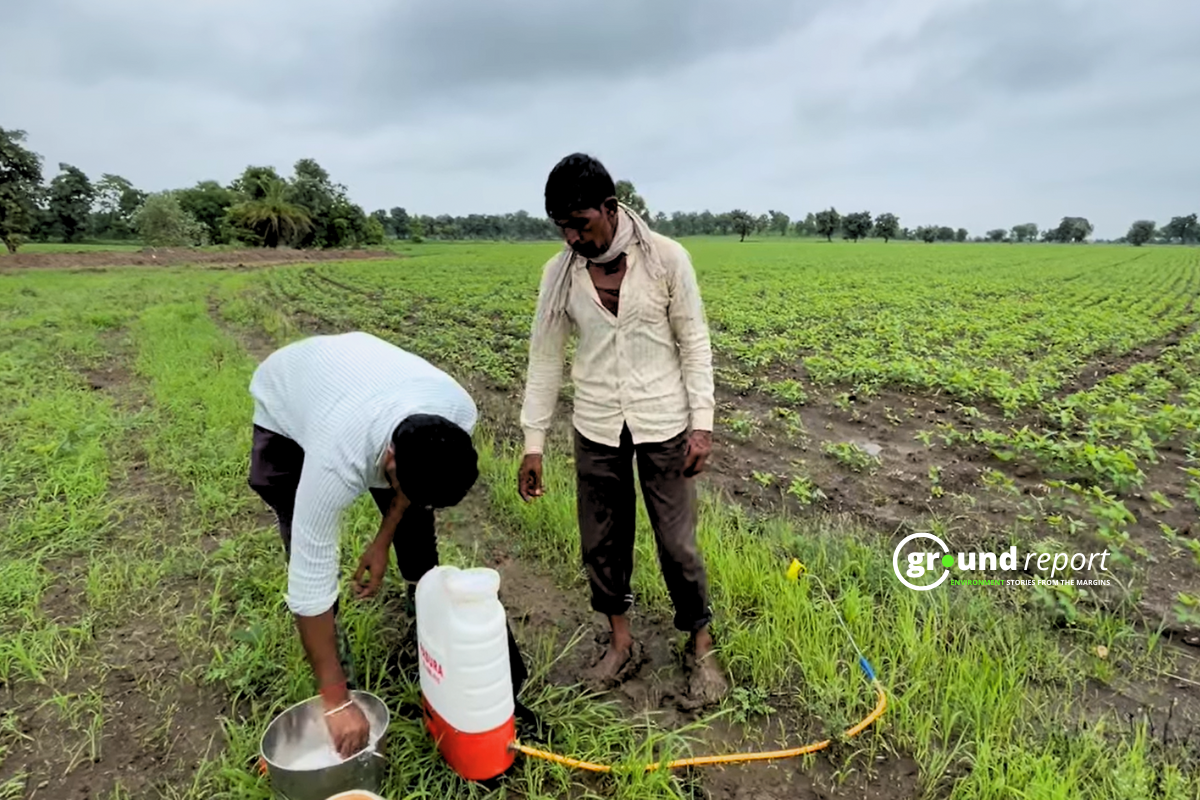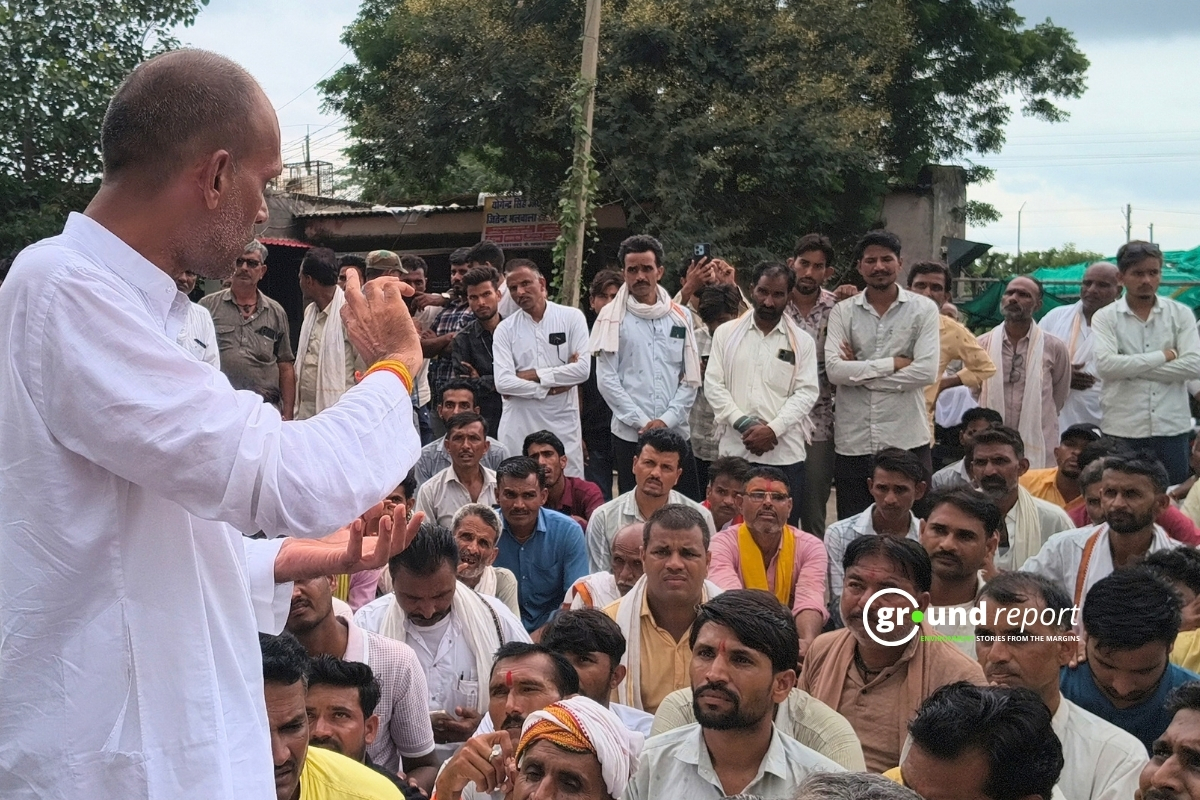
A question raised in the Lok Sabha on December 12, 2025, brought attention to a growing agricultural crisis. Narayandas Ahirwar asked whether excessive chemical fertilizers use is damaging soil health, environment, and water resources across India.
Excessive use of chemical fertilizers is harming soil health, polluting water resources, and increasing greenhouse gas emissions across India. The Indian Council of Agricultural Research has confirmed through long-term experiments that imbalanced fertilizer application, particularly without adequate organic matter, is deteriorating agricultural land quality nationwide.
The problem centers on farmers applying too much nitrogen, phosphorus, and potassium without maintaining soil organic content. This practice leads to declining soil organic carbon, micronutrient deficiencies, and increased soil acidity. Water pollution occurs through nutrient runoff and leaching, causing nitrate contamination and eutrophication of water bodies. The practice also releases nitrous oxide, a potent greenhouse gas contributing to climate change.
How Government Addresses Soil Health Crisis
The government launched the Soil Health and Fertility Scheme in 2014-15 to tackle these issues. The program provides Soil Health Cards to all farm holdings and promotes balanced nutrient management for improving productivity while protecting soil fertility.
Since 2014-15, authorities have generated and distributed 25.61 crore Soil Health Cards across the country. These cards help farmers understand their soil composition and apply fertilizers accordingly. The program conducts diagnostic soil health assessments periodically, issuing updated cards at least once every three years.
| Soil Testing Infrastructure | Number Established |
|---|---|
| Static Soil Testing Labs | 1,082 |
| Mobile Soil Testing Labs | 163 |
| Mini Soil Testing Labs | 6,376 |
| Village Level Soil Testing Labs | 681 |
| School Mini Soil Labs | 1,020 |
| Total Labs | 8,302 |
The government has established 8,302 soil testing labs across India. This includes 1,082 static labs, 163 mobile labs, 6,376 mini labs, and 681 village-level labs. Additionally, 1,020 school mini soil labs operate under the school soil health program. The scheme has received Rs 1,970 crore in funding since inception.
Minister of State in the Ministry of Chemicals and Fertilizers Anupriya Patel confirmed that the program has organized 93,781 farmer training sessions, 6.80 lakh demonstrations, and 7,425 farmer melas and campaigns on soil health card recommendations across the country.
What Soil Health Cards Actually Measure
Soil samples get processed using standard procedures and analyzed for multiple parameters. Labs test for pH levels, electrical conductivity, and organic carbon content. They measure available nitrogen, phosphorus, potassium, and sulfur. Testing also covers five essential micronutrients: zinc, copper, iron, manganese, and boron.
The Indian Council of Agricultural Research provides technical support for promoting integrated nutrient management. This approach combines balanced NPK use with farmyard manure, compost, green manures, and biofertilizers. The government encourages soil test-based fertilizer application through the Soil Health Card scheme.
Authorities promote site-specific nutrient management and neem-coated urea to improve nitrogen use efficiency. The push includes organic and natural farming methods, conservation agriculture practices, and use of customized or slow-release fertilizers. The 4R nutrient stewardship principle guides applications: right source, right dose, right time, and right method.
How India Reduces Fertilizer Import Dependence
The government announced the New Investment Policy for urea in January 2013 with amendments in October 2014. This policy aimed to facilitate fresh investment in the urea sector and make India self-sufficient in urea production.
Six new urea units have been established under this policy. Four units operate through joint venture companies of nominated public sector undertakings. Two units were set up by private companies. Each unit has an installed capacity of 12.7 lakh metric tonnes per annum.
| New Urea Units Under NIP-2012 | Location | Company |
|---|---|---|
| Ramagundam | Telangana | RFCL (JVC) |
| Gorakhpur | Uttar Pradesh | HURL (JVC) |
| Sindri | Jharkhand | HURL (JVC) |
| Barauni | Bihar | HURL (JVC) |
| Panagarh | West Bengal | Matix (Private) |
| Gadepan-III | Rajasthan | CFCL (Private) |
These units added 76.2 lakh metric tonnes of annual production capacity. Total indigenous urea production capacity increased from 207.54 lakh metric tonnes in 2014-15 to 283.74 lakh metric tonnes in 2023-24. The units use latest technology making them highly energy efficient.
The government notified the New Urea Policy in May 2015 for existing 25 gas-based urea units. One objective was maximizing indigenous urea production beyond reassessed capacity. This policy led to additional production of 20-25 lakh metric tonnes annually compared to 2014-15 levels.
Combined measures increased urea production from 225 lakh metric tonnes annually in 2014-15 to 306.67 lakh metric tonnes in 2024-25. This represents a 36 percent increase in domestic production over the decade.
New Projects Expand Production Capacity
The Union Cabinet recently approved a proposal for setting up a new brownfield ammonia-urea complex. This facility will have 12.7 lakh metric tonnes annual urea production capacity. It will be built within existing premises of Brahmaputra Valley Fertilizer Corporation Limited at Namrup, Assam.
The government also approved an exclusive policy for reviving the Talcher unit through a joint venture called Talcher Fertilizers Limited. This involves setting up a greenfield urea plant with 12.7 lakh metric tonnes annual capacity using coal gasification technology.
How Phosphatic and Potassic Fertilizer Policy Works
The government implemented the Nutrient Based Subsidy Scheme from April 2010 for phosphatic and potassic fertilizers. Under this scheme, these fertilizers are covered under Open General License. Companies import or manufacture them according to their business dynamics.
The government recognizes new manufacturing units or capacity increases of existing units under the NBS Scheme based on requests. The number of fertilizer grades covered under NBS policy increased from 22 grades in 2021 to 28 grades currently.
Authorities approved freight subsidy on single super phosphate since Kharif season 2022. SSP is an indigenously manufactured fertilizer. The subsidy promotes SSP usage for providing phosphatic nutrient to soil.
What Prevents Subsidy System Misuse
The government implements Direct Benefit Transfer in fertilizers to prevent subsidy misuse. Subsidy gets paid to fertilizer companies on weekly basis through DBT bills only after Aadhaar authentication based sale to buyers through Point of Sale machines installed at retailer level.
The Integrated Fertilizer Management System monitors movement of subsidized fertilizers from port or plant to PoS machines throughout the country. This online web-based system launched in 2016 covers all functionalities in the fertilizer supply chain. It maintains fertilizer movement and sale data accurately in a secured manner.
How Government Ensures Timely Fertilizer Availability
Before each cropping season starts, the Department of Agriculture and Farmers Welfare assesses state-wise and month-wise fertilizer requirements. This assessment happens in consultation with all state governments.
Based on projected requirements, the Department of Fertilizers allocates adequate quantities to states by issuing monthly supply plans. Continuous monitoring ensures availability. The integrated Fertilizer Monitoring System tracks movement of all major subsidized fertilizers throughout the country.
State governments receive regular advice to coordinate with manufacturers and importers for streamlining supplies through timely placement of indents. Regular coordination meetings occur with the Ministry of Railways for providing sufficient rakes with priority to fertilizers for timely evacuation to states. Distribution of fertilizers within states at district level is handled by concerned state governments.
Support us to keep independent environmental journalism alive in India.
Keep Reading
Small Wild Cats in Big Trouble: India’s First National Report Released
After Tragedy, Families Face Delays in Tiger Attack Compensation
Stay connected with Ground Report for underreported environmental stories.