Kashmir is entering a deeper phase of winter as temperatures continue to fall, and the weather remains cold and dry over Dal Lake. Morning scenes from Dal Lake show shikaras moving through misty water while the cold wave remains steady. The meteorological department said on Tuesday that the weather is expected to stay dry for the coming week, but a stronger shift is likely to begin from December.
La Niña Pattern Signals Colder January
In its statement, the department said climate patterns linked to La Niña are likely to push temperatures below the normal range this season. It noted that night temperatures may fall below freezing more often than usual. The department said, “Chillai Kalan (late December to late January) is likely to feel harsher and more biting this year.”
The department also said Western Disturbances usually strengthen during La Niña years. Early snowfall in December is likely in higher reaches. It said, “Snow spells may occur more frequently through January and February, and even the plains could receive more snow compared to a normal year.”
Officials warned that frost may appear earlier and last longer. They said, “This can lead to frequent icy mornings, frozen water pipes, and extended periods of black ice on roads.” The forecast notes that the season may bring strong snowfall in some weeks and remain dry in others. The department said that changes in intensity are normal and will continue to shift.
Advisory issued
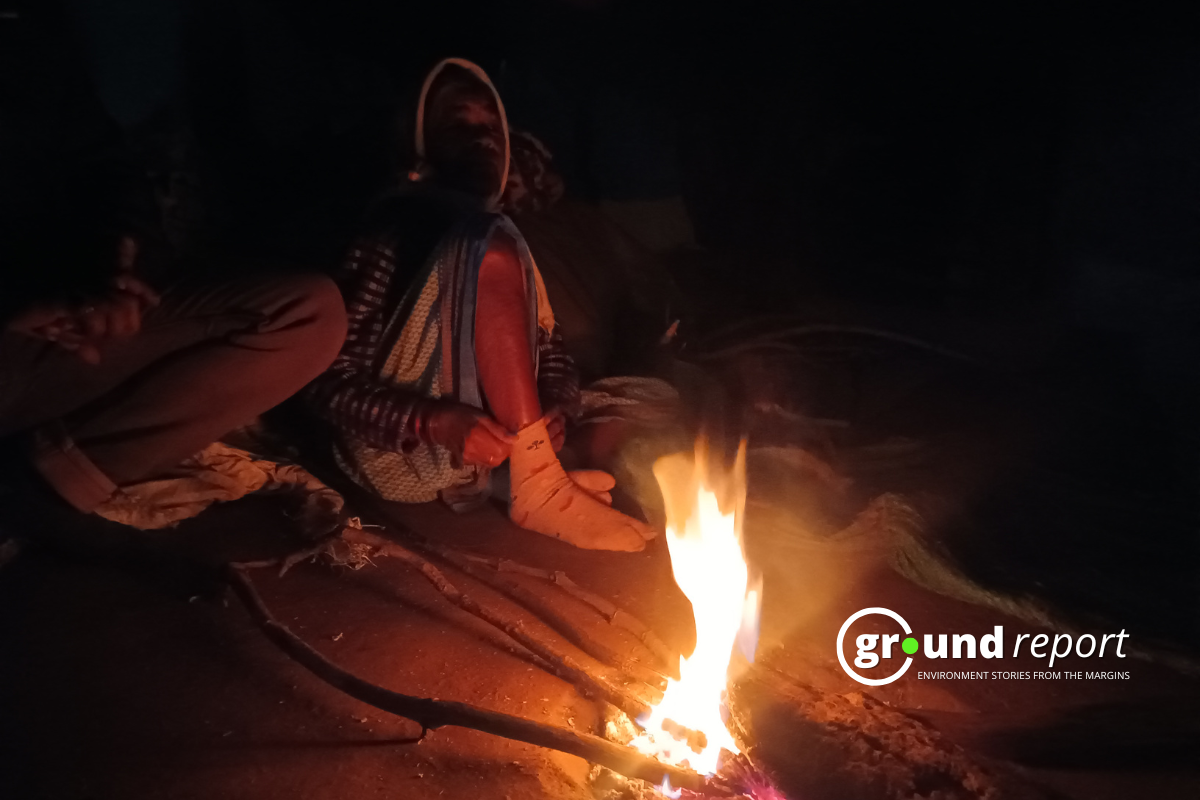
In an advisory issued for residents, officials asked households to check heating devices and chimney systems before night temperatures drop further. People who depend on firewood or fuel were advised to store it on time. The department said, “Stock up on fuel or firewood if you depend on it,” adding that residents should also keep essential supplies ready in case of a power cut during a snowfall spell.
As the cold wave continues, public hospitals and clinics are seeing an increase in respiratory complaints. Doctors report that more than ten per cent of daily cases now involve cough, fever, throat irritation and related infections. Dr Zahoor Ahmad Mir of the district hospital in south Kashmir said the shift in temperature is directly linked to the rise in cases. He said, “Dry and cold conditions cause viruses to survive longer, and the throat and nasal passages lose moisture, making people more susceptible to infections.”
Dr Mir said most cases are mild but added that the older people, infants and people with existing health conditions face a higher risk of complications. Another doctor, Dr Yasir Ahmad Shah, said indoor settings with limited ventilation are adding to the spread. He said, “In many hospitals, over one-tenth of our daily patients are coming with cold, cough, mild fever, sinus issues or throat infections.”
Dr Shah said heating devices such as bukharis and gas heaters release smoke that can irritate the throat and airways. He said vitamin D deficiency caused by limited sunlight exposure also weakens immunity in winter months. He added, “We see many cases where throat irritation and persistent cough start due to smoke exposure and later turn into full-fledged infections.”
Health officials said the number of winter infections may increase if the cold and dry pattern continues. They urged people to seek care when symptoms persist and avoid self-medication. A senior doctor said, “Such spikes are common during dry winters. People must remain cautious because these infections spread rapidly in closed spaces.”
Decline in night temperatures
| City | Temperature (°C) | Forecast |
|---|---|---|
| Srinagar | 2 | Dry, cold nights |
| Gulmarg | -4 | Frost and icy paths |
| Pahalgam | -3 | Cold with clear sky |
| Kupwara | 1 | Morning fog expected |
| Anantnag | 3 | Dry cold wave continues |
Support us to keep independent environmental journalism alive in India.
Keep Reading
Small Wild Cats in Big Trouble: India’s First National Report Released
After Tragedy, Families Face Delays in Tiger Attack Compensation
Stay connected with Ground Report for underreported environmental stories.