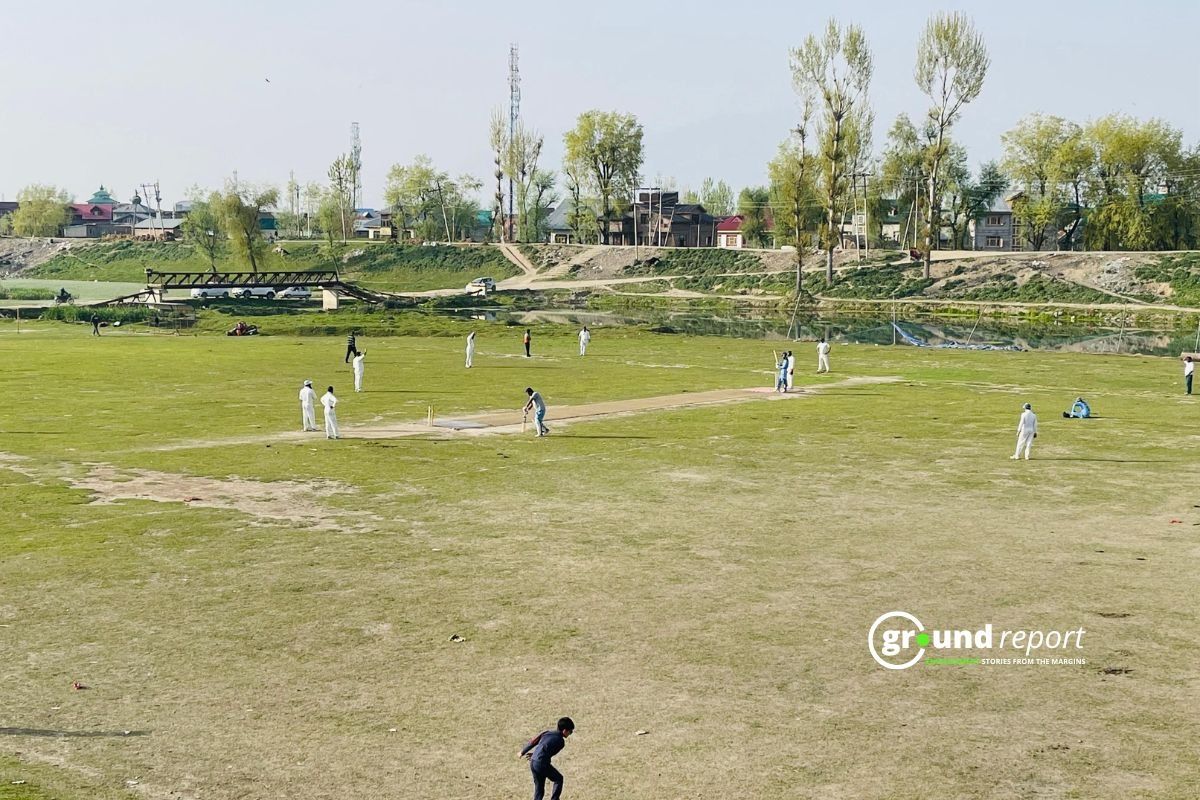
Cricket’s first Test match was played between Australia and England in 1877.
The next Ashes match, starting at the Gabba in Brisbane on Thursday, will be Test number 2,611.
It will also be the 25th day-night Test.
Many people criticised the introduction of day-night Tests – including challenges posted by the pink ball (not red, as used in day clashes), visibility issues during twilight, and concerns that cricket is putting commercial interests ahead of the sport’s integrity.
But just how are day-night Tests different from traditional day matches?
History of day-night Tests
Australia and New Zealand played the first official day-night Test at the Adelaide Oval in 2015.
Day-night matches were introduced to increase the popularity of Test cricket and to play it at a time when it could attract larger crowds and a greater primetime audience on television.
From a commercial angle, the move has worked. Evening sessions draw larger crowds and television audiences.
Australia has embraced day-night Tests more than any other country, playing in 14 of the 24 completed day-night Tests. England is next with seven.
Australia has also hosted 13 of the day-night Tests, eight of them in Adelaide. India is next with three.
Cricket Australia and various state governments negotiate summer schedules and venues, with only Adelaide, Brisbane and Hobart hosting day-night Tests so far.
Australian dominance
The Australian team’s familiarity with day-night cricket may partly explain its outstanding record of 13 wins and one loss.
In contrast, England has only won two of its seven day-night Tests, losing all three against Australia.
Familiarity and more opportunities have contributed to Australian dominance of day-night Tests. The top four leading wicket-takers in day-night Tests are Australian.
Mitchell Starc leads (81 wickets in 14 Tests) while the best by an English player is the now-retired James Anderson with 24 wickets in seven Tests.
Australia also has the top five run scorers in day-night Tests.
Marnus Labuschagne (958 runs in nine Tests) is the current leader and has the chance to be the first player to score 1,000 runs in day-night encounters. Joe Root (501 runs in seven games) is the top Englishman at sixth on the list.
How things change under lights
Day-night games have several key differences to day Tests, such as the ball, the conditions and tactics used.
To make day-night Tests work, manufacturers had to develop a ball that’s visible under floodlights, yet durable enough for Test conditions.
Traditional red balls are too difficult to see at night, whereas white balls (used in shorter cricket formats) become dirty and discoloured too quickly.
After years of experimentation with orange and yellow versions, the pink ball emerged as the best compromise. It was trialled in domestic competitions and one-day internationals before being used in Tests.
Batting and bowling under lights is very different from daytime play because the pink ball behaves differently.
Its thicker coating keeps it shiny for longer, which gives fast bowlers more swing and seam movement.
This is most obvious when the ball is new and also during the twilight session, when dew can add extra moisture to the pitch.
Additionally, more grass is often left on the pitch to help reduce damage to the ball.
This all makes life more difficult for batters.
Spinners, though, often struggle because the ball’s harder coating and extra dew reduce grip and turn.
Players have also spoken about the difficulty of adjusting their eyes as daylight fades and floodlights take over. Fielders can also lose sight of the ball against the dusky sky.
In day Tests, the average runs per wicket increases slightly from session one to session three, with scoring rates also increasing slightly across the day. This pattern suggests batting becomes easier as the ball softens and the pitch flattens, while bowlers tire and conditions remain stable across daylight hours.
In contrast, session two is the easiest to bat in during day-night Tests. Batting is much harder in session one (when the ball is often new) and in session three under lights.
Pink ball scoring rates are similar to daytime matches but bowlers strike more often.
What about tactics?
Teams have learned to plan around the evening session (session three), when the fading light and cooling air can make batting harder.
Captains often time their declarations or new-ball spells to coincide with the twilight period and choose to bat first.
Fast bowlers in particular relish the chance to attack under lights and many batters say adapting footwork and timing against the moving pink ball is more difficult.
Comparing results
In short, day-night Tests are harder for batters. Fewer runs are scored, wickets fall more quickly, and games generally finish earlier.
When comparing all Tests from the past ten years, teams in day-night matches score about 150 fewer runs per game and bowlers need ten fewer balls to take each wicket.
Day-night Tests also tend to end with a result sooner, with matches on average being around 50 overs shorter. Notably, none of the 24 day-night Tests played so far has ended in a draw, compared with 14% of day Tests.
Thursday’s second Ashes Test at the Gabba will be the fourth day-night Test at the Queensland ground.
The Australians lost the previous day-night Gabba Test, to the West Indies last summer, which will give England some hope after their disastrous loss in the opening Ashes clash in Perth.
This article is republished from The Conversation. It was written by: Vaughan Cruickshank, University of Tasmania; Brendon Hyndman, Charles Sturt University, and Tom Hartley, University of Tasmania
Support us to keep independent environmental journalism alive in India.
Keep Reading
Small Wild Cats in Big Trouble: India’s First National Report Released
After Tragedy, Families Face Delays in Tiger Attack Compensation
Stay connected with Ground Report for underreported environmental stories.