A new contract will supply about 10 percent of India’s LPG imports from the US in 2026, shaping both energy strategy and trade negotiations.
India has finalised its first structured contract to import liquefied petroleum gas from the United States. The one-year deal, announced on November 17, marks a shift in India’s energy sourcing strategy and comes at a sensitive stage in ongoing trade negotiations with Washington.
A New Supply Route for India
Petroleum Minister Hardeep Singh Puri said the agreement opens a new supply channel for one of the world’s fastest-growing LPG markets. “In our endeavour to provide secure affordable supplies of LPG to the people of India, we have been diversifying our LPG sourcing,” he said in a post on X. He called the deal a “historic first.”
Under the agreement, state-run refiners Indian Oil Corporation, Bharat Petroleum Corporation, and Hindustan Petroleum Corporation will jointly import about 2.2 million tonnes of LPG in 2026. This represents close to 10 percent of India’s annual LPG imports. The companies awarded the contract to Chevron, Phillips 66, and TotalEnergies Trading. The commercial terms have not been disclosed.
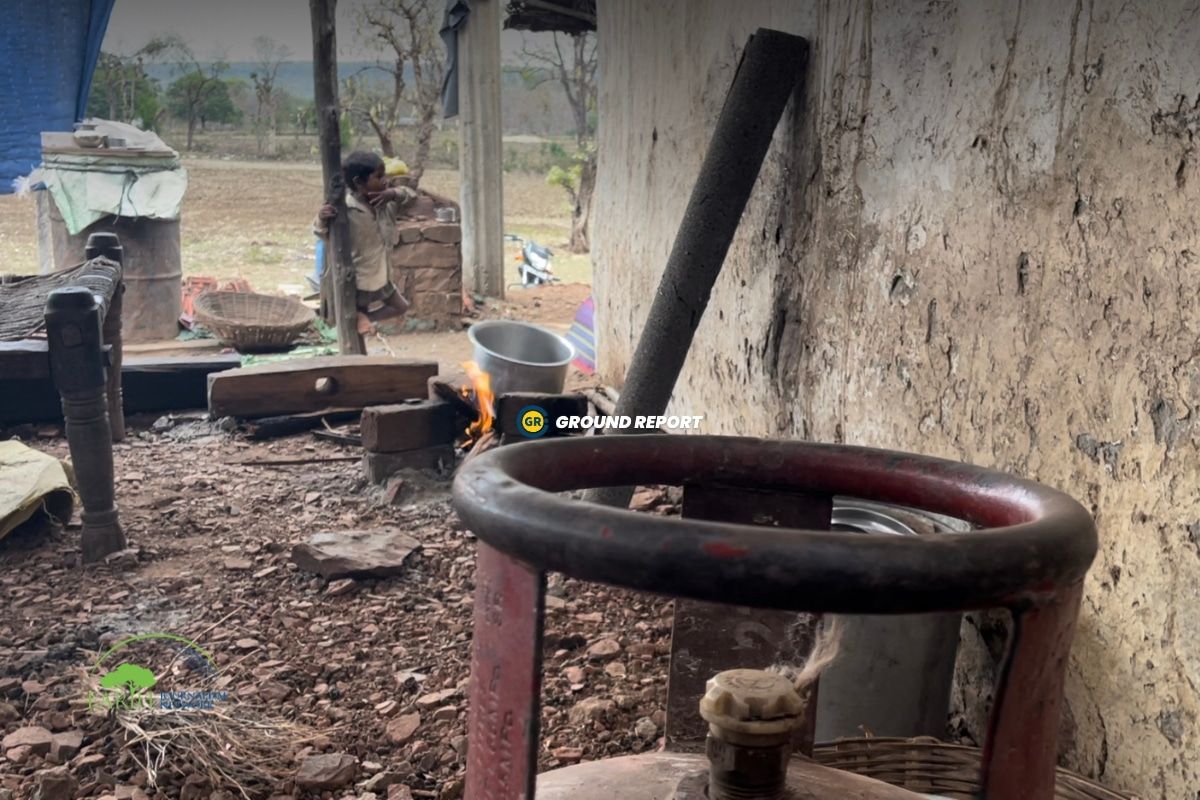
India currently meets more than 60 percent of its LPG requirements through imports, mainly from Saudi Arabia, the United Arab Emirates, Qatar, and Kuwait. LPG is widely used as a cooking fuel, and the government subsidises household purchases under the Pradhan Mantri Ujjwala Yojana. The programme has expanded LPG access for poor and rural families and reduced the use of traditional biomass fuels.
The US deal fits into New Delhi’s plan to diversify energy imports and secure better prices. It also carries weight in the context of trade negotiations with Washington. India is seeking to narrow its trade surplus with the US after a period of tariff disputes. The United States imposed a combined 50 percent tariff on most Indian goods after India increased Russian oil purchases. Both sides have since resumed talks.
Link to Trade Negotiations
Officials familiar with the negotiations say India may increase energy imports from the US as part of a wider agreement. Indian refiners have already raised crude oil purchases from the US in recent months, signalling New Delhi’s willingness to expand American energy imports. During Prime Minister Narendra Modi’s visit to Washington earlier this year, US President Donald Trump said both countries were taking steps to make the United States “a leading supplier of oil and gas to India.”
Commerce Minister Piyush Goyal said last week that India seeks a deal that is “fair, equitable and balanced.” He noted that energy cooperation will remain central to India-US ties, given India’s heavy import needs. India imports around 88 percent of its crude oil and about half of its natural gas. The US is India’s fifth-largest crude supplier and the second-largest supplier of liquefied natural gas.
The new LPG deal follows a year of volatile global prices. Puri said the government shielded low-income households from the impact. “Even as global prices soared by over 60 percent last year, Modiji ensured that our Ujjwala consumers continued to receive LPG cylinders at just ₹500-550,” he said. He added that the government spent more than ₹40,000 crore on subsidies to absorb the price surge.
As trade talks continue, the new LPG contract signals growing energy cooperation between India and the United States. It also marks a shift in India’s fuel sourcing pattern as it looks beyond traditional suppliers in West Asia.
Support us to keep independent environmental journalism alive in India.
Keep Reading
Small Wild Cats in Big Trouble: India’s First National Report Released
After Tragedy, Families Face Delays in Tiger Attack Compensation
Stay connected with Ground Report for underreported environmental stories.
Follow us onX, Instagram, and Facebook; share your thoughts at greport2018@gmail.com; subscribe to our weekly newsletter for deep dives from the margins; join our WhatsApp community for real-time updates; and catch our video reports on YouTube.
Your support amplifies voices too often overlooked, thank you for being part of the movement.