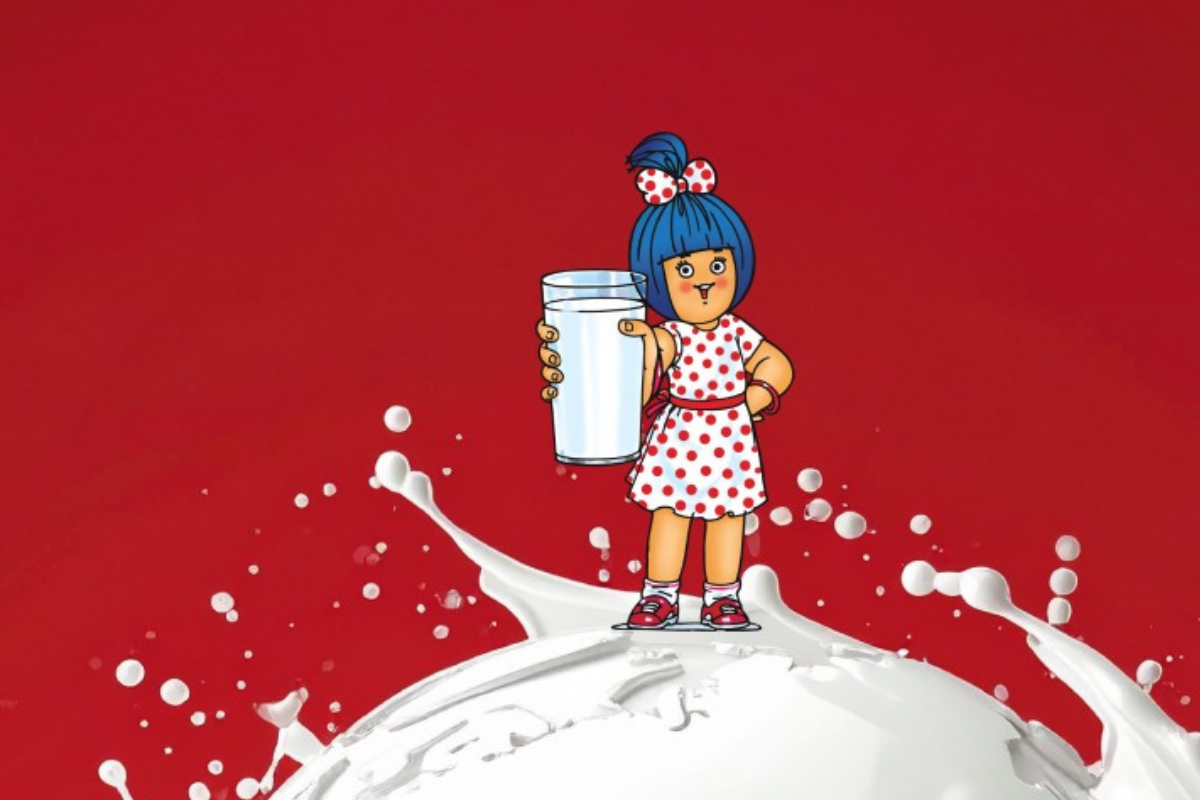
In a significant global recognition, the Gujarat Cooperative Milk Marketing Federation (GCMMF), popularly known as Amul, has been ranked as the world’s No. 1 cooperative by the International Cooperative Alliance (ICA) in its World Cooperative Monitor 2025 report. This marks a milestone in Amul’s journey, underscoring it as a beacon of cooperative success, rural empowerment, and inclusive growth on the international stage.
The announcement was made at the ICA CM50 Conference held in Doha, Qatar, coinciding with the culmination of the United Nations’ International Year of Cooperatives 2025. The annual ICA World Cooperative Monitor ranks cooperatives worldwide based on various parameters including turnover, employment, member economic participation, and their impact on sustainable development. Amul’s top ranking is attributed to its remarkable GDP per capita performance among cooperatives globally, reflecting its expanding economic footprint and social impact.
Founded in 1946 and headquartered in Anand, Gujarat, Amul’s unique three-tier cooperative structure connects more than 3.6 million milk producers predominantly smallholder rural farmers to national and international markets. This model has revolutionized India’s dairy industry, transforming subsistence farmers into empowered entrepreneurs while ensuring remunerative prices and a consistent income stream for its members.
The recognition of Amul by the ICA also highlights the growing prominence of Indian cooperatives on the global stage. Alongside Amul, the Indian Farmers Fertiliser Cooperative Limited (IFFCO) secured the second spot in the ICA World Cooperative Monitor 2025 rankings, reflecting the strength and diversity of India’s cooperative sector.
This top global ranking is a testament to Amul’s commitment to its founding principles of farmer ownership and democratic governance. It underscores how cooperative enterprises can drive sustainable development, economic resilience, and social inclusion, aligning with the United Nations’ Sustainable Development Goals.
This story was produced with support from Internews’ Earth Journalism Network.
Support us to keep independent environmental journalism alive in India.